GLP-1 Nutrition · By Alon Laniado
Your protein needs at 35 are not the same as at 55. Here’s what the evidence says about adjusting your nutrition on Ozempic or Mounjaro as you get older.
Why does age matter for GLP-1 nutrition?
3-8%
Muscle lost per decade after 30
40%
Of GLP-1 weight loss can be lean mass
35-40g
Protein per meal needed after 50
What should you eat on GLP-1 in your 30s and 40s?
Protein target: 0.7-0.8g per pound
For a 180-pound person, that’s 126-144g daily. Spread across three meals, that’s roughly 40-48g per meal. This is enough to maintain muscle mass during GLP-1 weight loss at this age.
Strength training: 2-3x per week
Compound movements — squats, deadlifts, rows, presses. At this age, your recovery capacity supports moderate to high intensity. Building muscle now is an investment that pays off significantly after 50.
Establish tracking habits
Use this window to learn what balanced meals look like. Track your protein for a few weeks until you can estimate by sight. People who build these skills in their 30s-40s have much better outcomes long-term.
How do GLP-1 nutrition needs change after 50?
Protein target: 0.8-1.0g per pound
For a 160-pound person, that’s 128-160g daily. At 3 meals, each needs 43-53g of protein. This is genuinely hard with a suppressed appetite — protein shakes, Greek yogurt, and cottage cheese become essential tools.
Calcium and vitamin D are non-negotiable
Rapid weight loss on GLP-1 can reduce bone density. After 50, you need 1,200mg calcium and 1,000-2,000 IU vitamin D daily. Don’t rely on supplements alone — dairy, leafy greens, and fatty fish count too.
Distribute protein evenly across meals
Due to anabolic resistance, your body can’t efficiently use a single 80g protein meal. Three meals with 40-50g each triggers muscle protein synthesis three times per day instead of once. More on protein targets
What are the biggest nutrition mistakes for older GLP-1 users?
Eating too little overall
GLP-1 can suppress appetite so effectively that people over 50 end up eating 800-1,000 calories daily. At this level, muscle loss accelerates regardless of protein percentage. Minimum 1,200-1,400 calories is critical. More on muscle loss risk
Skipping strength training
Walking is great but doesn’t send the signal to preserve muscle. Resistance training is the only exercise modality that directly counters both sarcopenia and GLP-1 lean mass loss. Even 2 sessions per week makes a measurable difference. Strength training guide
Ignoring micronutrients
When you’re eating less food overall, every calorie needs to count. Calcium, vitamin D, B12, iron, and magnesium gaps are common in older GLP-1 users. A simple blood panel every 6 months can catch deficiencies early.
Not adjusting the dose conversation
If you’re losing more than 1-1.5% of body weight per week, the rate may be too aggressive — especially after 50. Talk to your doctor about titrating the dose to balance effective weight loss with muscle preservation.
How much protein do you really need at each age?
30s: 0.7-0.8g per pound
Muscle protein synthesis is still efficient. Focus on consistency — hitting 25-40g per meal across 3 meals. Recovery from training is quick. Build the foundation.
40s: 0.8g per pound
Anabolic resistance begins. You may notice slower recovery from workouts. Aim for 30-40g per meal minimum. This is the decade to lock in protein-first meal planning if you haven’t already.
50s: 0.8-1.0g per pound
Sarcopenia accelerates. Hormonal shifts (menopause, testosterone decline) compound the challenge. Each meal needs 35-45g of protein. Leucine-rich sources (whey, eggs, chicken) become especially important for triggering muscle synthesis.
60s+: 0.9-1.0g per pound
Maximum protein effort. At this age, every gram counts. Supplementing with whey or casein protein between meals can help bridge the gap when appetite is low. Resistance training is absolutely essential — without it, even optimal protein intake won’t fully prevent muscle loss.
What do high-protein meals actually look like?
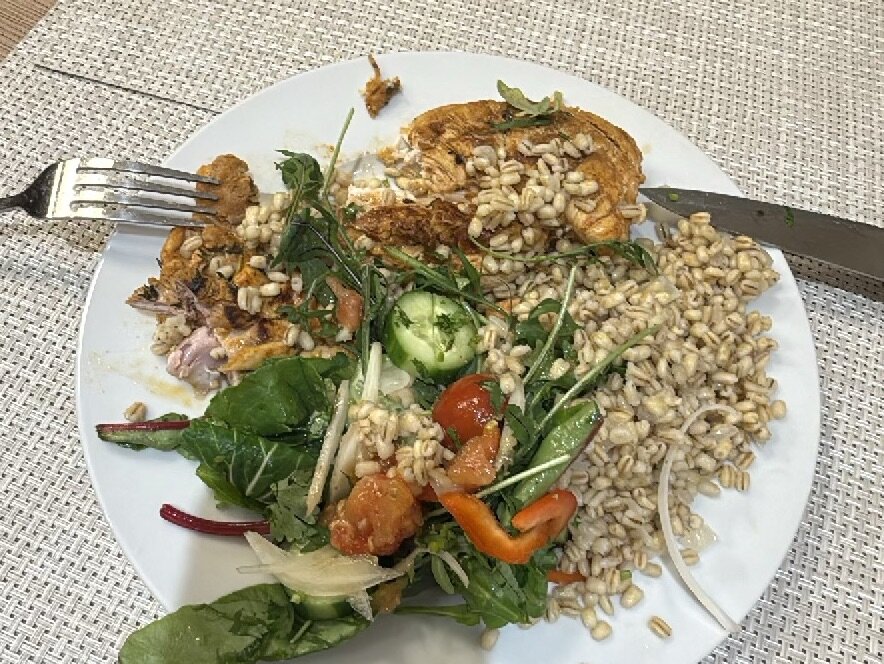
High protein dinner Grilled Chicken, Barley & Salad · 36g protein · 481 cal · 8g fiber
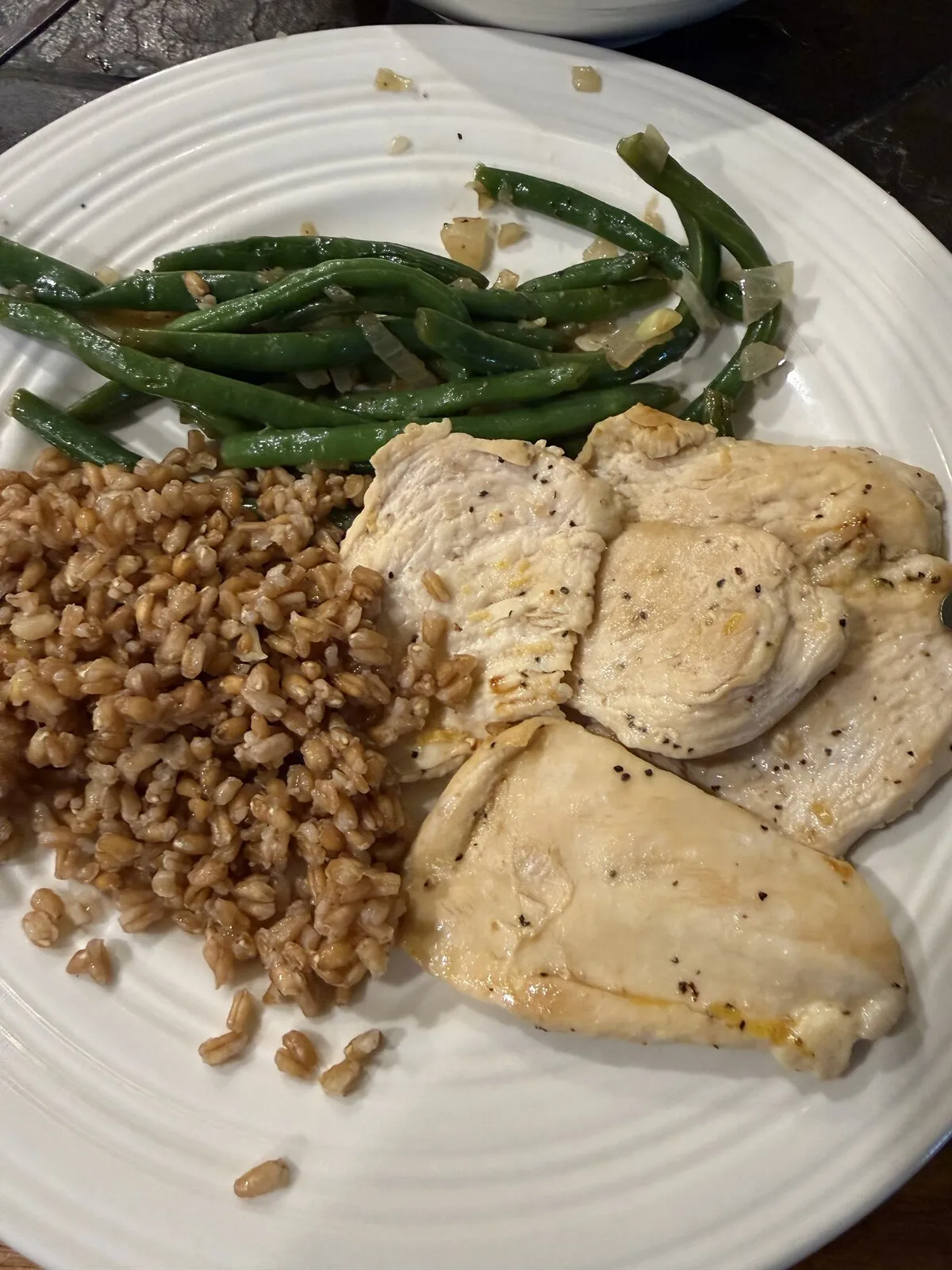
Balanced lunch Chicken Breast, Green Beans & Farro · 44g protein · 410 cal · 7g fiber
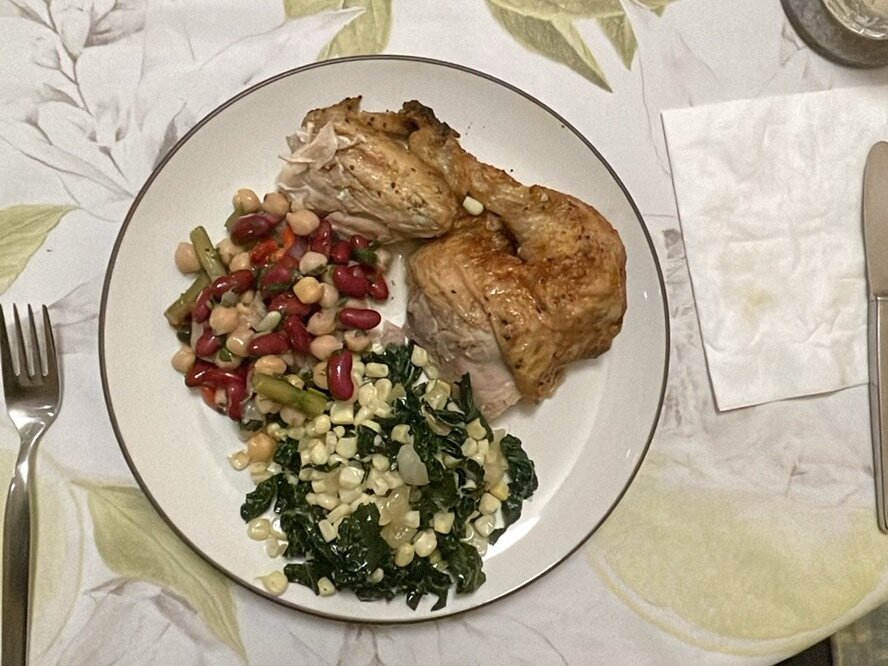
High fiber dinner Roast Chicken & Bean Medley · 42g protein · 480 cal · 9g fiber
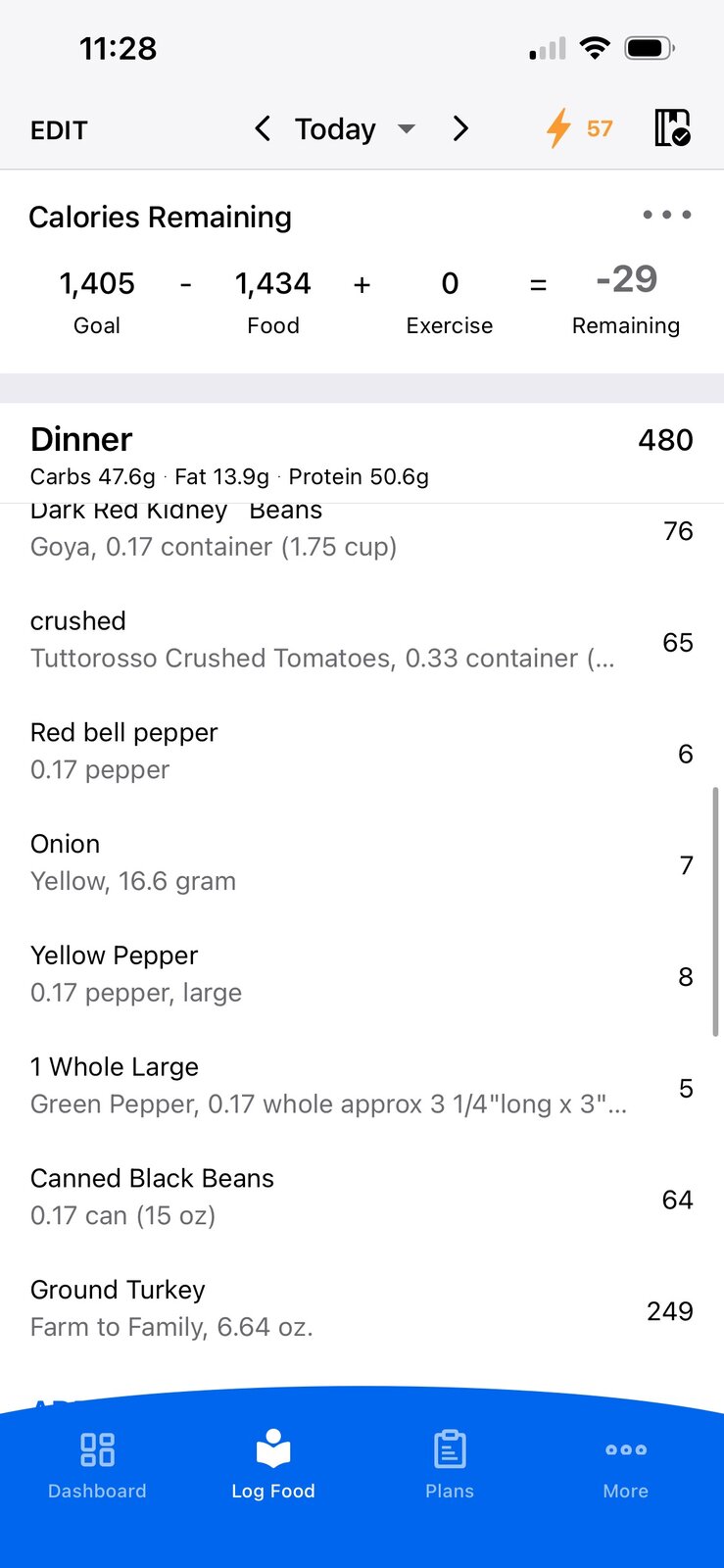
Lean & filling Turkey, Bean & Pepper Medley · 40g protein · 450 cal · 8g fiber
Go deeper on the topics that matter
- Protein targets on GLP-1: How much you really need and why
- GLP-1 & muscle loss: Up to 40% of weight lost can be lean mass
- Menopause + GLP-1: Special considerations for women over 45
- Strength training on GLP-1: The exercise strategy that matters most
- Body recomposition on GLP-1: Lose fat and preserve muscle simultaneously
- Weight loss on GLP-1 after 50: The complete guide for 50+ users
Frequently asked questions about age and GLP-1
Does your protein need change with age on GLP-1?
Yes. Due to anabolic resistance — your muscles becoming less efficient at using protein — needs increase from about 0.7g/lb in your 30s to 0.8-1.0g/lb after 50. On GLP-1, where appetite suppression makes eating harder, this becomes even more critical to plan for.
What is the biggest nutrition risk for older GLP-1 users?
Accelerated muscle loss. Adults over 50 already lose 1-2% of muscle mass per year from sarcopenia. GLP-1 medications can cause up to 40% of weight lost to come from lean mass. Combined, this creates significant frailty risk. High protein and resistance training are essential countermeasures.
Should meal timing change as you get older on GLP-1?
Yes. Older adults benefit from distributing protein evenly — at least 30-40g per meal, three times daily. Due to anabolic resistance, dumping all your protein into one meal is less effective after 50 than spreading it across the day.
Is strength training more important for older GLP-1 users?
Absolutely. It’s the single most effective intervention for preserving muscle during GLP-1 weight loss at any age, but especially after 50. It also protects bone density and improves balance. Even bodyweight exercises count — consistency matters more than intensity.
Do GLP-1 side effects differ by age?
The side effects themselves are similar, but their impact can differ. Older adults are more susceptible to dehydration from nausea or reduced appetite. Constipation may be more pronounced. And rapid weight loss poses a greater bone density risk for users over 50.

Alon Laniado
Founder, FitMate Coach
Alon is the founder of FitMate Coach, which provides 1:1 weight loss coaches helping people stick to their plan. He is certified in Nutrition with Stanford University School of Medicine and with Precision Nutrition, and is a certified Health & Wellness Coach and Personal Trainer with the American Council on Exercise.
He is the author of Focus on Fullness: A Playbook for Weight Loss That Works and Lasts, based on the analysis of 50,000+ daily food logs and 200,000+ coaching conversations.
Keep reading
- Weight Loss on GLP-1 After 50: The complete guide for older adults
- Complete GLP-1 Nutrition Guide: Protein targets, meal timing, and real data
- How Much Protein on GLP-1?: Why your needs change on medication
- GLP-1 and Muscle Loss: Up to 40% of weight lost can be muscle
- Menopause + GLP-1 Nutrition: Special considerations for women
- Strength Training on GLP-1: The exercise strategy that matters most
Nutrition coaching that adapts to your age
FitMate Coach builds personalized nutrition plans — AI-powered meal tracking, protein monitoring, and 1-on-1 coaching that understands your specific needs.