The short answer
High protein + resistance training changes everything
The scale is a terrible judge of progress on GLP-1. Two people can both lose 30 pounds but end up looking completely different. One person loses 5 pounds of muscle and 25 pounds of fat (worse metabolic health). The other loses 3 pounds of muscle and 27 pounds of fat (much better health). The difference is nutrition and training, not just “eating less.”
Why this matters
The composition gap on GLP-1
25-40%
lean mass loss without intervention
10-15%
lean mass loss with protein + training
2×
better metabolic outcomes with body recomposition
Muscle is metabolically expensive — it burns calories at rest. When you lose muscle, your resting metabolic rate drops. People who lose muscle during weight loss regain weight faster and more easily. Body recomposition protects your metabolism and ensures your weight loss is actually fat loss, not metabolic self-sabotage.
Practical guidance
How to optimize body composition
Track body composition, not just weight
The scale doesn’t distinguish fat from muscle. Use waist measurements, progress photos, or body fat estimates to see the real picture.
Protein is the #1 lever
At 0.8-1g/lb bodyweight, your body gets the signal to preserve muscle. Below that threshold, muscle loss accelerates regardless of exercise.
Lift heavy things
Resistance training sends the keep this muscle signal. Without it, even adequate protein can’t fully prevent lean mass loss during caloric deficit.
Prioritize sleep
GLP-1 can disrupt sleep patterns. Poor sleep increases cortisol, which promotes muscle breakdown and fat storage — the opposite of recomposition.
If your situation is different
What to do when recomposition sounds hard
I just want to lose weight, not build muscle: Even if muscle building isn’t your goal, losing muscle tanks your metabolism. People who lose muscle regain weight faster. Recomposition protects your results long-term.
I’m losing weight but look soft: This is classic muscle loss — you’re lighter but your body fat percentage hasn’t dropped proportionally. Increase protein immediately and start resistance training.
The scale hasn’t moved but my clothes fit better: Congratulations — this is recomposition working. You’re losing fat and maintaining muscle. The scale lies; your measurements don’t.
Related topics
From our members
What recomp-ready meals look like
Only 16.6% of tracked meals hit all three recomp markers: 30g+ protein, 5g+ fiber, and 300–700 calories. Getting this right consistently is the hard part — and it’s where coaching makes the biggest difference. Members who track and get feedback improve this ratio over time.
16.6%
Meals hitting all 3 markers
35.6g
Protein in balanced meals
10.5g
Fiber in balanced meals
Real member meals that check all the recomp boxes:
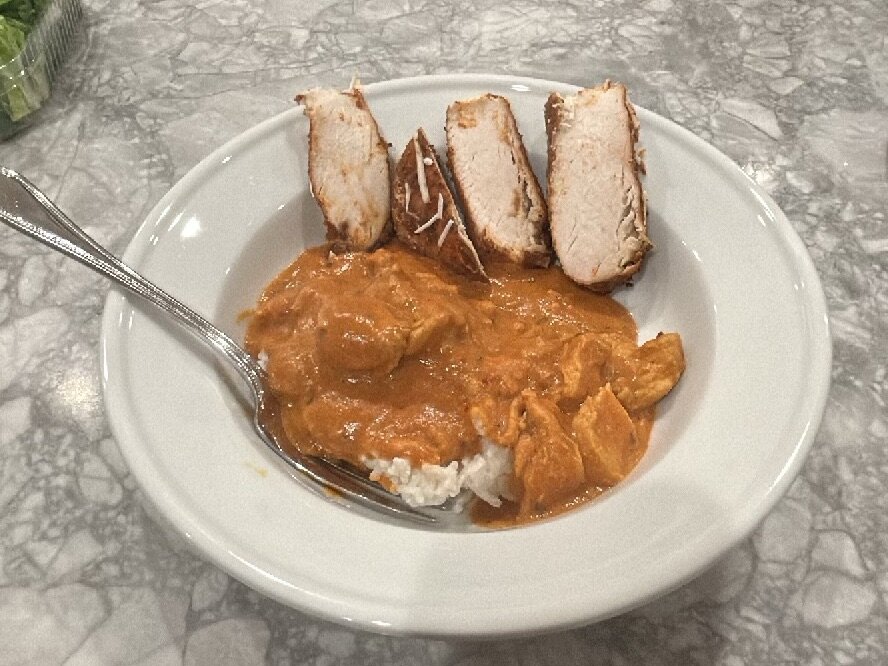
Recomp-ready
Chicken Tikka with Rice
48g protein · 499 cal
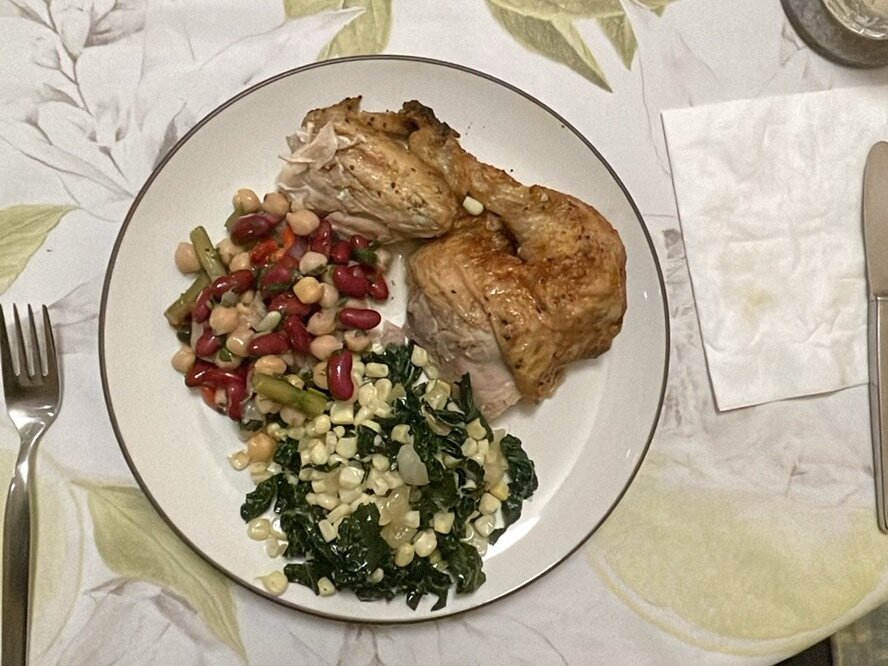
Recomp-ready
Roast Chicken Bean Medley
49g protein · 521 cal
Frequently asked
Common questions about body recomposition
Can I actually gain muscle on GLP-1?
Beginners to resistance training can experience muscle gain even in a caloric deficit (newbie gains). For experienced lifters, the realistic goal on GLP-1 is preservation, not growth. Either way, you need 0.8-1g protein/lb.
How do I know if I'm losing muscle or fat?
Key indicators of muscle loss: decreasing strength, feeling weaker, soft appearance despite weight loss, and disproportionate fatigue. FitMate coaches monitor your nutrition patterns to catch these warning signs early.
Does body recomposition take longer than just losing weight?
The scale may move slower, but your actual health outcomes are significantly better. People who focus on recomposition maintain more muscle, have higher metabolic rates, and regain less weight long-term.
Losing weight but not looking leaner?
FitMate’s AI + coaching ensures your weight loss is fat loss. Protein tracking, body composition focus. $69/month — first 5 days free.