Complete Guide · 2026
Everything you need to know about eating on Ozempic, Wegovy, or Mounjaro — from protein targets and meal timing to strength training and real data from 3,000+ tracked meals.
Backed by proprietary data from FitMate members
Chapter 1
Why nutrition matters more on GLP-1
40%
Of weight lost can be muscle
30%
Typical appetite reduction
0.8-1g
Protein per lb body weight
Chapter 2
Protein: the most important nutrient
Protein-first eating
At every meal, eat your protein source first — before carbs or vegetables. On GLP-1, you may feel full quickly, so make sure protein isn’t the thing you skip.
Spread it across all meals
Your body can only use about 40–50g of protein per meal for muscle synthesis. Eating 100g at dinner and nothing at breakfast doesn’t work as well as 30–40g at each meal.
Shakes are fine — but not as your primary source
A protein shake to fill a gap is great. But whole food protein (eggs, fish, chicken, Greek yogurt) is better absorbed and more satiating. Use shakes as a supplement, not a meal replacement.
Real member meals that hit protein targets:
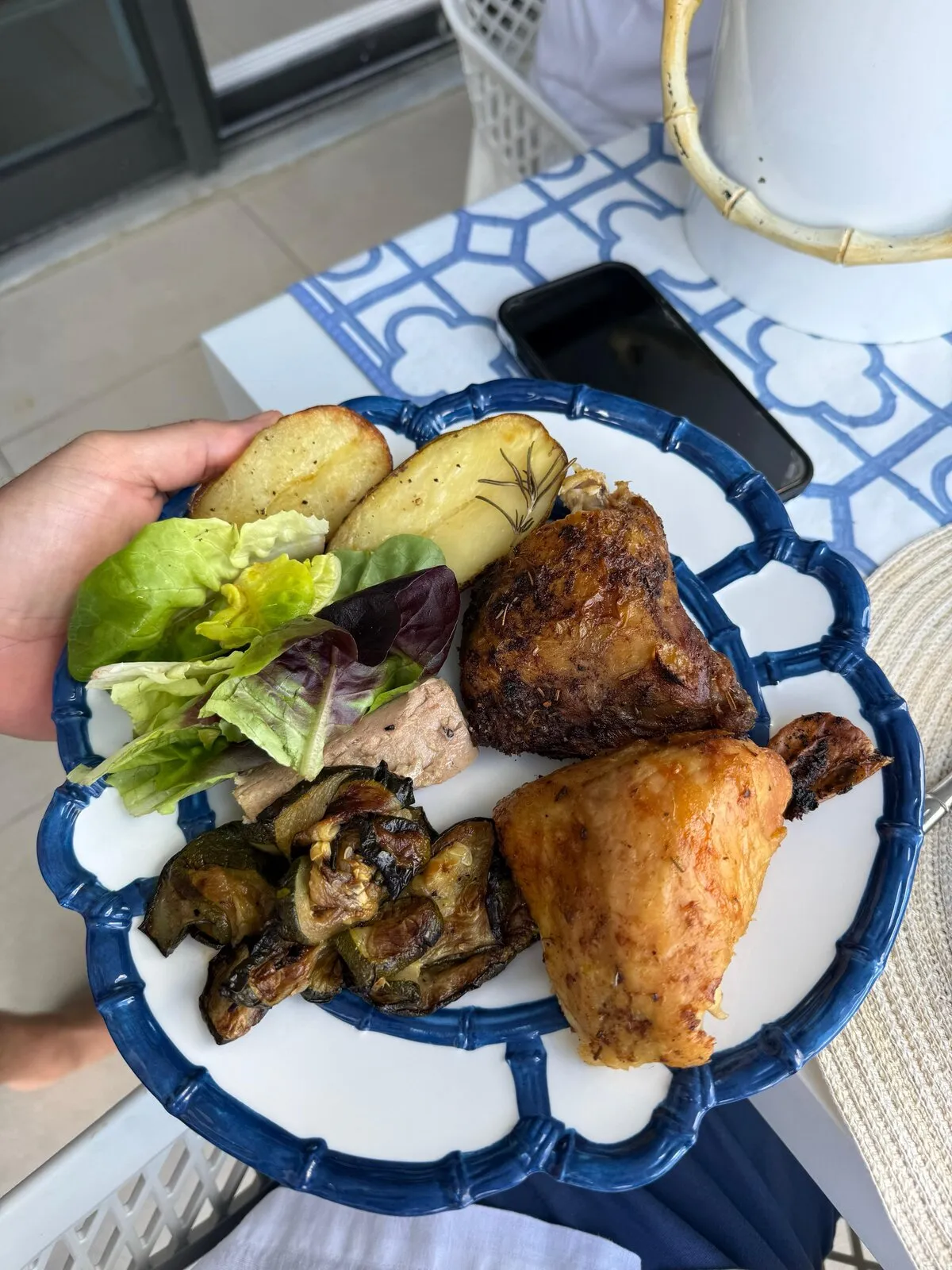
High-protein breakfast Roast Chicken, Potatoes & Roasted Veg · 62g protein · 856 cal
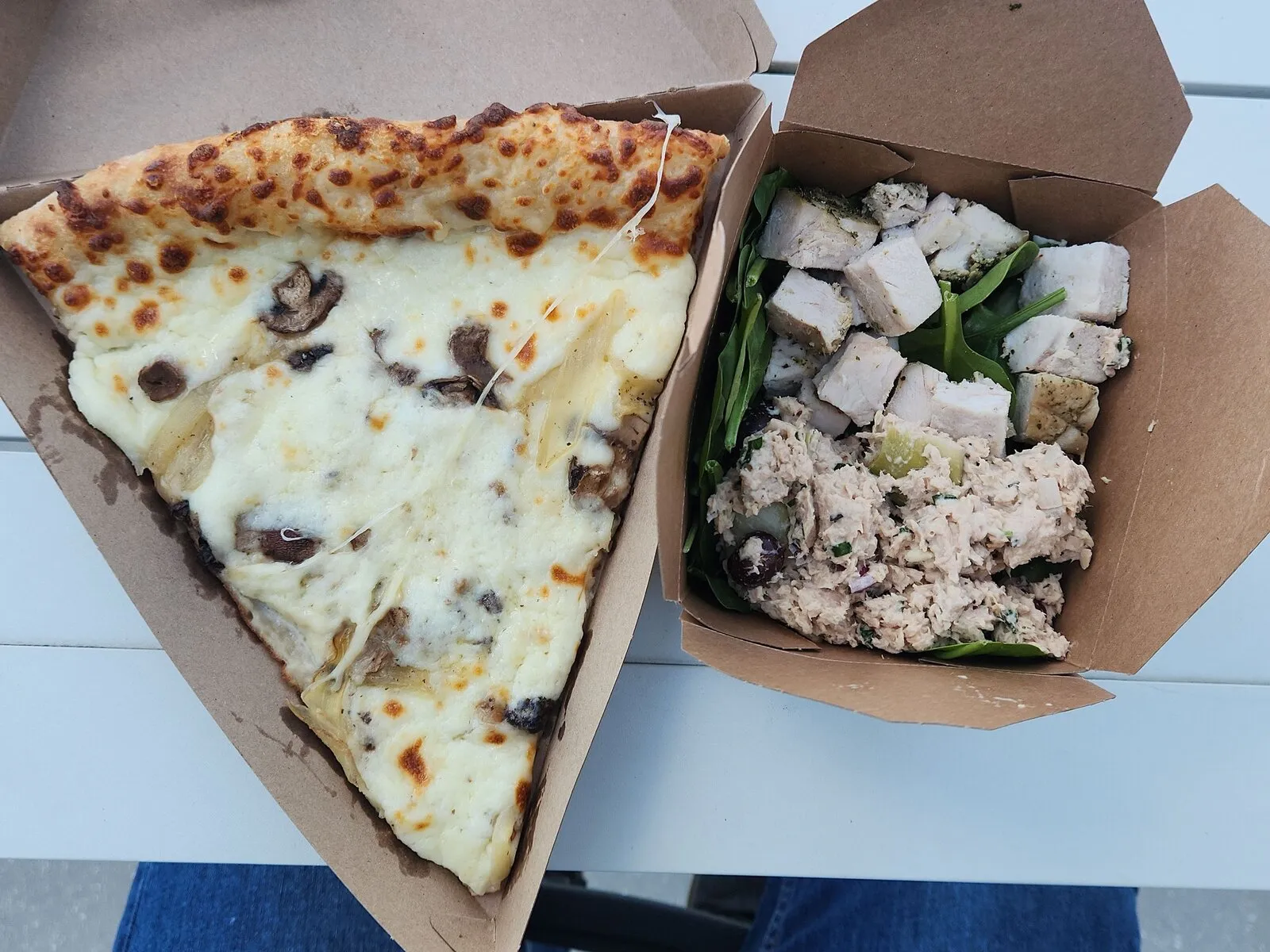
High-protein dinner Pizza Slice & Chicken Salad Box · 82g protein · 597 cal
- Protein targets deep dive: How much do you really need?
- See the protein gap data: What 3,000+ meals reveal
Chapter 3
What to eat (and what to avoid)
Balanced meals real members eat:
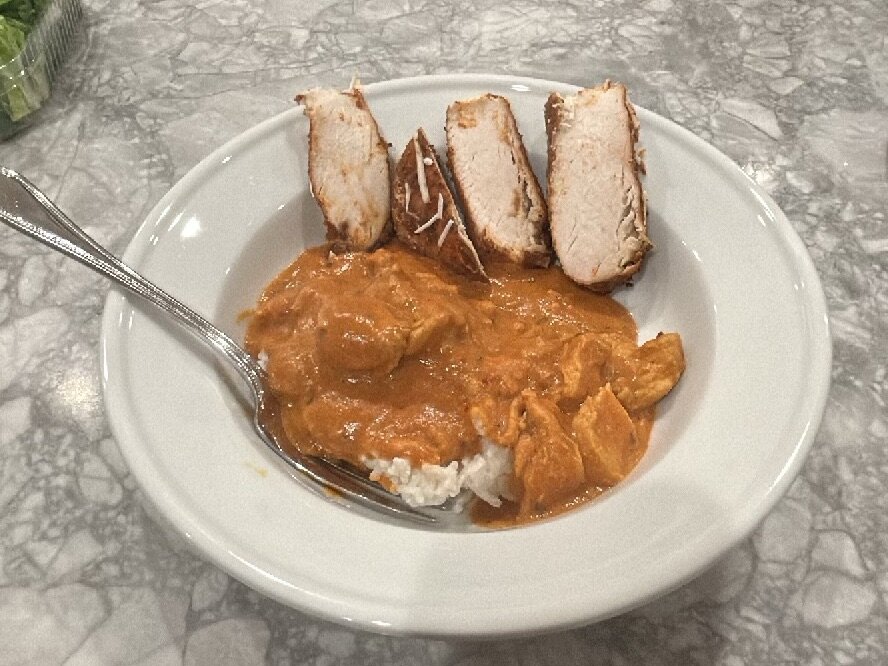
Balanced meal Chicken Tikka with Rice · 48g protein · 499 cal
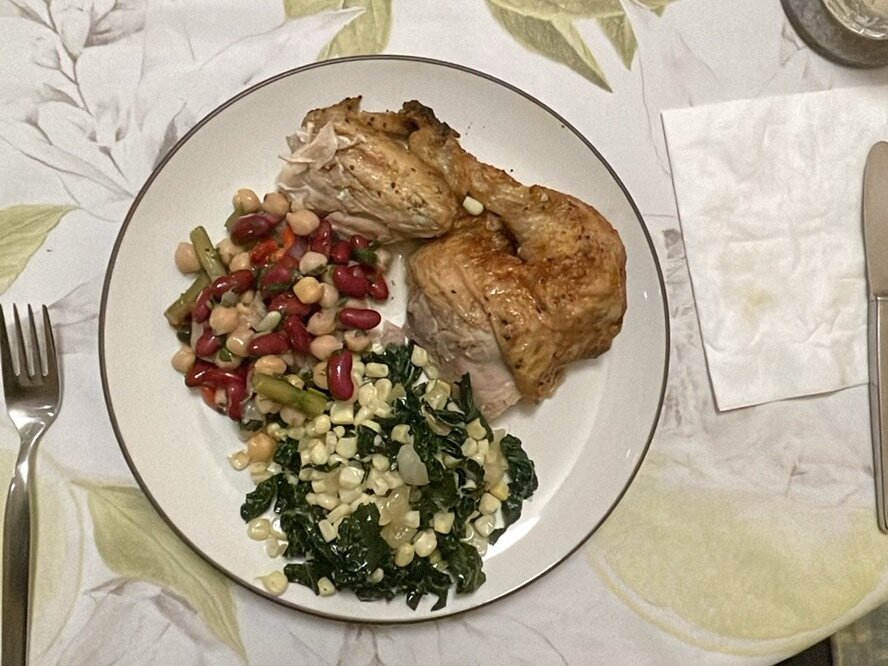
Balanced dinner Roast Chicken Bean Medley · 49g protein · 521 cal
- Full GLP-1 diet guide: What to prioritize and avoid
- Real foods people eat: Actual meals, not theoretical plans
Chapter 4
Meal timing and structure
24g
Avg breakfast protein
33g
Avg lunch protein
34g
Avg dinner protein
Don’t skip breakfast
Even a small protein-rich breakfast (yogurt + nuts, or a shake) gives your body amino acids to work with. 21.8% of tracked breakfasts have under 15g protein — don’t be in that group.
Eat before your injection window closes
GLP-1 appetite suppression peaks 1-2 days after injection. Plan your most protein-dense meals for the days when appetite is stronger, usually 3-5 days post-injection.
- Meal timing deep dive: Optimizing around your injection
- GLP-1 breakfast ideas: High-protein options that work
Chapter 5
Managing side effects through diet
For nausea
Eat smaller, more frequent meals. Avoid greasy, fried, or heavy foods. Ginger tea helps. Bland protein sources (plain chicken, cottage cheese, protein shakes) tend to be well-tolerated. Don’t eat until overly full.
For constipation
Increase fiber gradually — aim for 25–30g daily. Drink more water (dehydration is common on GLP-1). Our data shows average dinner fiber is 8.2g vs just 4.9g at breakfast — adding fiber to morning meals helps.
For extreme appetite loss
When you can barely eat, focus on calorie-dense protein: eggs, cheese, nuts, salmon. Even 200-300 calories of protein-rich food is better than nothing. Set reminders to eat — don’t rely on hunger cues that aren’t coming.
- Side effects guide: Full food strategies
- Fiber & constipation: Solving the #1 complaint
Chapter 6
Strength training nutrition on GLP-1
Before training
A moderate protein + carb meal 1-2 hours before (e.g., Greek yogurt with berries, or eggs on toast). If nausea is an issue, a protein shake 30 min before works.
After training
Within 2 hours: a solid meal with 30–40g protein (chicken breast, fish, or a shake + real food). Don’t skip this — your muscles are primed to absorb protein post-exercise.
Training frequency
2–3 sessions per week focusing on compound movements (squats, deadlifts, rows, presses). These recruit the most muscle and have the biggest impact on preserving lean mass.
- Training nutrition guide: Pre/post workout strategies
- Body recomposition: Lose fat, keep muscle
Chapter 7
Preventing weight regain
16.6%
Meals that are fully balanced
35.6g
Protein in balanced meals
10.5g
Fiber in balanced meals
- Weight regain prevention: Building habits that stick
- Menopause + GLP-1: Special considerations for women
Chapter 8
What 3,000+ tracked meals actually reveal
The protein gap is real
35%
Meals under 20g protein
19.4%
Meals at 40g+ protein
16g
Avg snack protein
Undereating is as common as overeating
Balanced meals make the difference
The contrast between a protein-gap meal and an on-target one:
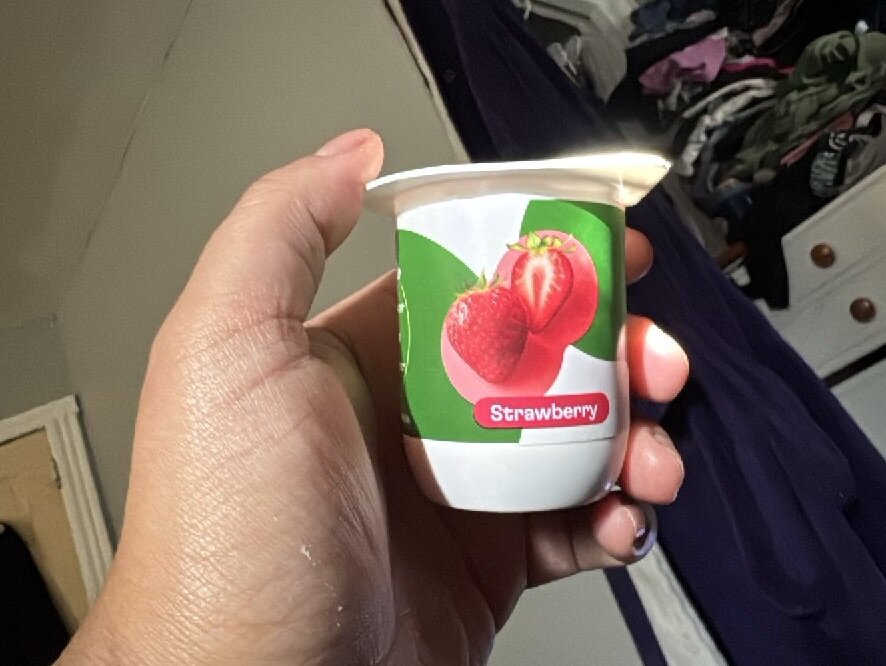
Protein gap Strawberry Yogurt Cup · 5g protein · 92 cal
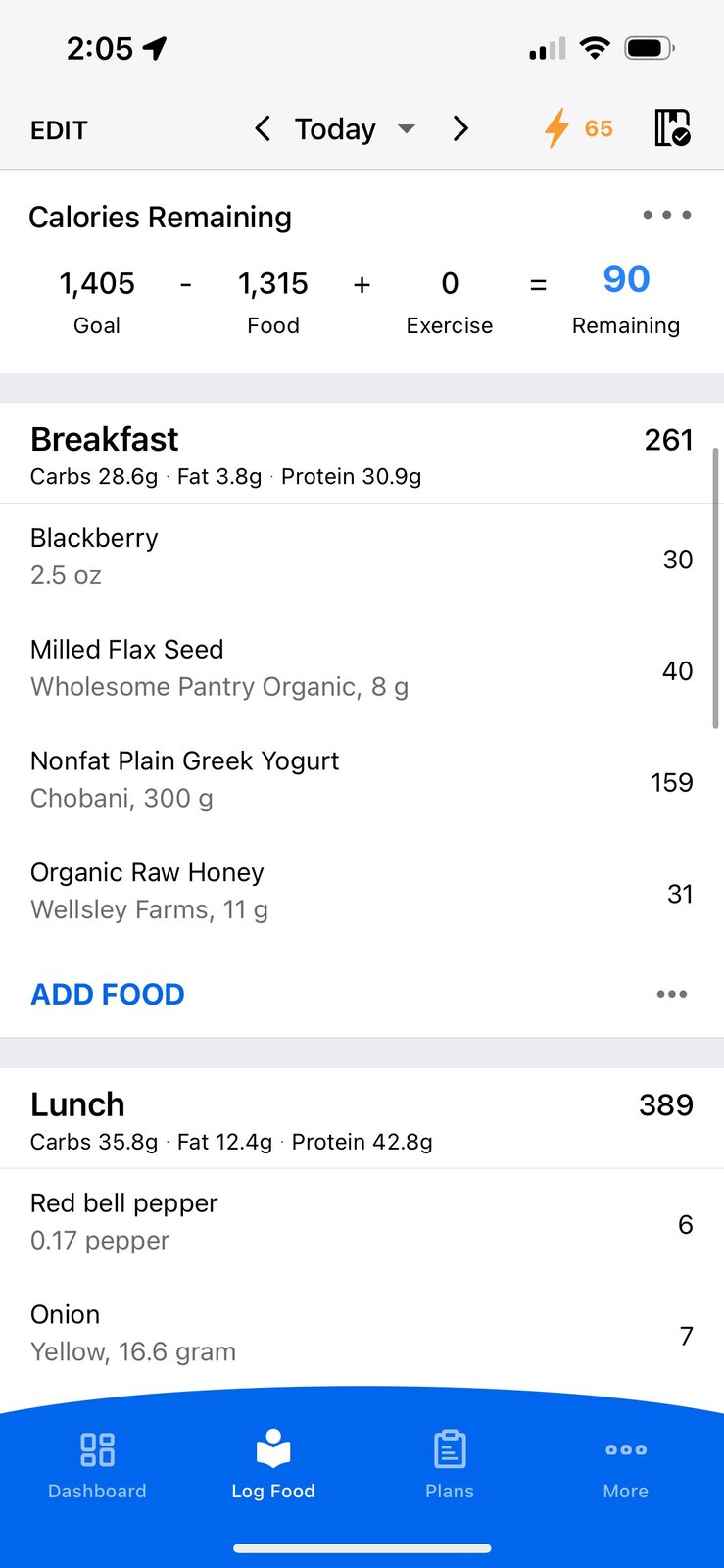
On target Meal Tracker Screenshot · 58g protein · 365 cal
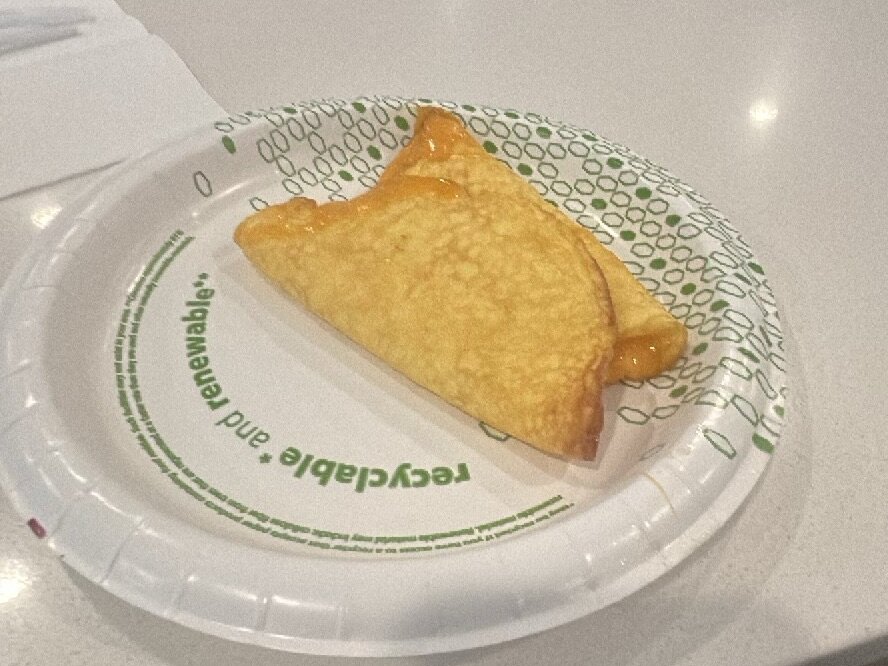
Protein gap Cheese Turnover · 6g protein · 380 cal
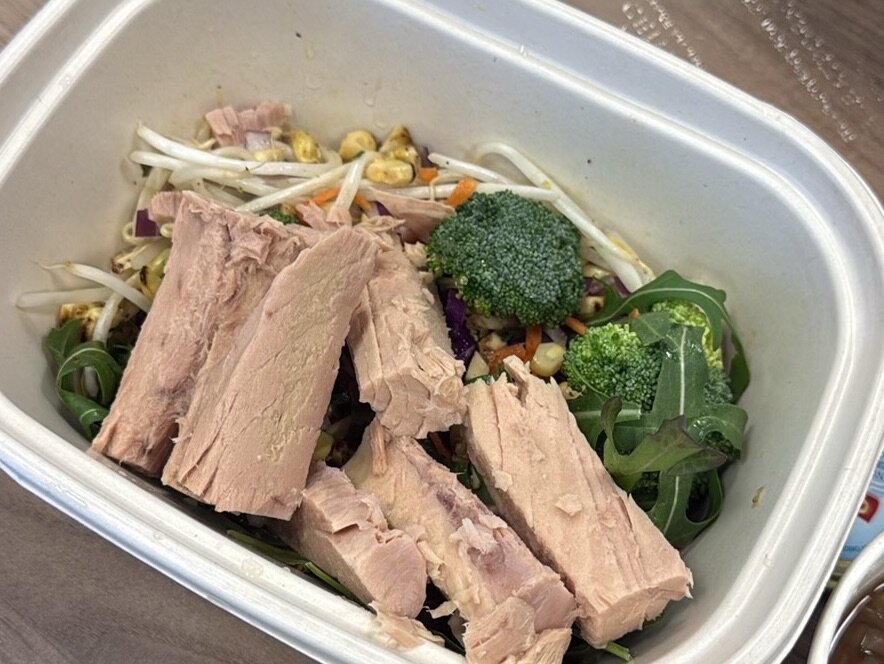
On target Tuna Veggie Salad Bowl · 61g protein · 550 cal
- Full protein gap analysis: Deep dive into the data
- Undereating patterns: Why most people eat too little
- Real foods that work: What members actually eat
- Eating out on GLP-1: Restaurant strategies
Questions answered
Frequently asked questions about GLP-1 nutrition
How much protein do I need on GLP-1 medications?
Research recommends 0.8–1g of protein per pound of body weight — significantly higher than general guidelines. For a 160lb person, that’s 128–160g daily. This higher target is needed because up to 40% of weight lost on GLP-1 can be muscle, and protein is the primary way to prevent that.
What should I eat on Ozempic or Wegovy?
Prioritize protein at every meal (eggs, Greek yogurt, chicken, fish, cottage cheese), add fiber-rich vegetables, and choose calorie-dense protein sources when appetite is low. Avoid empty calories from processed carbs and sugar, which waste your limited appetite window.
How do I prevent muscle loss on GLP-1?
Three strategies work together: hit 0.8–1g protein per pound daily, do resistance training 2-3x per week, and spread protein across all meals rather than loading it at dinner. Our data shows that meals rated “balanced” contain 40% more protein than flagged meals.
Can I exercise on GLP-1 medications?
Yes, and you should. Strength training is especially important because it signals your body to preserve muscle during weight loss. The key is pairing exercise with adequate protein — eat 20-30g protein before training and 30-40g after.
How do I manage nausea and side effects?
Eat smaller, more frequent meals. Avoid greasy, fried, or very spicy foods. Ginger tea and bland protein sources (plain chicken, cottage cheese) tend to be well-tolerated. Most side effects improve after 4-8 weeks as your body adjusts to the medication.
Will I regain weight after stopping GLP-1?
Studies show most people regain weight after stopping, but those who built sustainable nutrition and exercise habits during treatment fare much better. Use the medication period to establish protein-first eating patterns and strength training routines that persist independently.
Does a nutrition coach help on GLP-1?
FitMate coaches use AI to analyze every meal photo and track protein in real time. They identify specific gaps — like consistently low protein at breakfast — and give targeted recommendations based on your actual data, not generic advice. Members see measurable improvements in protein consistency within weeks.
Ready to optimize your GLP-1 nutrition?
FitMate’s AI analyzes every meal photo and your coach builds a protein-first plan around your GLP-1 treatment. $69/month — first 5 days free.