Women in perimenopause and menopause already face unique nutrition challenges. GLP-1 medications compound them. Here’s the dietary strategy that protects all three.
The dual challenge
Menopause + GLP-1 = compounded risk
The menopause transition is already challenging for the body. Declining estrogen affects bone turnover, muscle synthesis, metabolic rate, and energy levels. Layer GLP-1 on top of that, and the appetite suppression makes it harder to eat enough of the nutrient-dense foods that protect against these risks.
Why this matters
The menopause-GLP-1 compounding effect
2×
the muscle loss risk — menopause + GLP-1 compound each other
1200mg
daily calcium target for women over 50 on GLP-1
35%
of menopausal women on GLP-1 develop vitamin D deficiency
Without a specific nutrition strategy, menopausal women on GLP-1 face rapid muscle and bone loss that’s difficult to reverse. The good news: addressing these three areas — protein, bone minerals, and adequate calories — prevents the worst outcomes.
Practical guidance
4 strategies for menopausal women on GLP-1
Prioritize bone-protective foods
Calcium-rich proteins pull double duty: Greek yogurt, cottage cheese, canned salmon with bones, sardines, and fortified tofu. These protect bones while hitting protein targets.
Vitamin D is critical
GLP-1 reduces appetite, which means less dietary vitamin D. Supplement 2000-4000 IU daily (check with your provider) and eat fatty fish, eggs, and fortified foods.
Resistance training is non-negotiable
For menopausal women on GLP-1, strength training isn’t optional. It’s the single most effective intervention for both muscle and bone preservation. Aim for 2-3 sessions per week with progressive weights.
Don’t fear healthy fats
Omega-3s (salmon, walnuts, flaxseed) support joint health, reduce inflammation, and help with mood stability during hormonal fluctuations. On reduced calories, fat quality matters enormously.
Your situation
Choose your path based on where you are
Related topics
- GLP-1 Protein Needs →
- GLP-1 & Muscle Loss →
- Body Recomposition on GLP-1 →
- Strength Training & Nutrition →
From our members
What balanced nutrition looks like in practice
81%
More fiber in balanced meals
40%
More protein in balanced meals
10.5g
Avg fiber in balanced meals
Nutrient-dense meals real members rely on:
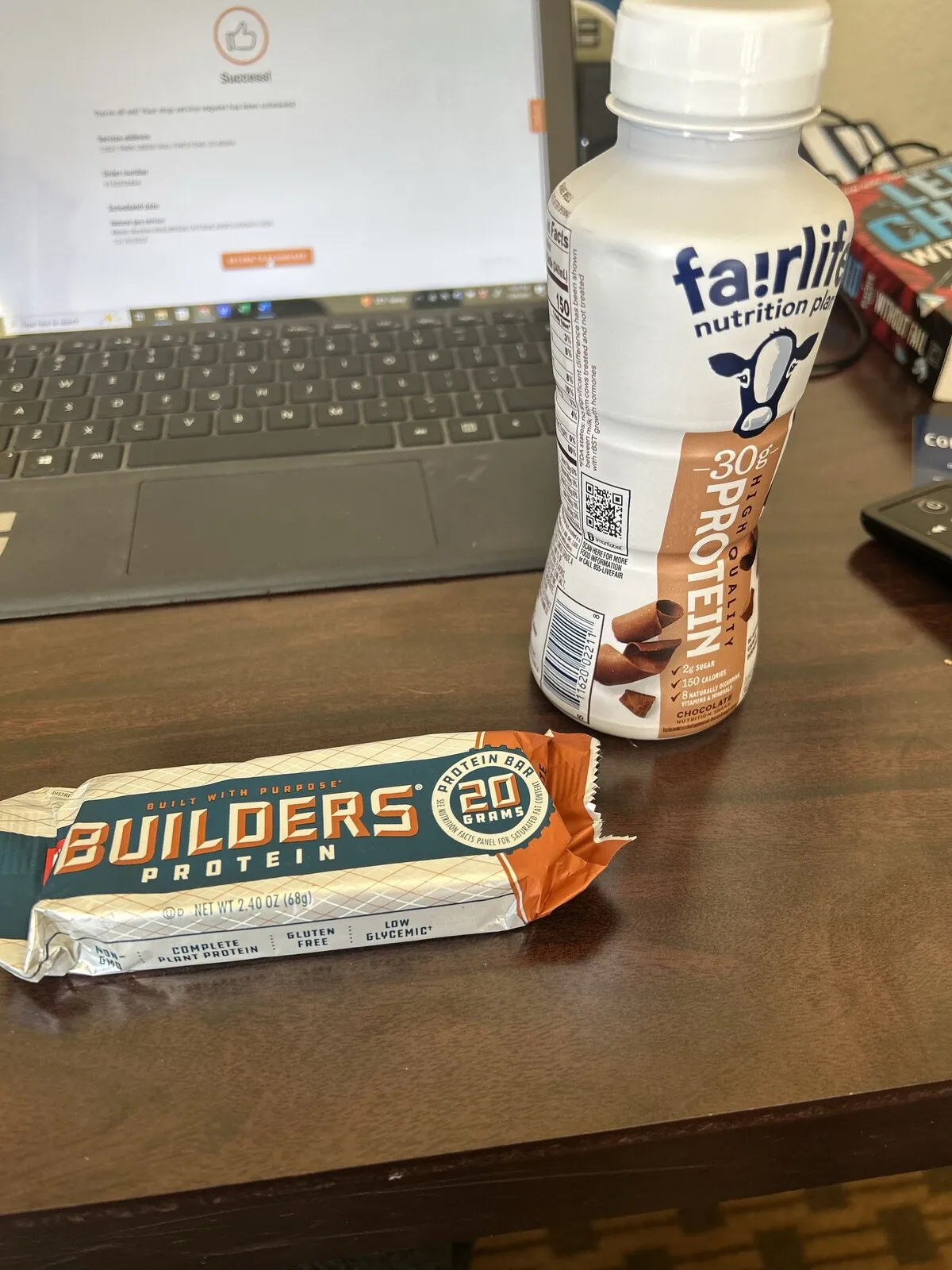
Nutrient-dense
Quinoa Spinach Salad
73g protein · 19g fiber
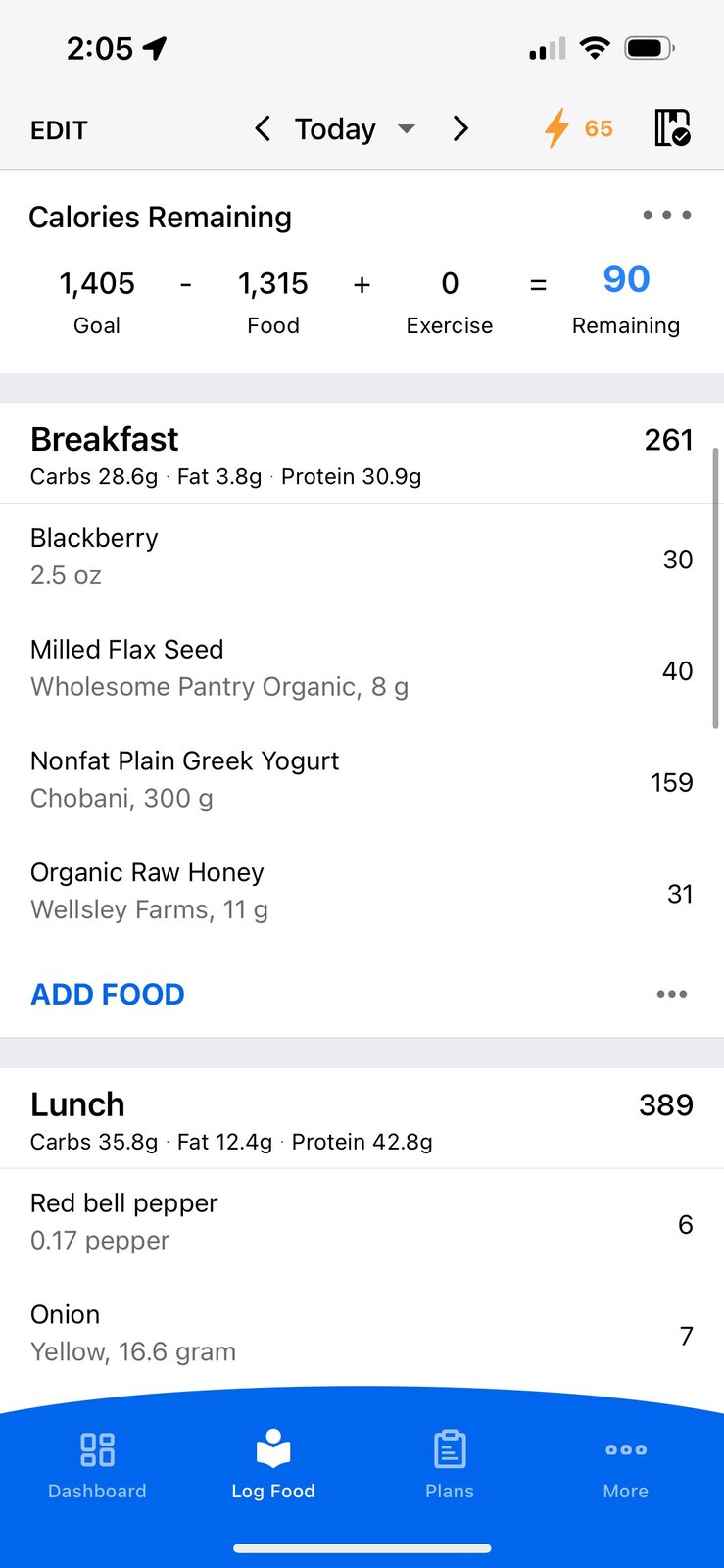
Balanced breakfast
Meal Tracker Screenshot
58g protein · 12g fiber
Frequently asked
Common questions about GLP-1 & menopause
Does menopause make GLP-1 less effective?
Hormonal changes can slow weight loss, but GLP-1 is still effective for menopausal women. The rate may be slower — 1-2 lbs/week vs 2-3 — but the results are meaningful and sustainable with proper nutrition.
Should I take HRT alongside GLP-1?
That’s a medical decision for your provider. From a nutrition perspective, HRT can improve body composition outcomes by supporting muscle and bone, which complements what we focus on with diet.
Why am I more tired on GLP-1 during menopause?
Three factors combine: reduced calorie intake, menopausal fatigue, and potential iron/B12 deficiency from eating less. Track your energy with your meals — FitMate coaches identify if specific nutritional gaps are driving fatigue.
Navigating GLP-1 during menopause?
FitMate coaches understand the unique nutritional needs of midlife women on GLP-1. $69/month — first 5 days free.