Up to 25–40% of weight lost on Ozempic, Wegovy, and Mounjaro can come from lean muscle. Here’s what the research shows and the strategies to preserve muscle mass.
The short answer
GLP-1s cause muscle loss by suppressing appetite
This happens because GLP-1 medications don’t discriminate between fat and muscle loss. They work by suppressing appetite across all foods. Without intentional protein focus and strength training, the body catabolizes muscle tissue for amino acids during rapid caloric deficits. Early intervention is key to preventing the worst loss.
Why this matters
The muscle loss problem on GLP-1
25–40%
of weight lost on GLP-1 can be lean muscle, not fat
39%
lean mass loss in STEP 1 semaglutide trial
3×
faster muscle loss vs. diet alone in some studies
Muscle loss on GLP-1 is significant and often unexpected. People assume they’re losing pure fat, but without protein and exercise strategies, 25–40% of their weight loss is actually lean tissue. This slows metabolism, increases injury risk, and makes weight regain much more likely after stopping the medication.
Practical guidance
How to prevent muscle loss on GLP-1
The science behind it
GLP-1 agonists suppress appetite so effectively that total caloric intake drops 30-40%. When protein intake falls below needs, the body catabolizes muscle for amino acids. This accelerated breakdown is the defining challenge of GLP-1 therapy.
Protein is the #1 defense
Aim for 0.8-1g protein per pound of body weight daily. This is the single most important factor in preserving muscle on GLP-1. High protein counteracts the appetite suppression by ensuring amino acids are available for muscle synthesis.
Resistance training is non-negotiable
Strength training 2-3× per week signals your body to preserve muscle. Cardio alone does not provide this signal. Even light resistance with proper form prevents significant lean mass loss when combined with adequate protein.
Monitor body composition, not just weight
Scale weight alone can’t tell you if you’re losing fat or muscle. DEXA scans, bioimpedance analysis, or smart scales track lean mass trends. This data is essential for adjusting your protein and exercise strategies.
Who this applies to
Muscle preservation at every stage
Related topics
- How Much Protein on GLP-1? →
- What to Eat on GLP-1 →
- Preventing Weight Regain →
- FitMate for GLP-1 Muscle Preservation →
From our members
What the data shows about muscle-protective eating
35.6g
Protein in balanced meals
25.5g
Protein in flagged meals
40%
More protein in balanced meals
Real member meals that hit muscle-protective protein levels:
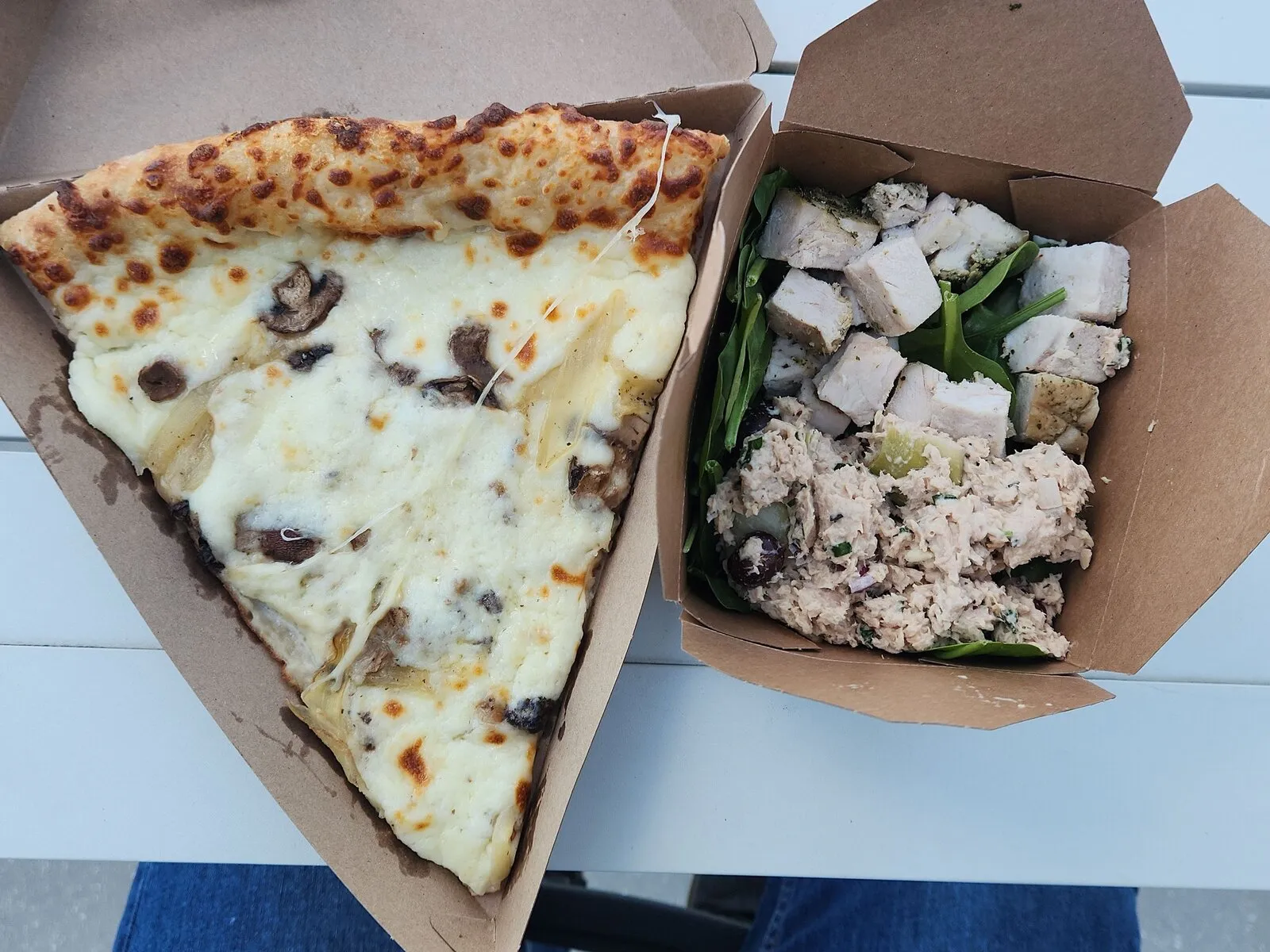
Muscle-protective
Pizza Slice & Chicken Salad Box
82g protein · 597 cal
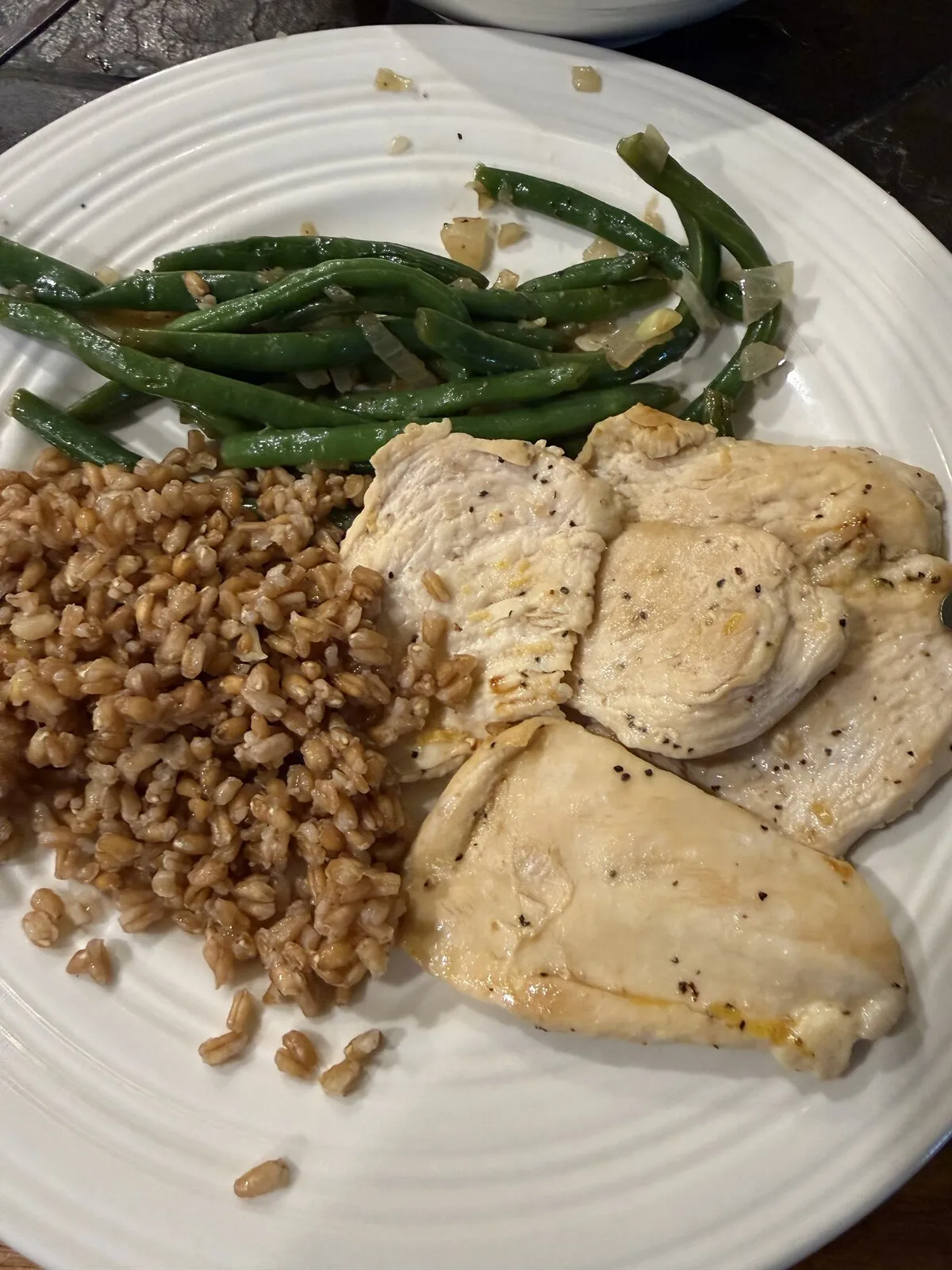
Muscle-protective
Chicken Breast, Green Beans & Farro
74g protein · 568 cal
Frequently asked
Common questions about muscle loss on GLP-1
Is the muscle loss from GLP-1 permanent?
Not necessarily. With adequate protein and resistance training, you can rebuild lost muscle — but it’s much easier to prevent the loss in the first place. Studies show people who start protein-focused nutrition early lose significantly less lean mass.
Does tirzepatide (Mounjaro) cause less muscle loss than semaglutide?
Early data suggests tirzepatide may preserve slightly more lean mass, but the difference is modest. Both medications require the same protein and exercise strategies to protect muscle.
Can my doctor tell if I'm losing muscle?
Standard checkups don’t usually assess body composition. FitMate’s AI tracks your nutrition patterns daily and flags when protein intake consistently falls below muscle-preservation thresholds — catching the problem before significant loss occurs.
Losing weight on GLP-1? Protect your muscle.
FitMate’s AI tracks every meal and your coach monitors your protein patterns weekly. $69/month — first 5 days free.