GLP-1 medications suppress appetite — but your muscles still need fuel. Here’s what the research says about protein targets for Ozempic, Wegovy, and Mounjaro users.
The short answer
0.8–1g of protein per pound of body weight, daily
This target is based on research from the STEP trials and current sports nutrition guidelines adapted for weight loss on GLP-1 receptor agonists. Without adequate protein, up to 25% of weight lost on GLP-1 can come from lean muscle mass rather than fat.
Why this matters
The muscle loss problem on GLP-1
25%
of weight lost on GLP-1 can be muscle, not fat
2×
more protein needed than most people currently eat
68%
of GLP-1 users don't hit minimum protein targets
When appetite drops, protein is the first macronutrient to fall. People eat less overall, but the reduction hits protein hardest — because high-protein foods require more effort to prepare and eat. The result is accelerated muscle loss that slows metabolism and makes weight regain more likely.
Practical guidance
How to hit your protein targets on reduced appetite
Protein-first eating
Start every meal with protein. When appetite is limited, what you eat first matters most. Chicken, fish, eggs, Greek yogurt, and cottage cheese are the highest-density options.
Track, don’t guess
Most people overestimate protein intake by 30–40%. AI meal photo analysis — like FitMate’s — gives you real numbers without the hassle of manual logging.
Spread it across meals
Your body can only absorb 30–40g of protein per meal for muscle synthesis. Three meals with 40g each beats one meal with 120g.
Combine with resistance training
Protein alone isn’t enough. Strength training 2–3× per week sends the signal to preserve muscle. Without it, even adequate protein can’t fully prevent lean mass loss.
Who this applies to
Not everyone needs the same target
Related topics
- GLP-1 & Muscle Loss
- What to Eat on GLP-1
- Protein Help for GLP-1 Users
- Is FitMate Good for GLP-1 Users?
From our members
What 3,000+ tracked meals actually show
24g
Avg breakfast protein
34g
Avg dinner protein
35%
Meals under 20g protein
Here’s what low-protein vs high-protein breakfasts actually look like from real member meals:
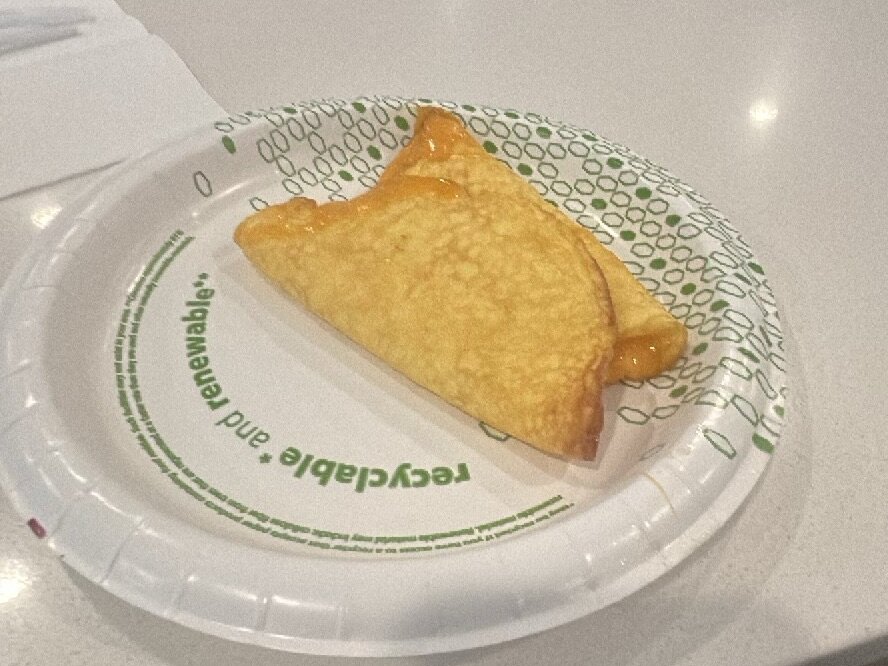
Protein gap Cheese Turnover · 6g protein · 380 cal
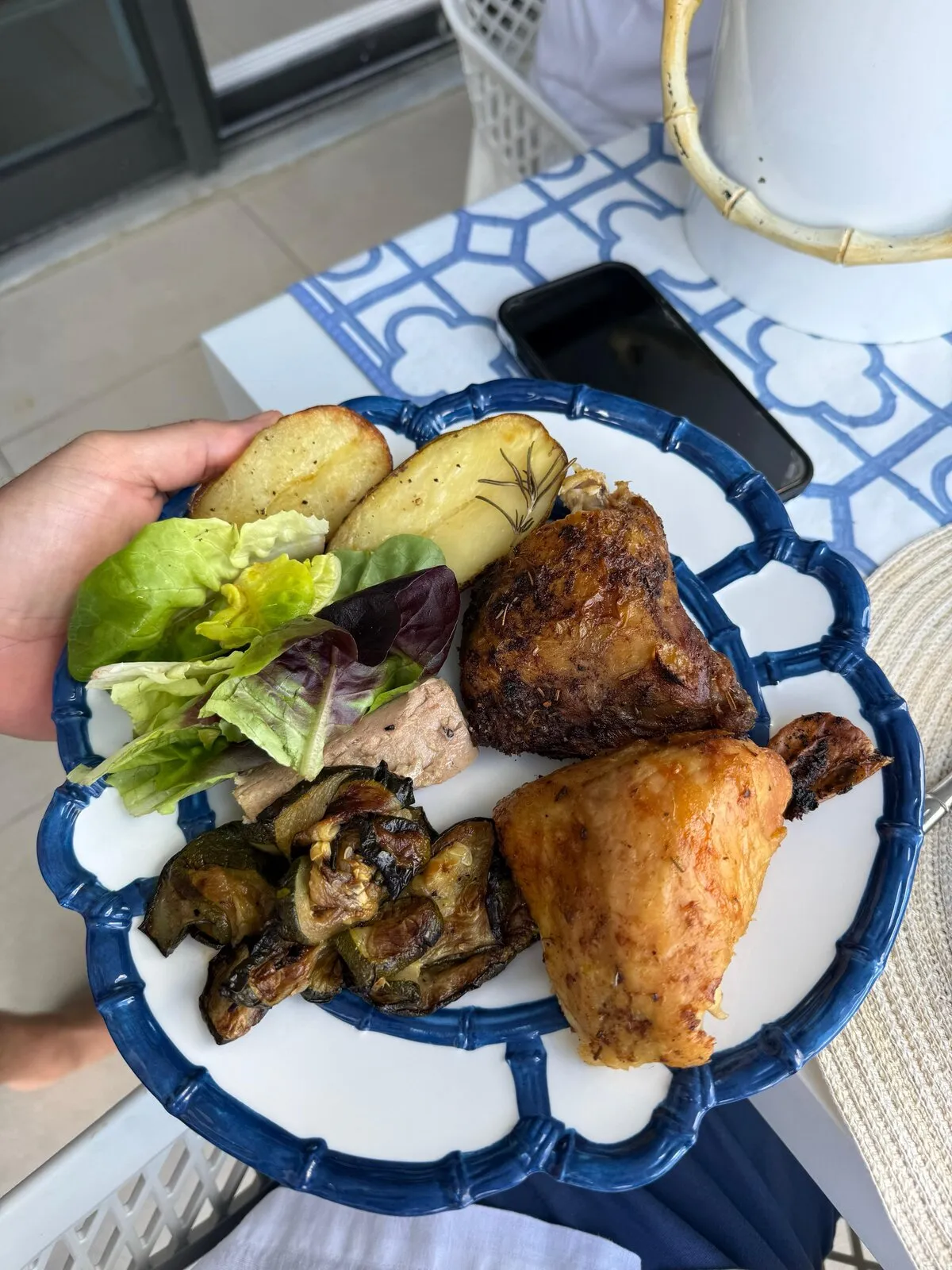
On target Roast Chicken, Potatoes & Roasted Veg · 62g protein · 856 cal
Frequently asked
Common questions about protein on GLP-1
Can I use protein shakes to hit my target?
Yes, but whole food sources are better absorbed and more satiating. Use shakes to fill gaps — not as your primary source. A shake with 30g of whey protein after a workout is useful; replacing two meals with shakes is not sustainable.
What if I feel too full to eat enough protein?
This is the core challenge on GLP-1. Strategies that work: eating protein first before vegetables or carbs, choosing calorie-dense protein sources (eggs, cheese, salmon over chicken breast), and eating smaller meals more frequently rather than three large ones.
Does a nutrition coach actually help with this?
FitMate coaches use AI to analyze every meal photo and track protein in real time. They identify specific gaps — like consistently low protein at breakfast — and give targeted recommendations based on your actual data, not generic advice.
Not sure if you’re hitting your targets?
FitMate’s AI analyzes every meal and your coach reviews your protein patterns weekly. $69/month — your first 5 days are free.