Research shows that two-thirds of weight lost on GLP-1 medications returns within a year of stopping. Learn the evidence-based strategies to keep the weight off.
The research
What happens when you stop GLP-1
The numbers
Why weight regain is so common
67%
of weight lost on semaglutide regained within 1 year of stopping
2/3
of people who stop GLP-1 return to or exceed previous weight
50%
lower regain rate in people who maintained high protein + resistance training
Practical guidance
How to prevent weight regain
Build habits while on GLP-1
The medication gives you a window of reduced appetite — use it to build sustainable eating patterns, not just to eat less. The habits you form now are your insurance policy.
Protect your metabolism
Muscle loss during GLP-1 lowers your metabolic rate, making regain more likely. Prioritize protein (0.8–1g/lb) and resistance training to maintain lean mass and metabolic capacity.
Taper gradually if possible
Abrupt discontinuation leads to a sudden appetite spike. Work with your prescriber on a gradual dose reduction that gives your body time to adjust.
Replace medication with accountability
GLP-1 provides built-in appetite control. When that’s gone, you need a different system. A nutrition coach provides the external accountability and real-time feedback that replaces the medication’s effect.
Your situation
Finding your prevention plan
Related topics
From our members
What sustainable eating actually looks like
16.6%
Meals that are fully balanced
10.5g
Fiber in balanced meals
35.6g
Protein in balanced meals
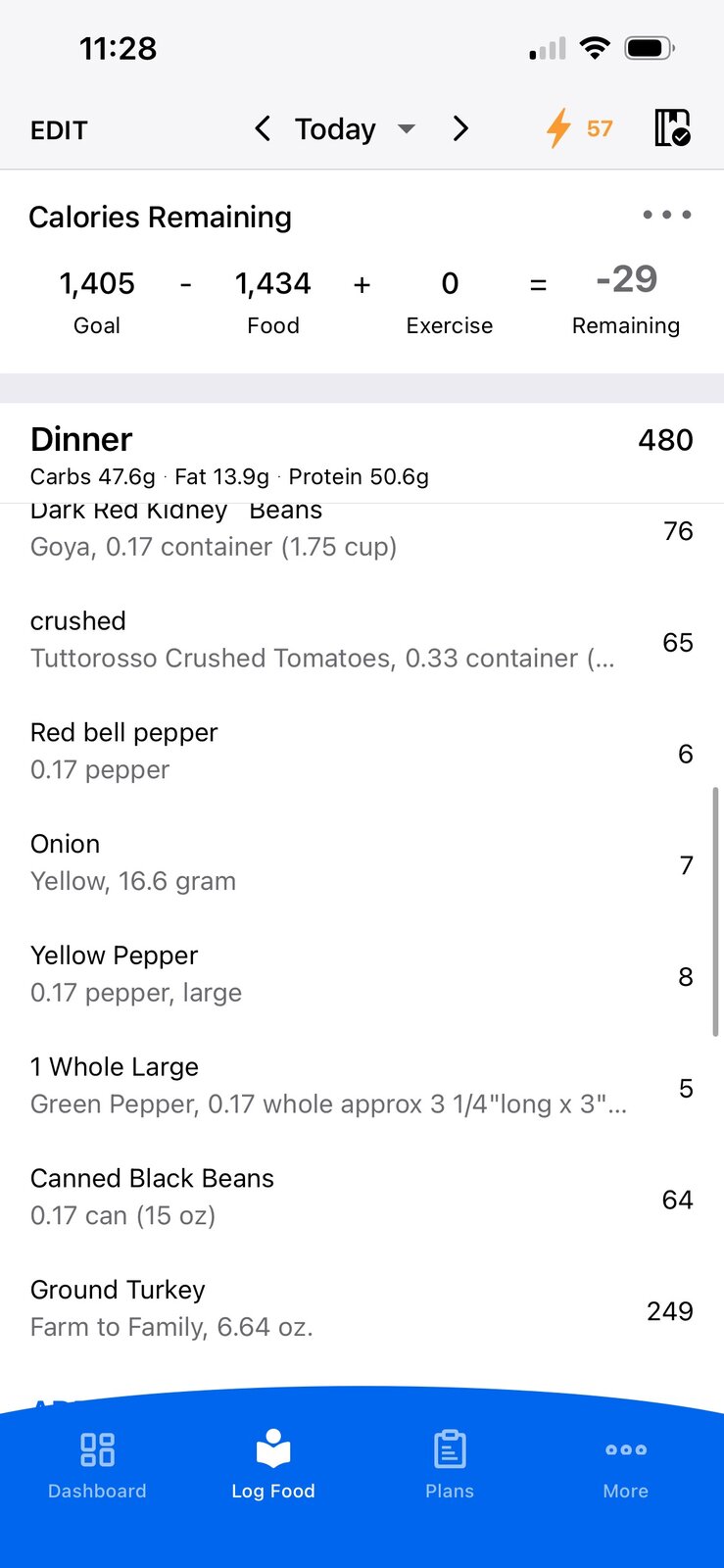
Here’s what a sustainable, regain-proof meal looks like from real members:

Sustainable meal
Chicken Tikka with Rice
48g protein, 499 cal
Sustainable meal
Turkey Bean Pepper Medley
50g protein, 480 cal
Frequently asked
Questions about stopping GLP-1
Is weight regain inevitable when stopping GLP-1?
No — but it requires active prevention. People who maintained high protein intake, consistent resistance training, and structured meal tracking during GLP-1 treatment have significantly better outcomes. The key is building systems while the medication makes it easier, not assuming willpower will be enough afterward.
Should I stay on GLP-1 permanently?
That’s a decision for you and your prescriber. Some people use GLP-1 long-term; others use it as a bridge while building sustainable habits. Either approach is valid. What matters is having a plan for nutritional adequacy and muscle preservation regardless of duration.
How does FitMate help with the GLP-1 transition?
FitMate coaches provide the daily accountability that replaces GLP-1’s appetite suppression. AI meal tracking catches when protein falls, your coach adjusts your plan as appetite returns, and the system creates a safety net during the highest-risk transition period.
Planning life after GLP-1?
FitMate’s AI and coaching create the habits and accountability that keep weight off. $69/month — first 5 days free.