Forget the influencer meal prep photos. When FitMate analyzed 3,000+ real meals, the top protein sources weren’t exotic. They were egg whites, skyr, cottage cheese, chicken, and eggs — simple, accessible foods that actually work.
The short answer
Consistency beats complexity
The users who hit protein targets most often aren’t the ones trying new recipes every week. They’re the ones who master 5-7 basic foods and rotate them reliably.
What the data shows
The top protein sources in real meals
5
core protein sources account for the majority of high-protein meals
18g
average protein per serving of skyr — the breakout ingredient
27g
average protein from chicken breast — the most protein-dense ingredient tracked
These five foods appear in nearly every high-protein meal tracked in our data. When they’re not present, the meal falls short of protein targets. The most successful users don’t need variety — they need reliability.
Real meals, real results
What high-protein meals actually look like
These are actual meals tracked by FitMate users who consistently hit their protein targets. Notice the common thread: a clear protein anchor in every meal.
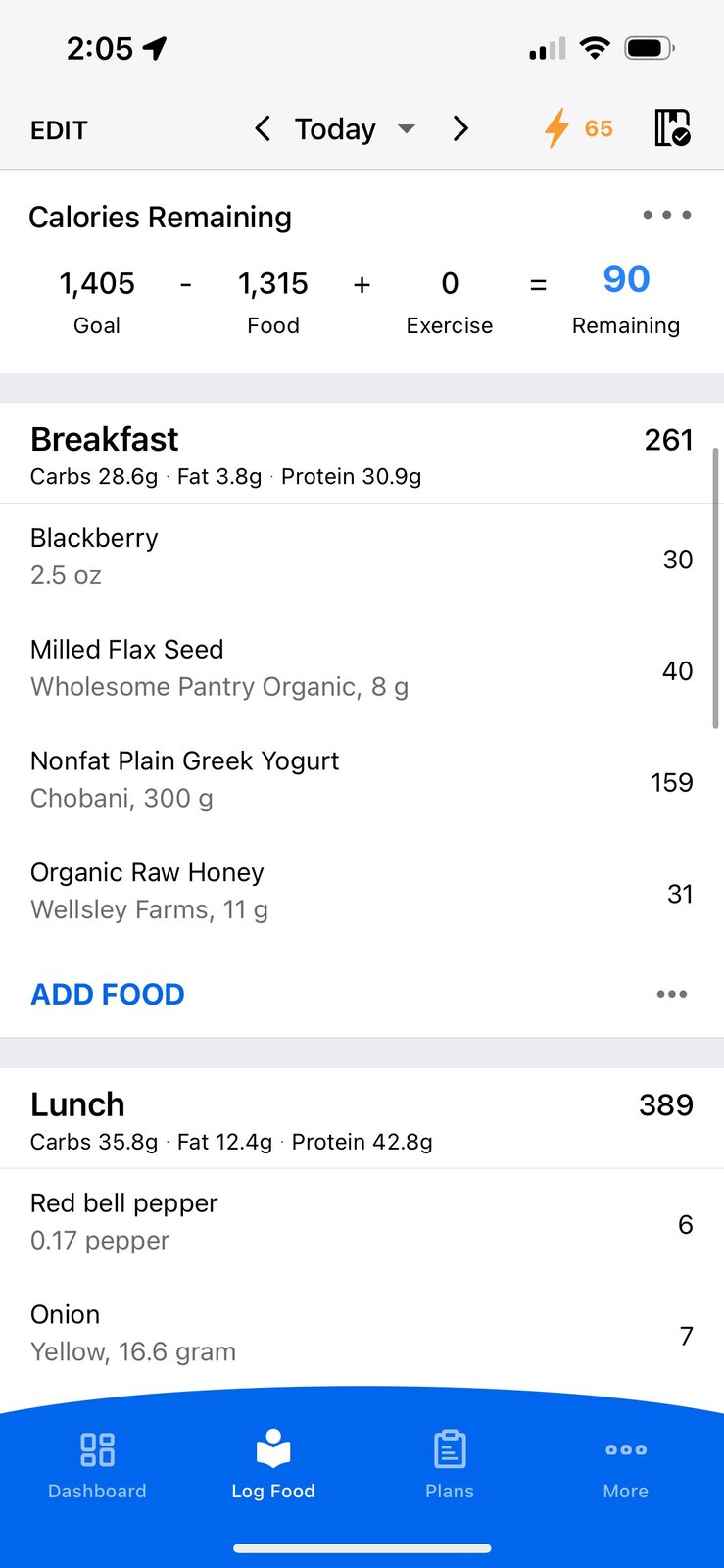
Breakfast · Meal Tracker Screenshot · 58g protein · 365 cal
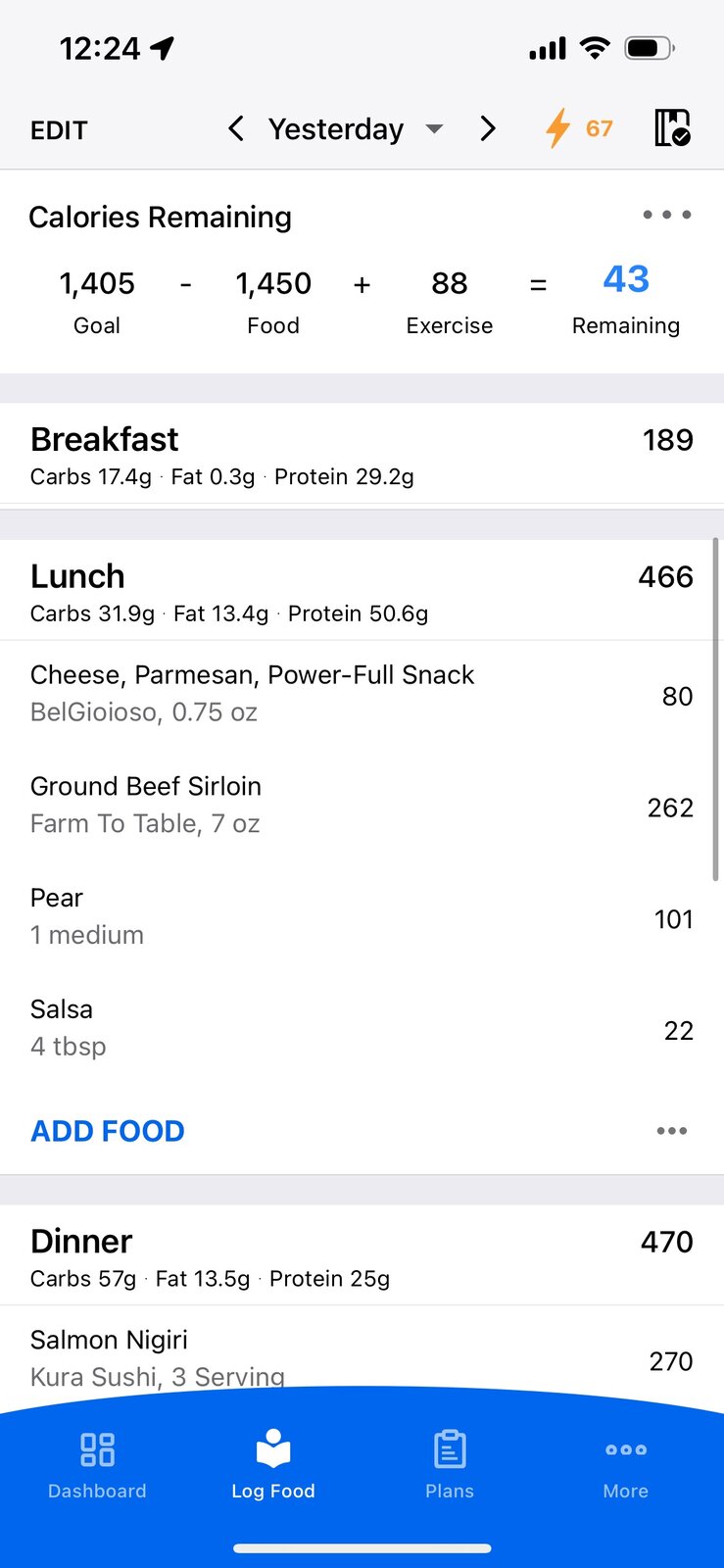
Lunch · Chicken & Egg Power Plate · 47g protein · 503 cal
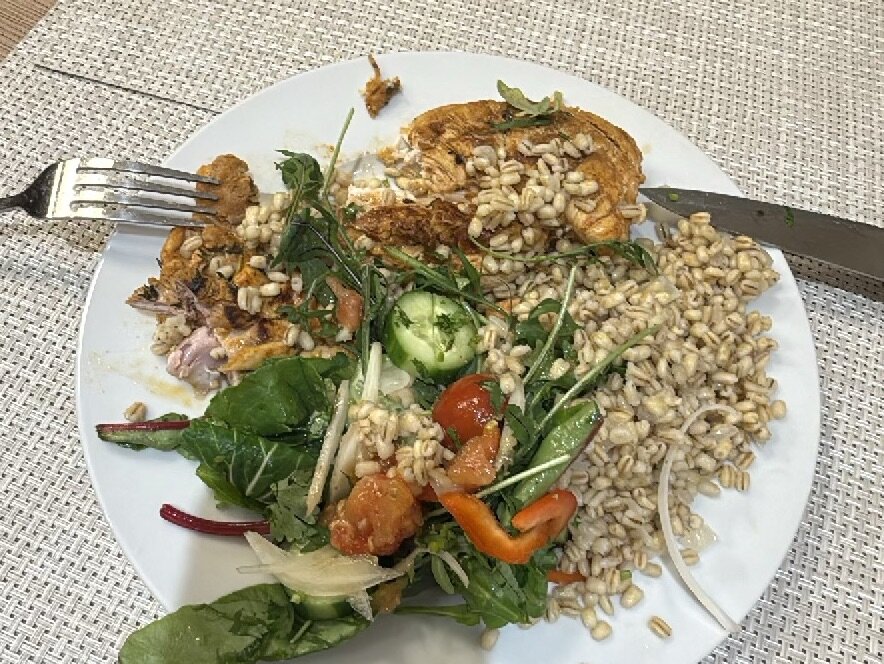
Dinner · Grilled Chicken Barley · 36g protein · 481 cal
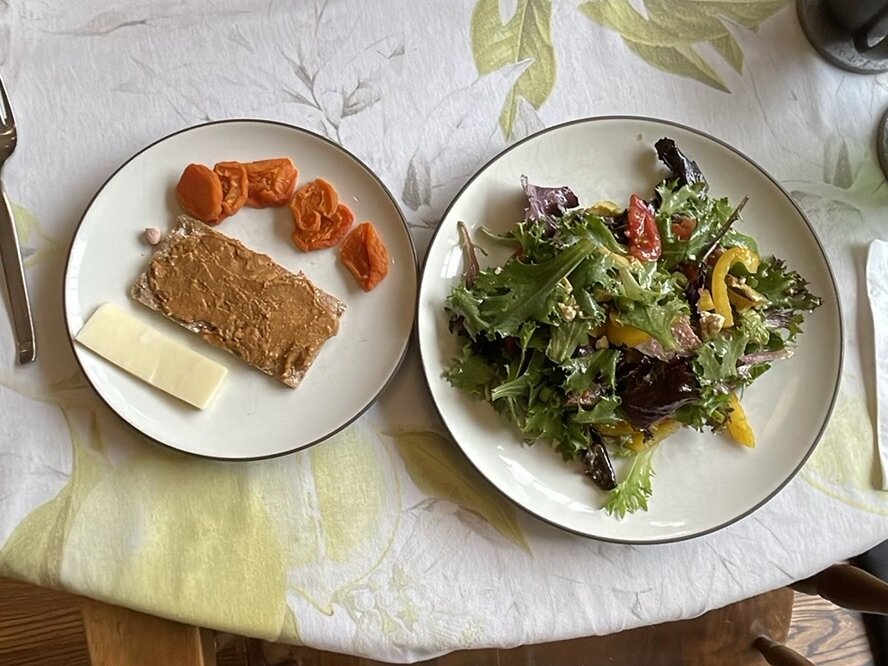
Dinner · Salmon Tuna Poke Bowl · 40g protein · 627 cal
All photos are real meals tracked by FitMate users. Protein and calorie estimates by FitMate AI.
Breaking down the data
The five foods people actually eat
Egg whites dominate breakfast
With 144 appearances and 14g average protein per serving, egg whites are the #1 breakfast protein source in our data. Users pair them with a whole egg or two for flavor. Quick to cook, easy to portion, and nearly zero fat.
Skyr is the sleeper hit
143 appearances, 18g protein per serving. This Icelandic yogurt appears across breakfasts and snacks. Higher protein than Greek yogurt per serving, and users pair it with berries, granola, or protein powder for 30g+ meals.
Cottage cheese for versatility
128 appearances across all meal types. At 17g protein per serving, it shows up in breakfasts, lunches, and snacks. Users eat it plain, with fruit, on toast, or mixed into salads.
Chicken for lunch and dinner
Chicken (116 appearances, 21g avg) and chicken breast specifically (55 appearances, 27g avg) anchor most high-protein lunches and dinners. Grilled chicken (71 appearances, 18g) is the most common dinner prep.
What this means for you
Building your own protein rotation
Related topics
Frequently asked
Common questions about protein foods
Why are the top foods so basic?
Because consistency beats complexity. Our data shows that users who hit protein targets most often eat the same 5-7 foods regularly. The users who constantly try new recipes tend to have more inconsistent protein intake.
Where does salmon rank?
Salmon appears 50 times in our data with 21g average protein — it’s popular but less frequent than eggs, skyr, and cottage cheese, likely because it’s more expensive and requires more prep. When it appears, it’s usually at dinner.
Is tracking with photos accurate enough?
FitMate’s AI estimates are within 10-15% of manual measurement for most meals. For protein tracking, this level of accuracy is more than enough to identify patterns and gaps — which is the real value of tracking.
Want to build your protein rotation?
FitMate’s AI tracks your meals and your coach identifies what’s working. $69/month — first 5 days free.