The short answer
Soluble fiber plus adequate hydration
Your GLP-1 medication slows the movement of food through your digestive system. Fiber without water compounds this problem. The correct approach is increasing both fiber and water simultaneously, and doing it gradually over weeks. Rushing causes bloating and gas that may feel worse than the original constipation.
Why this matters
The constipation problem on GLP-1
24%
of GLP-1 users experience constipation
25-30g
daily fiber target (increase by 5g per week)
64+ oz
minimum daily water intake alongside fiber
Constipation on GLP-1 isn’t a personal failing — it’s a direct effect of how the medication works. The good news is it’s manageable. But the management has to account for the underlying mechanism: slowed digestion requires more aggressive hydration and the right type of fiber.
Practical guidance
How to address GLP-1 constipation
Start with soluble fiber
Oats, chia seeds, psyllium husk, flaxseed, and cooked vegetables. These form a gel that softens stool without the bloating that insoluble fiber causes.
Water is non-negotiable
Fiber without water makes constipation worse. Aim for 64+ oz daily. Add electrolytes if you’re not eating enough food to get them naturally.
Increase gradually
Add 5g of fiber per week, not all at once. Going from 10g to 30g overnight causes severe bloating and gas that may be confused with medication side effects.
Consider a supplement
Psyllium husk (Metamucil) or a prebiotic fiber supplement can fill the gap when appetite makes eating enough fiber-rich foods difficult.
If your situation is different
What to do based on severity
Related topics
From our members
Where members actually get fiber
4.9g
Avg breakfast fiber
8.0g
Avg lunch fiber
8.2g
Avg dinner fiber
Real member meals that pack both fiber and protein:
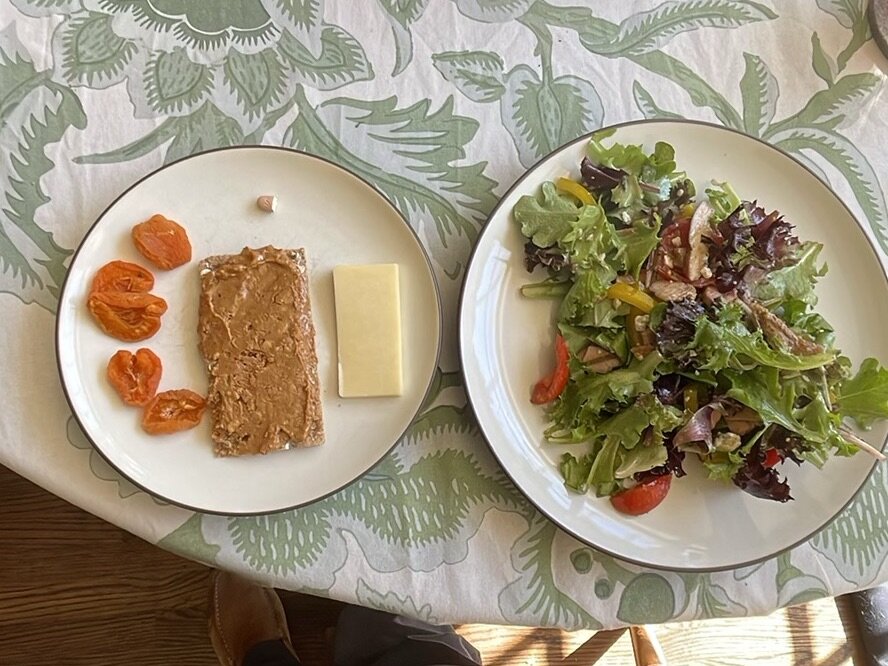
Fiber + protein PB Toast, Cheese & Green Salad · 45g protein · 35g fiber
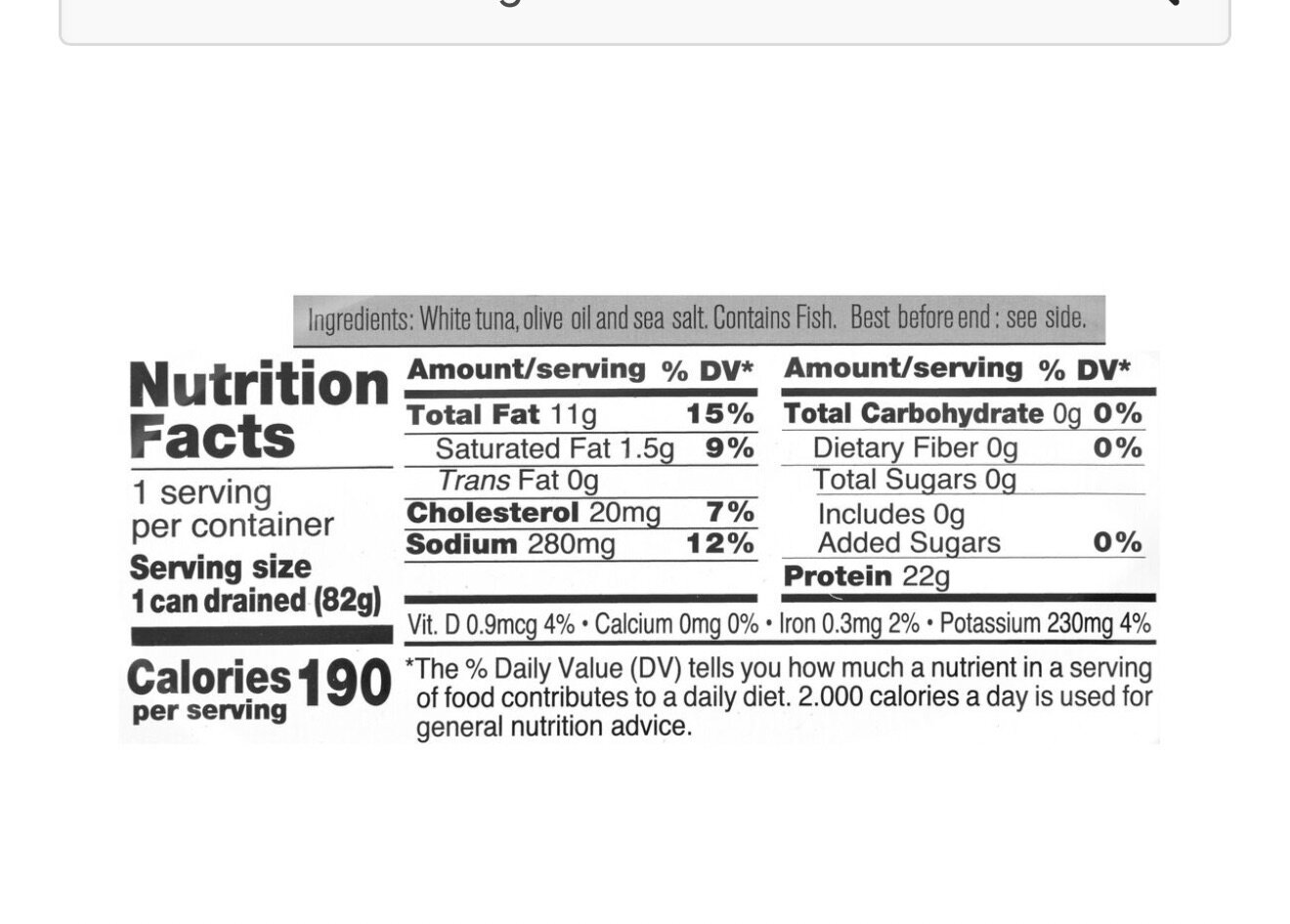
Fiber + protein Canned Tuna Nutrition Label · 33g protein · 29g fiber
Frequently asked
Common questions about fiber on GLP-1
Does coffee help with GLP-1 constipation?
Coffee stimulates gut motility and can help, but it’s also a diuretic. If you drink coffee, add an extra glass of water for each cup. Warm liquids in general tend to help.
Should I take a probiotic?
Emerging evidence suggests probiotics may help with GLP-1-related constipation. Look for strains like Bifidobacterium lactis. It’s not a replacement for fiber and water, but can complement them.
Why did my constipation get worse when I increased fiber?
You likely increased too fast, or didn’t add enough water. Scale back to your previous level, increase water intake, and add 5g of fiber per week maximum.
Struggling with GLP-1 digestive issues?
FitMate tracks your fiber and hydration alongside protein. Your coach adjusts your plan weekly. $69/month — first 5 days free.