Nausea, constipation, and stomach pain are common on Ozempic, Wegovy, and Mounjaro. Learn which foods reduce symptoms — and which make them worse.
The short answer
Diet changes can reduce side effects by 40-60%
These side effects peak in the first 4-8 weeks but can be significantly mitigated through strategic food choices. Rather than suffering through it, the right eating pattern can make the adjustment period tolerable — and often short.
Why this matters
The side effects problem on GLP-1
44%
of GLP-1 users report nausea in the first 4-8 weeks
24%
experience constipation on semaglutide
60%
reduction in symptoms possible through dietary changes
Side effects are one of the biggest reasons people stop GLP-1 medications early or fail to reach therapeutic doses. But unlike the medication effect itself, side effects respond rapidly to dietary intervention. Most people see improvement within days of changing what and how they eat.
Practical guidance
Managing each GLP-1 side effect
For nausea
Eat small, bland meals. Ginger tea, crackers, and room-temperature foods help. Avoid greasy, fried, or heavily spiced foods. Eating too fast or too much at once is the #1 trigger.
For constipation
Increase fiber to 25-30g daily (but gradually — too fast makes it worse). Drink 64+ oz of water daily. Prunes, chia seeds, and leafy greens are your best friends.
For bloating and fullness
Stop eating before you feel full. GLP-1 slows gastric emptying, so fullness hits later. Eat slowly, chew thoroughly, and avoid carbonated drinks.
Meal timing matters
Eat every 3-4 hours in smaller portions rather than 2-3 large meals. This keeps nutrient delivery steady while reducing the GI load per meal.
When to adjust your approach
Managing different symptom levels
Related topics
From our members
What we see when portions shrink
20%
Breakfasts under 200 cal
42%
Snacks under 200 cal
16g
Avg snack protein
Even small meals can pack protein — here’s what members find works on tough appetite days:
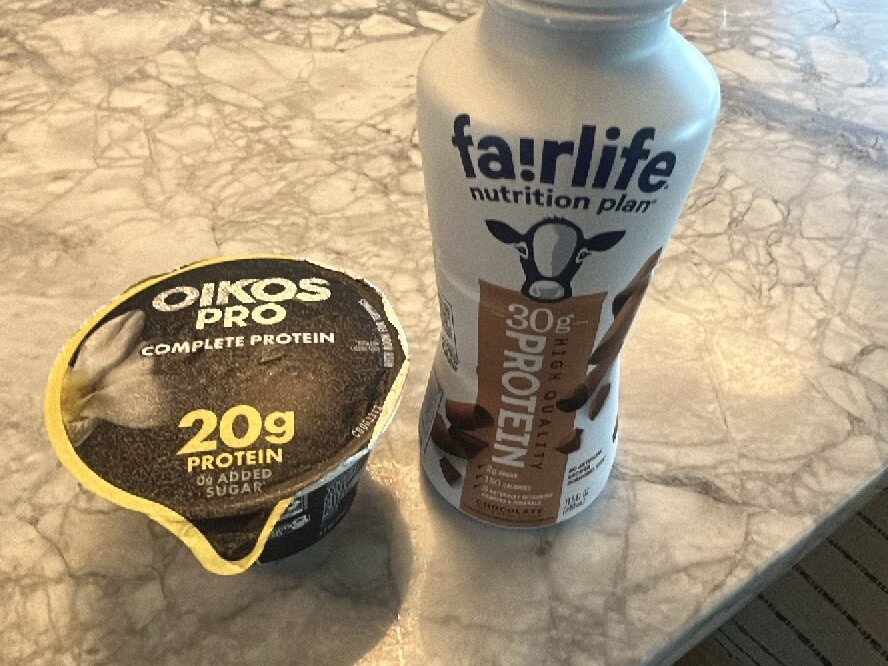
Small but mighty
Protein Berry Yogurt
66g protein, 467 cal
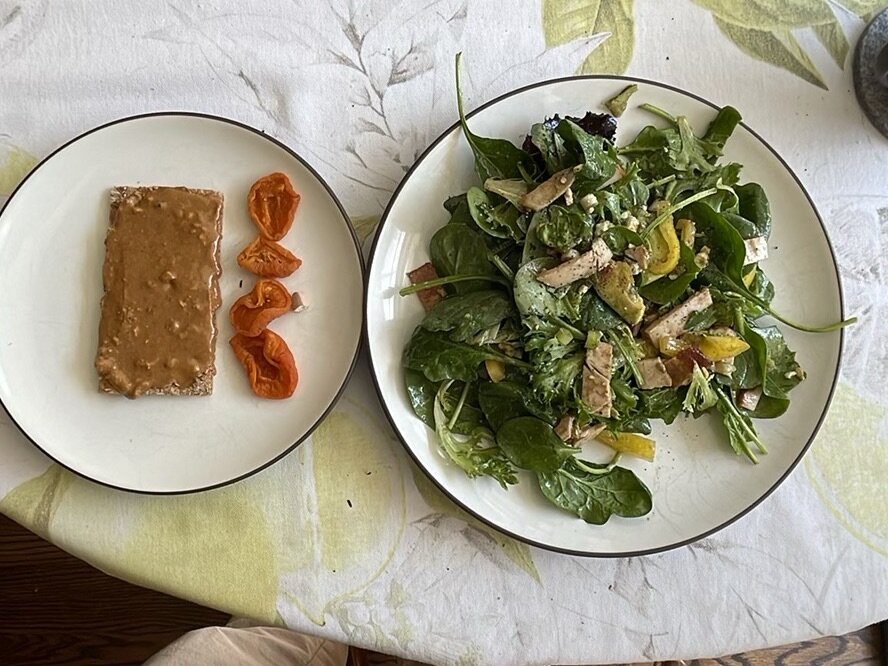
Protein-dense breakfast
PB Toast, Tomatoes & Chicken Salad
61g protein, 740 cal
Frequently asked
Common questions about GLP-1 side effects
How long do GLP-1 side effects last?
Most side effects peak during the first 4-8 weeks and after each dose increase. The majority of people see significant improvement by month 3. Dietary management during this adjustment period makes a meaningful difference in tolerability.
Does eating before or after my injection matter?
Many people find that eating a light, bland meal before their injection day helps reduce nausea. Avoid large, heavy meals for 24 hours after injection. Staying hydrated is especially important on injection day.
Can a nutrition coach help with GLP-1 side effects?
FitMate coaches help you identify which specific foods trigger your symptoms and build a meal pattern that minimizes side effects while maintaining adequate protein and nutrients. Real-time meal tracking catches patterns you’d miss on your own.
Struggling with GLP-1 side effects?
FitMate’s AI identifies your trigger foods and your coach builds a tolerable meal plan. $69/month — first 5 days free.