The short answer
Prioritize nutrient density, not volume
When your appetite is suppressed, the structure of your meals becomes more important than the total calories. Every food choice should deliver multiple nutrients: protein for muscle preservation, fiber for digestive health, and essential fats for hormone production and nutrient absorption.
Why this matters
When you eat less, choice matters more
30-40%
reduction in food intake on GLP-1 medications
2×
more protein needed than most people currently eat
25g+
daily fiber target to support GI health on GLP-1
When appetite drops by a third, a single poor meal choice represents a much larger percentage of your daily nutrition. This means high-calorie foods with no nutritional value (sugary drinks, ultra-processed snacks) aren’t just unhelpful — they actively displace foods that would support your health and goals.
Practical guidance
The four priorities on GLP-1
Protein at every meal
Eggs, Greek yogurt, chicken, fish, cottage cheese, lean beef. Start every meal with protein — when appetite is limited, order of eating determines nutrient quality.
Fiber for GI health
GLP-1 can cause nausea and constipation. High-fiber foods (vegetables, beans, whole grains) help. Aim for 25g+ daily, but increase gradually to avoid worsening GI symptoms.
Don’t fear healthy fats
Avocado, olive oil, nuts, and salmon provide essential nutrients in small portions. Fat is calorie-dense — useful when you can’t eat much volume.
What to minimize
Sugary drinks, ultra-processed snacks, white bread, alcohol. These provide calories without nutrients — and on GLP-1, you can’t afford wasted bites.
Adjust your approach
Different stages need different strategies
Related topics
From our members
How real members eat on GLP-1
24g
Avg breakfast protein
33g
Avg lunch protein
34g
Avg dinner protein
Real member meals that show what a well-balanced GLP-1 day looks like:
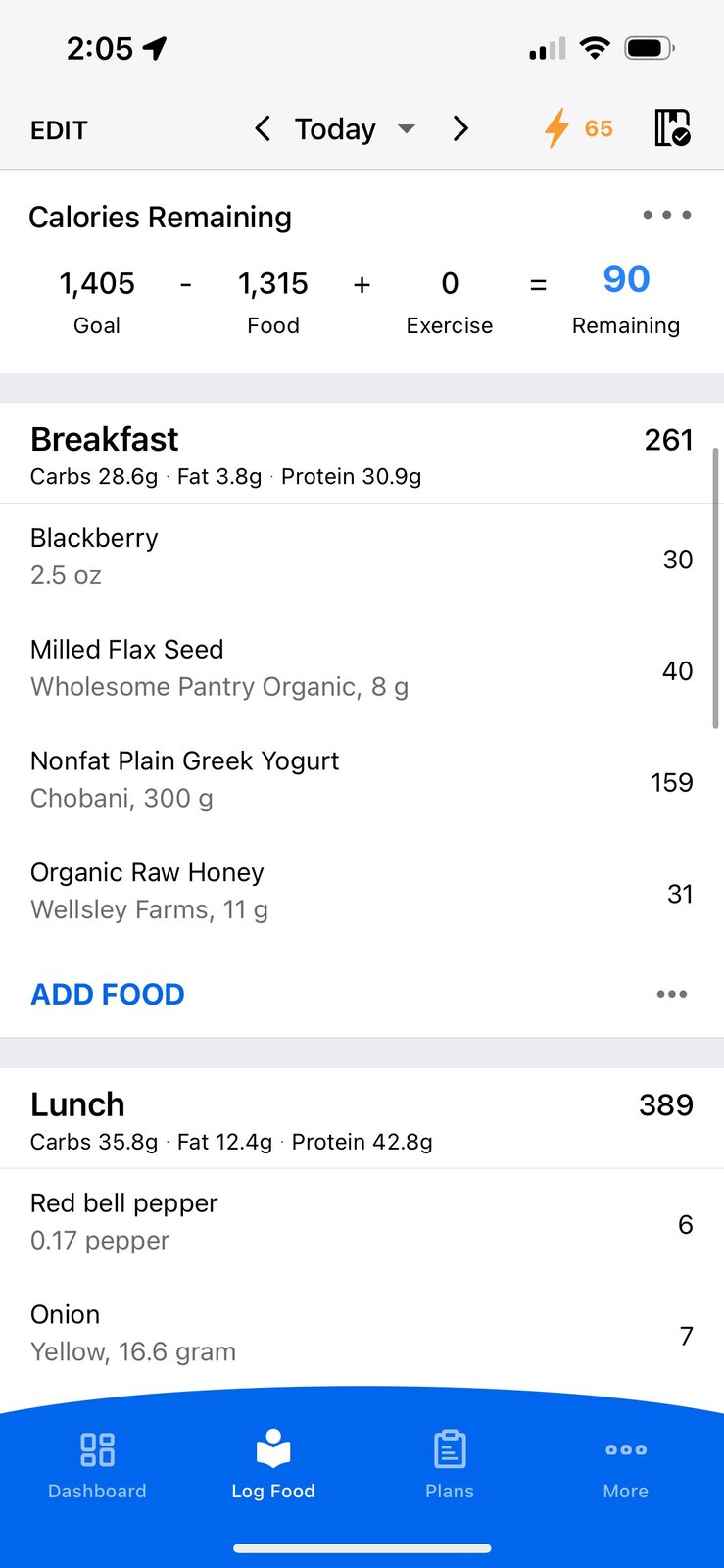
Strong breakfast Meal Tracker Screenshot · 58g protein · 365 cal
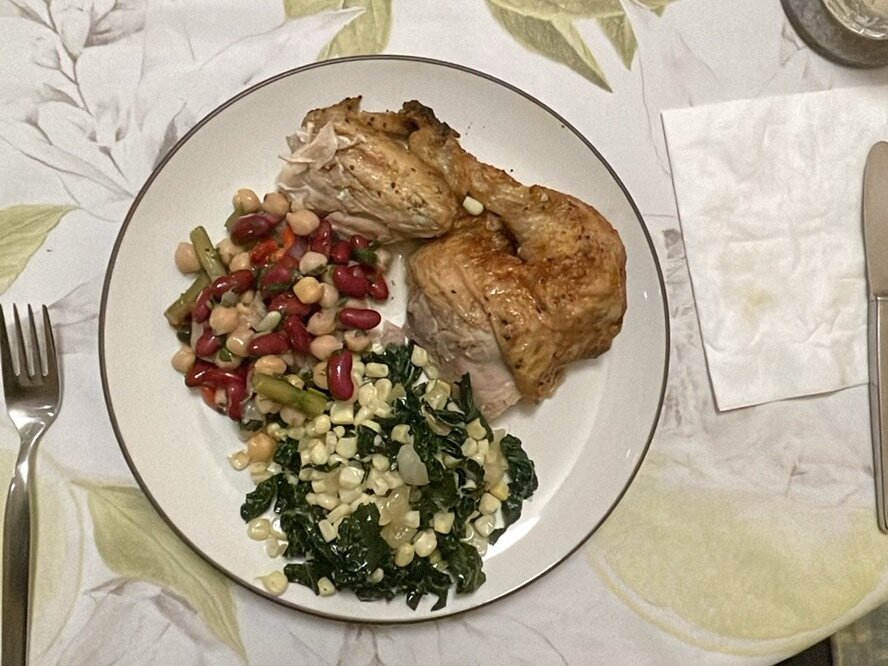
Balanced dinner Roast Chicken Bean Medley · 49g protein · 521 cal
Frequently asked
Common questions about eating on GLP-1
Can I eat carbs on GLP-1?
Yes — carbs aren’t the enemy. But choose nutrient-dense options: sweet potatoes, quinoa, oats, and fruit over white bread and sugary snacks. The key is hitting your protein target first, then filling in with carbs and fats.
Should I take vitamins or supplements on GLP-1?
Because you’re eating less overall, a daily multivitamin is a reasonable safety net. Some people also benefit from vitamin D, magnesium, and a fiber supplement. Talk to your provider about what’s right for you.
How does FitMate help with GLP-1 nutrition?
Snap a photo of every meal and FitMate’s AI instantly estimates protein, calories, and nutrients. Your coach reviews weekly patterns and gives personalized recommendations — not generic diet plans.
Not sure your diet is working for you?
FitMate’s AI analyzes every meal and your coach creates a personalized nutrition strategy. $69/month — first 5 days free.