The biggest surprise in FitMate’s data isn’t that people eat too much — it’s that they eat too little. Across 3,000+ tracked meals, 46% fall below calorie targets. Undereating is nearly twice as common as overeating. Here’s why it matters.
The short answer
You’re probably eating too little
The conventional wisdom says weight loss comes from eating less. But there’s a threshold. Below that threshold, you lose muscle instead of fat — and that’s when your metabolism starts to fail.
What the data reveals
The undereating pattern
46%
of all tracked meals fall below the recommended calorie range
26%
of meals are above range — undereating is nearly 2× more common than overeating
54%
of snacks are below calorie range — the most undereaten meal type
The pattern is consistent: people start the day restrictive, thinking it’s the “smart” approach to weight loss. But that creates a cascading effect. Miss calories at breakfast and lunch, and you’ll either starve at dinner or eat impulsively. Neither outcome is optimal.
Real examples from our data
What below-range meals look like
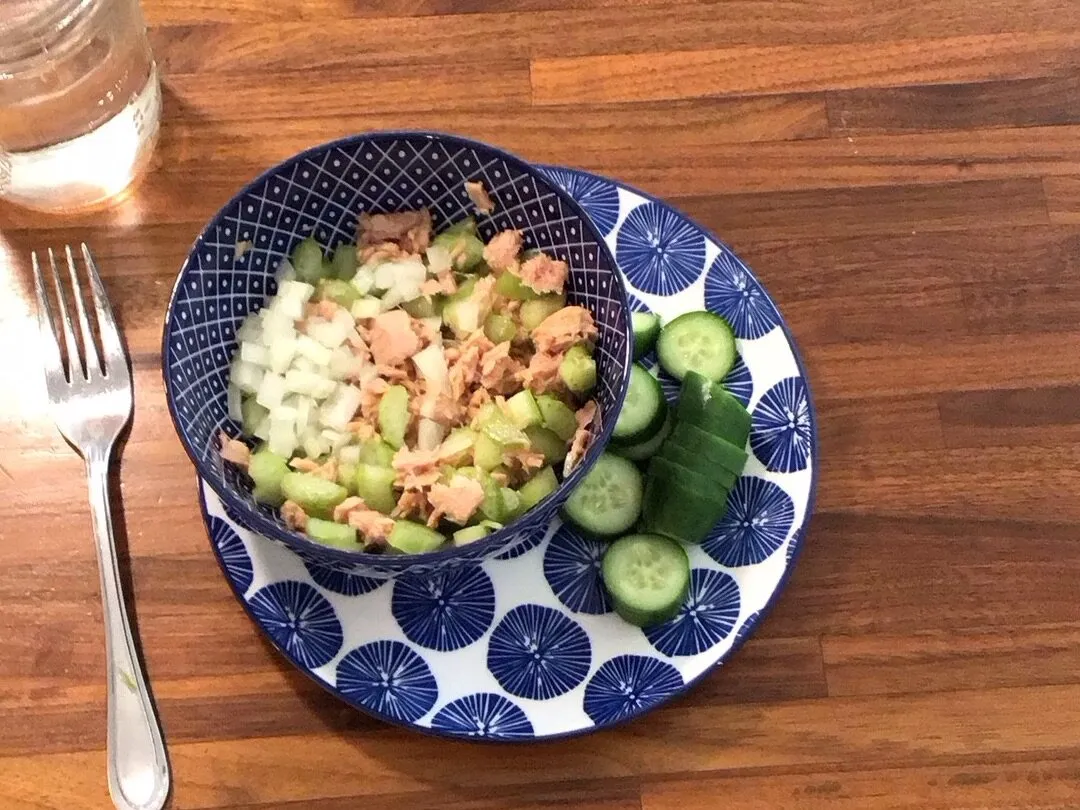
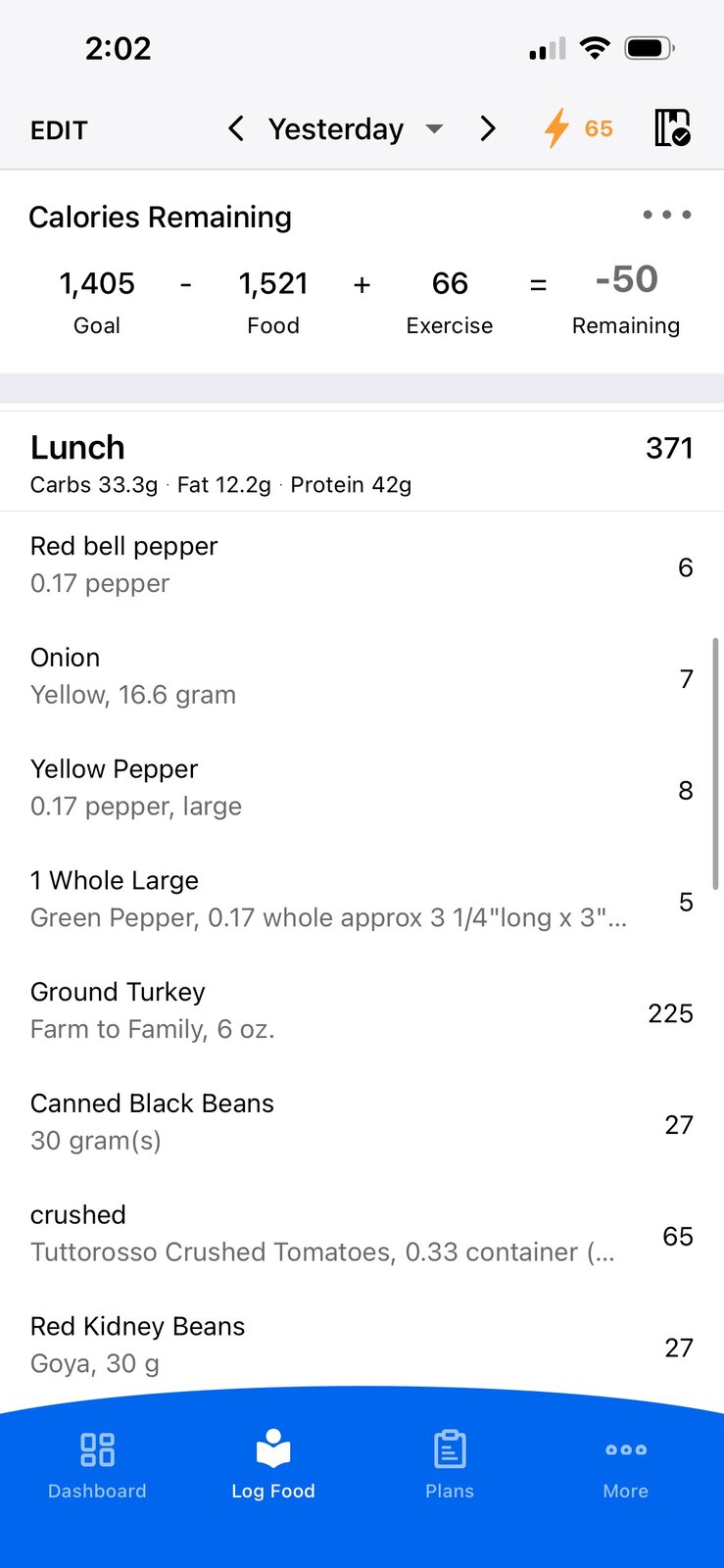
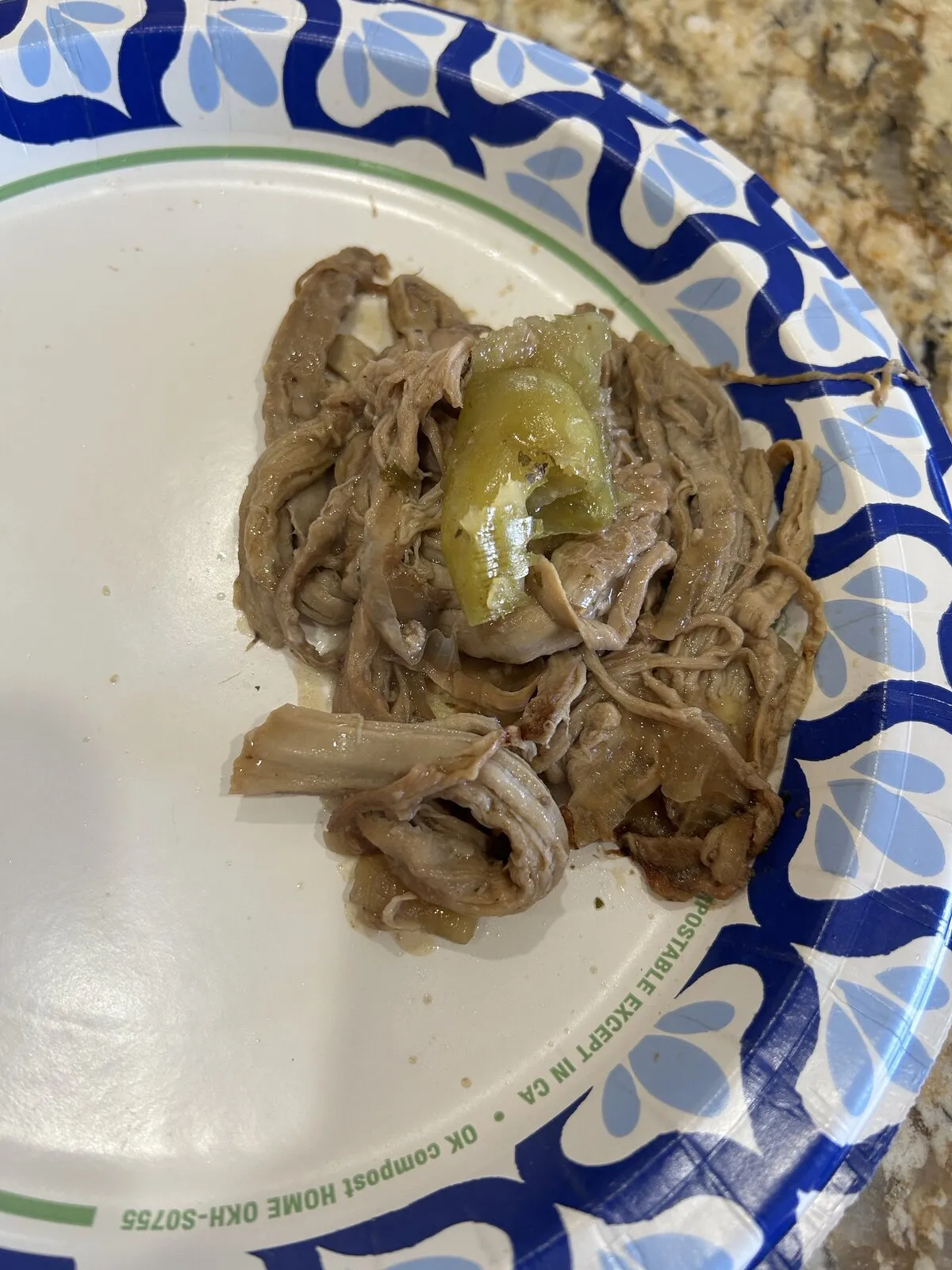
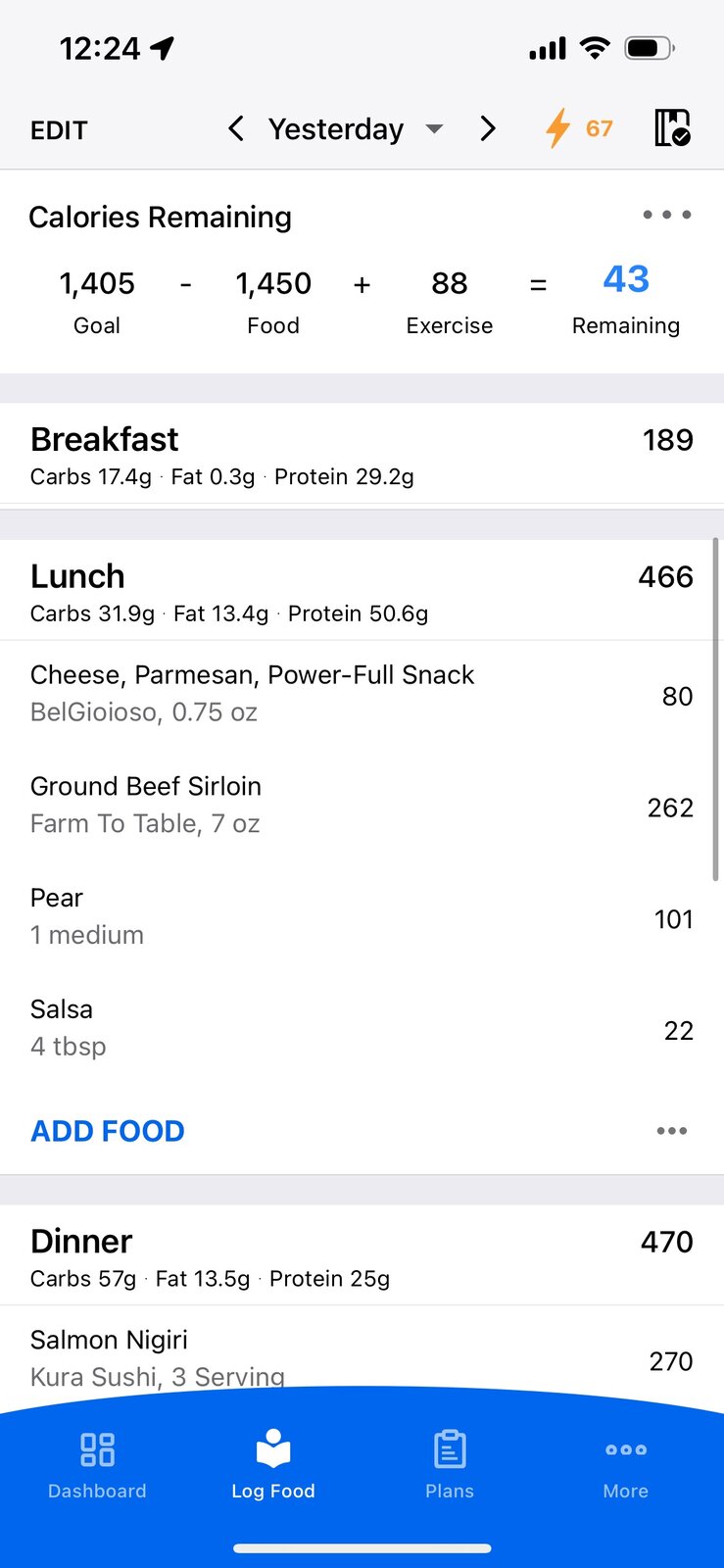
These are real meals that FitMate flagged as below calorie range. They look healthy — and they are — but they’re not enough fuel. Compare them to the balanced meals on the right.
Below range
Tuna Celery Cucumber Bowl
144 cal · 25g protein
On target
Turkey Veggie Bean Bowl
410 cal · 43g protein
Below range
Pepperoncini Roast Beef
105 cal · 11g protein
On target
Chicken & Egg Power Plate
503 cal · 47g protein
All photos are real meals tracked by FitMate users. Calorie and protein estimates by FitMate AI.
Practical guidance
Where undereating happens most
Mornings are the worst
41% of breakfasts and 47% of lunches fall below range. People start restrictive in the morning, thinking it’ll help — but it creates a calorie and protein deficit that compounds through the day.
Dinner compensates but overcorrects
48% of dinners exceed calorie targets. The classic pattern: skip or undereat breakfast and lunch → arrive at dinner ravenous → eat a large, often less-balanced meal. Net result: similar total calories but worse nutrient distribution.
Snacks barely register
54% of snacks are below calorie range, with average protein at just 15g. Many people treat snacks as “extra” when they should be a strategic part of their nutrition plan — especially for protein.
The balance matters more than the total
Two people can eat 1,400 calories per day with completely different outcomes. Person A: 350 cal breakfast + 350 lunch + 350 snacks + 350 dinner (balanced). Person B: 150 breakfast + 200 lunch + 100 snacks + 950 dinner (the pattern we actually see in the data). Same calories, but Person A preserves more muscle and has better energy.
What this means for you
Why the pattern matters
Related topics
Frequently asked
Common questions about calorie intake
How do you define "below range"?
Each FitMate user has personalized calorie and macro targets set by their coach based on their body, goals, and activity level. “Below range” means the meal falls significantly under the per-meal target — not just slightly under. The system flags this to both the user and their coach.
Is undereating really worse than overeating?
For weight loss sustainability, yes. Overeating slows progress, but undereating accelerates muscle loss, which lowers your metabolic rate, which makes future weight loss harder and weight regain more likely. It’s a compounding problem.
What should I do if I'm consistently undereating?
Start by tracking for one week to see the actual numbers. Most undereaters are surprised by how little they consume. Then focus on adding calorie-dense, protein-rich foods to breakfast and snacks — the two meal types where the gaps are largest.
Are you eating enough to lose weight?
FitMate’s AI catches undereating patterns in your first week. $69/month — first 5 days free.