FitMate’s AI analyzed 3,000+ real meals and found a consistent pattern: breakfast averages 24g protein, snacks just 15g, and dinner — where people try to compensate — averages 34g. Here’s what the data shows.
The short answer
The daily protein shortfall is real
Most people think they eat enough protein. They don’t. The data makes it clear: distributed across meals, most people fall 15-25g short of what their body needs for healthy weight loss and metabolic function.
The data breakdown
Where the protein gap starts
24g
average protein at breakfast across 1,000+ tracked breakfasts
36%
of all breakfasts contain under 20g of protein
15g
average protein per snack — less than half a chicken breast
The breakfast problem is the biggest driver of daily protein shortfall. When people miss protein in the morning, no amount of dinner can fully compensate. Your body can only synthesize 30-40g of protein per meal for muscle building. A 60g protein dinner alone won’t fix a 40g deficit from breakfast and snacks.
Real meals from real users
The protein gap in action
These are actual meals tracked by FitMate users. Same meal type, completely different protein outcomes. The photos on the left show typical low-protein breakfasts. The photos on the right show what 30g+ protein breakfasts look like in practice.
Breakfast: low protein vs. high protein
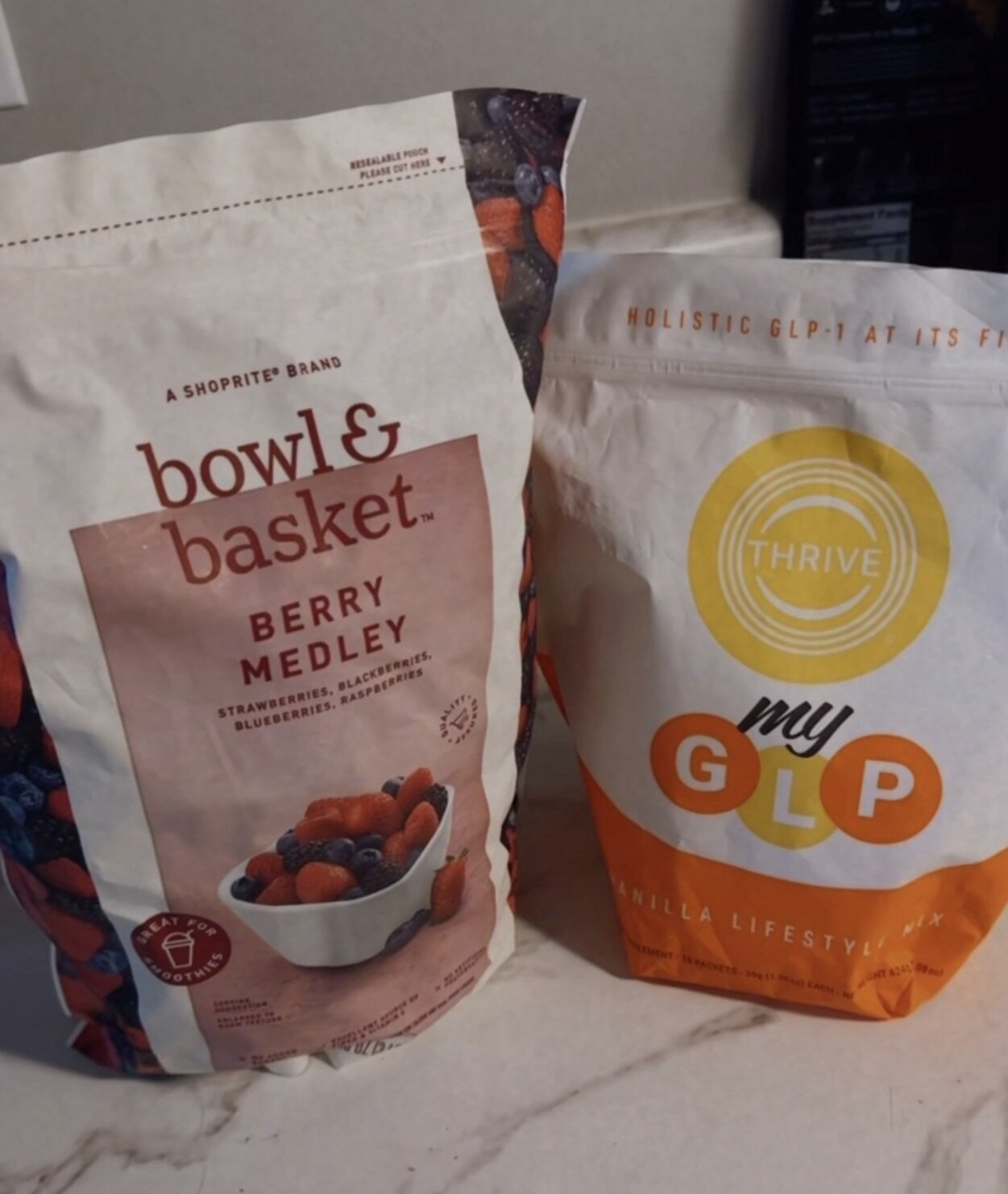
Protein gap · Berry Medley Vanilla Shake · 11g protein · 177 cal
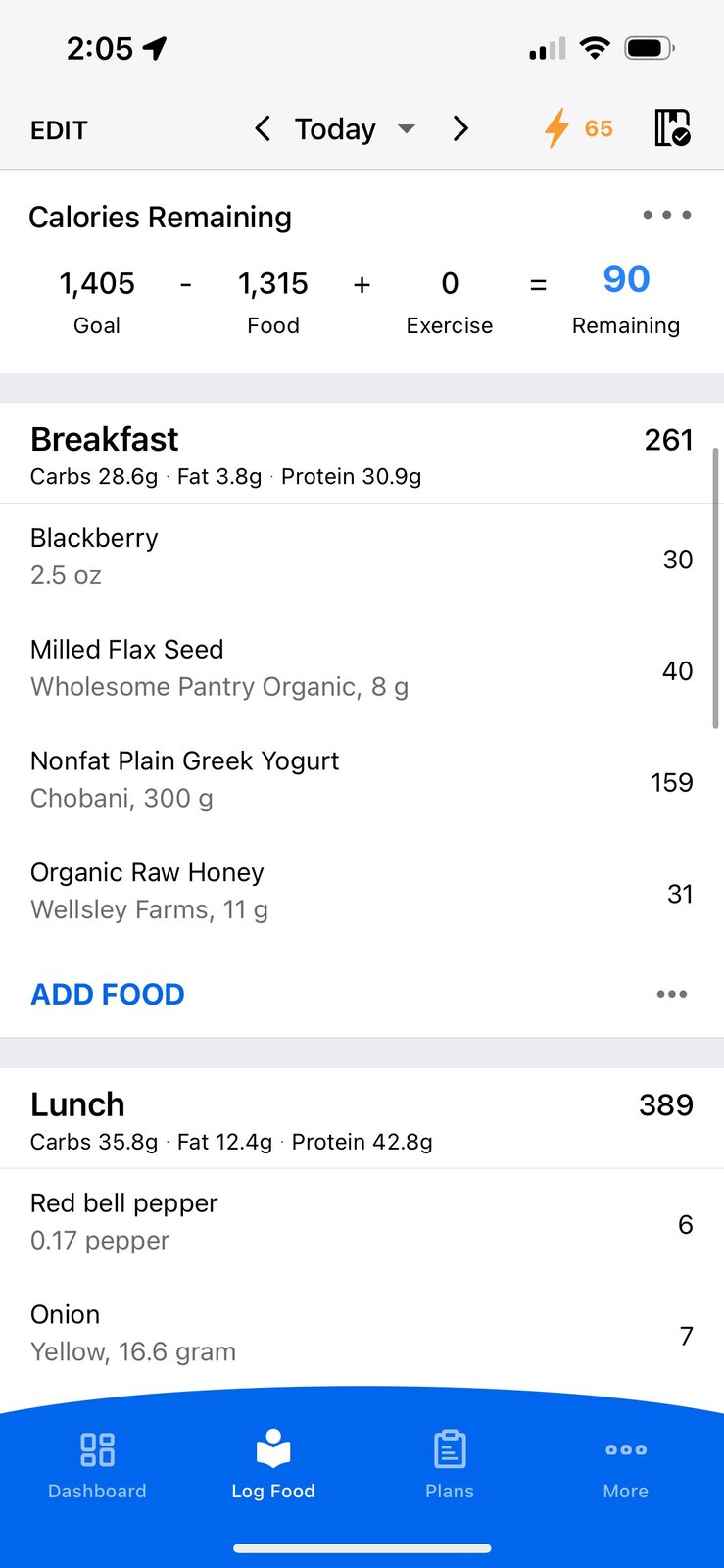
On target · Meal Tracker Screenshot · 58g protein · 365 cal
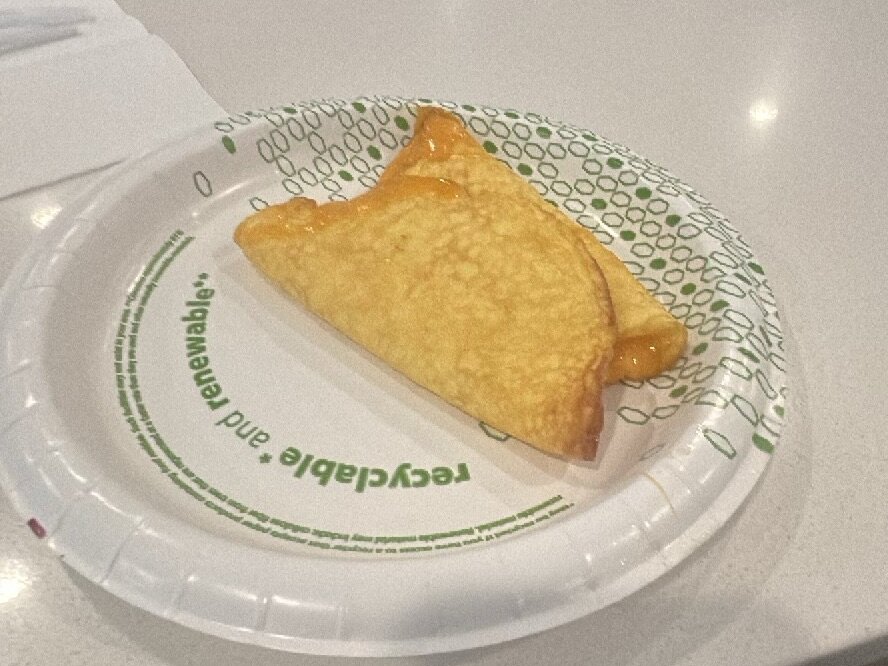
Protein gap · Cheese Turnover Snack · 6g protein · 380 cal
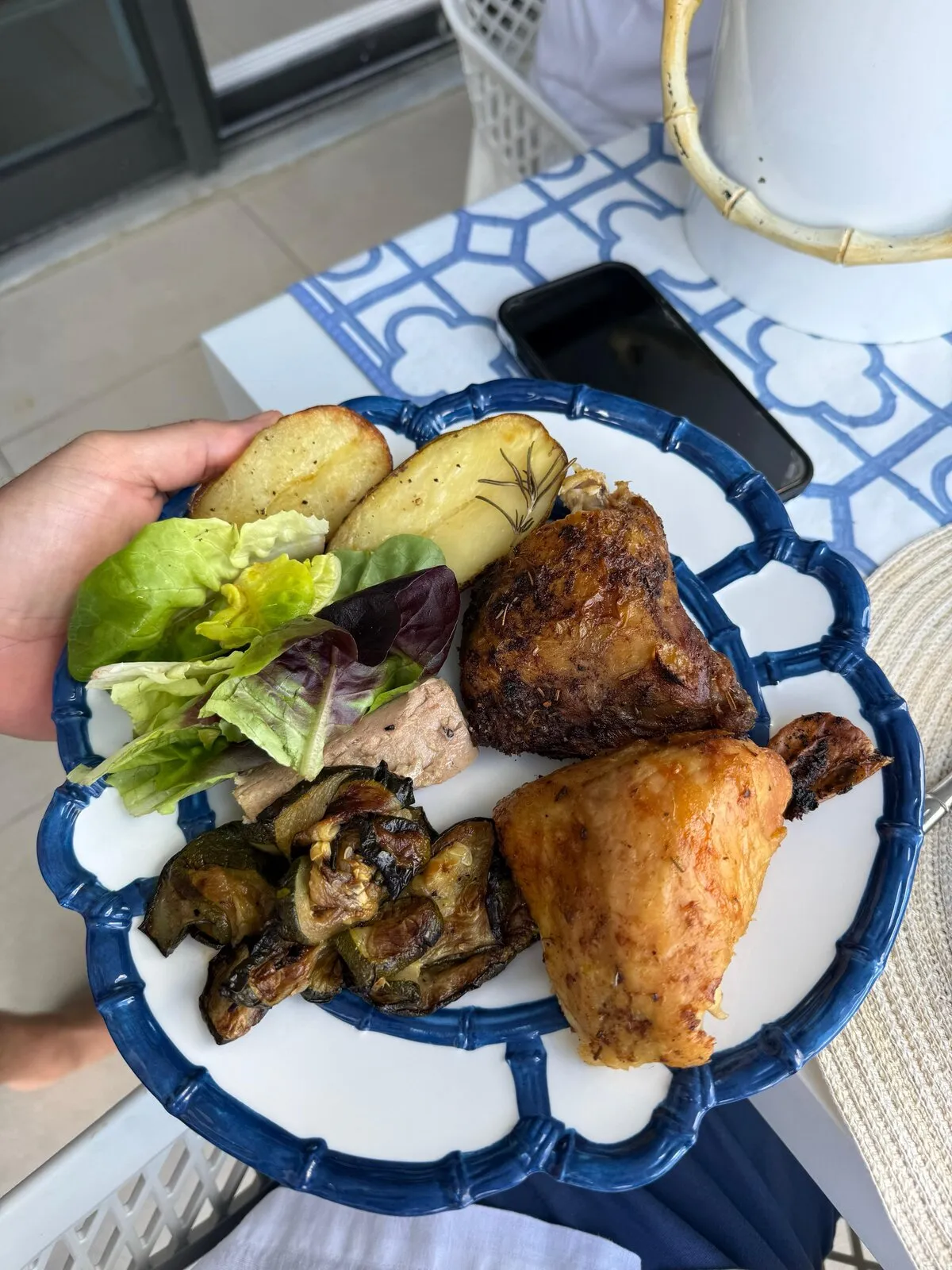
On target · Roast Chicken, Potatoes & Roasted Veg · 62g protein · 856 cal
Lunch & dinner: what 30g+ protein looks like
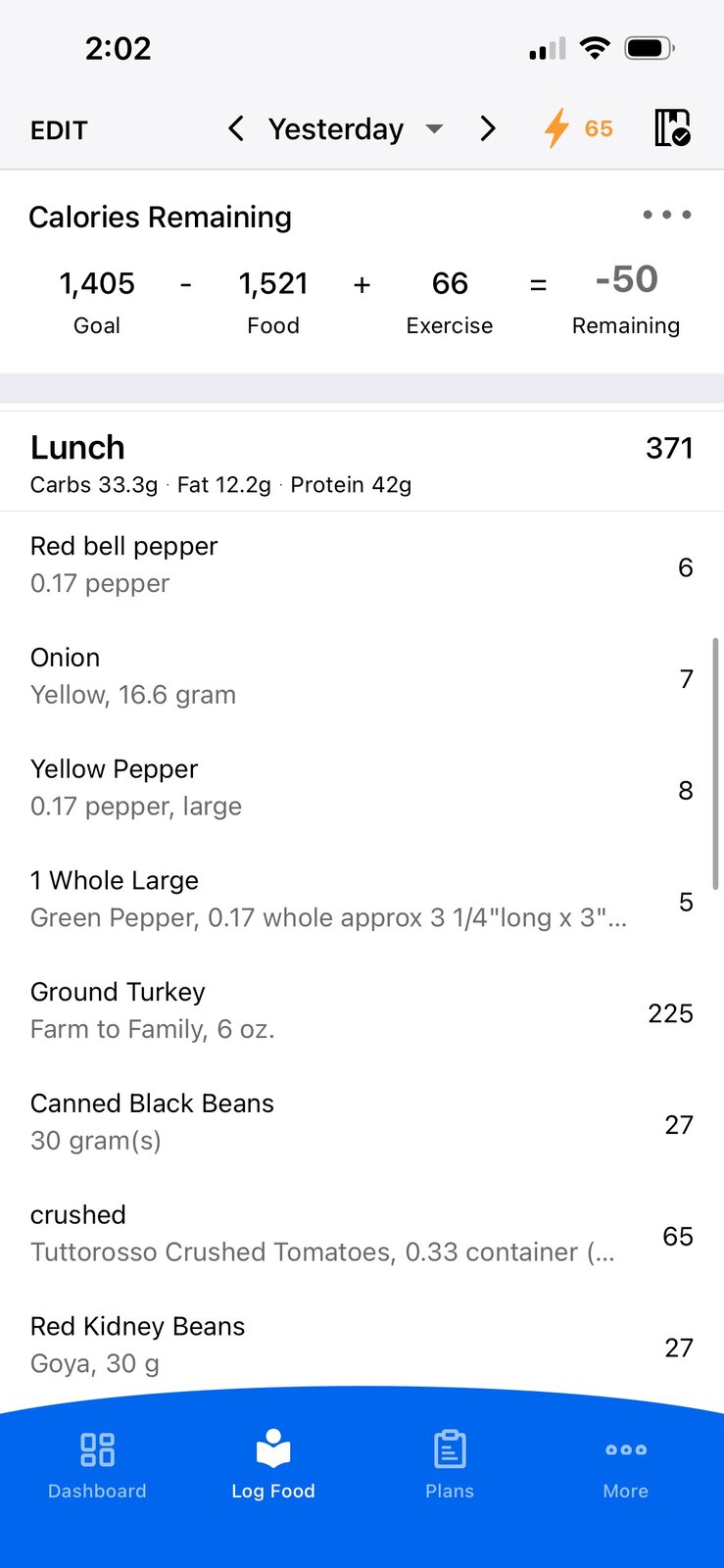
On target · Turkey Veggie Bean Bowl · 43g protein · 410 cal
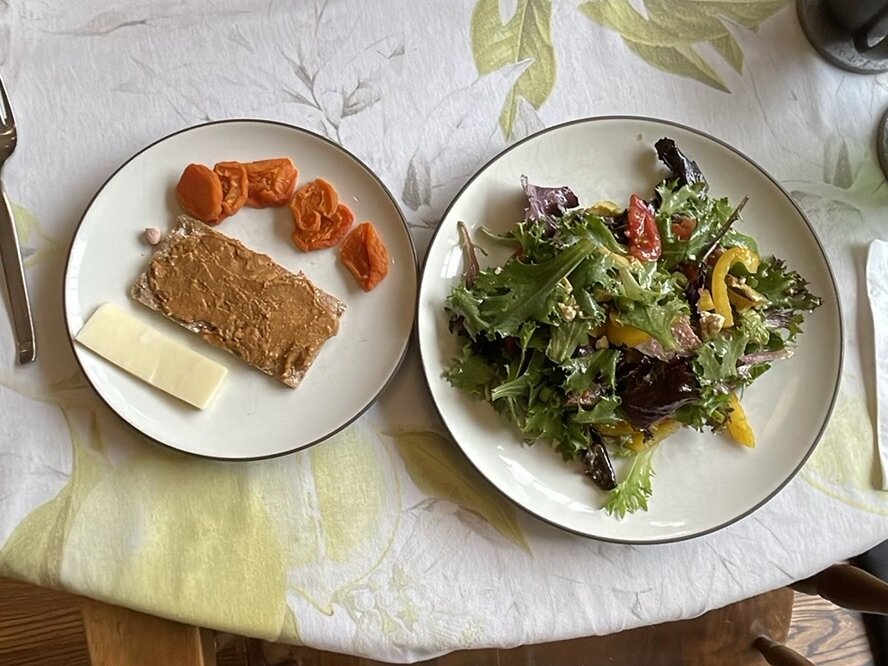
On target · Salmon Tuna Poke Bowl · 40g protein · 627 cal
All photos are real meals tracked by FitMate users. Protein and calorie estimates by FitMate AI.
Practical guidance
How to close your protein gap
The breakfast problem
36% of tracked breakfasts have under 20g protein. The most common breakfast ingredients? Apple (200 appearances) and banana (184) — great for vitamins, terrible for protein. Users who hit 30g+ at breakfast use egg whites, skyr, cottage cheese, or protein powder.
The snack blind spot
Snacks average only 15g protein, but users with high-protein snack goals (20g+) found them the hardest to hit — only 4-12% success rate initially. The most effective snack swaps: Greek yogurt, cottage cheese, or a protein shake instead of fruit or granola alone.
The dinner overcorrection
Dinner averages 34g protein and is the most likely meal to be above calorie range (48% of dinners exceed targets). People undereat during the day, get hungry at night, and pack in calories at dinner — but even large dinners can’t fix a 40g protein deficit from breakfast and snacks.
The healthy meal signal
Meals rated “healthy” by FitMate’s AI average 46g protein at lunch vs 31g for meals rated less optimal. The single biggest predictor of whether a meal scores well isn’t calories or portion size — it’s protein content.
Common beliefs vs. data
What the data actually shows
Related topics
Frequently asked
Common questions about protein gaps
How was this data collected?
Users photograph their meals using the FitMate app. Our AI analyzes each photo to estimate protein, calories, fiber, and portion sizes, then breaks down individual ingredients. All data is anonymized and aggregated — no individual meals or users are identified.
Does this apply to people on GLP-1 medications?
The patterns are similar but more extreme. GLP-1 users typically eat even less at breakfast due to suppressed appetite, making the protein gap wider. Our GLP-1-specific pages cover those nuances in detail.
What's the fastest way to close the protein gap?
Based on our data, the highest-impact single change is adding a protein source to breakfast. Swapping from a fruit-only or toast-based breakfast to eggs, skyr, or a protein shake closes 15-20g of the daily gap with one meal change.
Curious where your protein gaps are?
FitMate’s AI finds them in your first week of tracking. $69/month — first 5 days free.