Weight Loss · By Alon Laniado
GLP-1 drugs get the headlines, but lifestyle changes still work for most people. Here’s what the evidence actually says about protein, strength training, and when medication is worth considering.
Why is weight loss so hard without medication?
Insulin resistance is one of the most common barriers. Your body produces more insulin to process the same amount of glucose. Elevated insulin promotes fat storage — particularly around the abdomen — and makes it harder for your body to use stored fat for energy.
Metabolic adaptation means your body actively fights back when you cut calories. Your metabolism slows, hunger hormones increase, and your body becomes more efficient at storing energy. This is why aggressive dieting often backfires.
Chronic low-grade inflammation — from poor sleep, stress, or ultra-processed foods — disrupts metabolic signaling and can make your body more resistant to the hormonal signals that normally regulate hunger and energy balance.
88%
Of Americans have some metabolic dysfunction
5-10%
Weight loss improves most health markers
80%
Of weight loss comes from nutrition
How much protein do you need to lose weight?
Aim for 1.2-1.6g per kg of body weight
That’s roughly 25-40g of protein per meal across 3-4 meals. Most people who track their intake discover they’re only getting 40-60g per day when they need 80-120g.
Easy high-protein wins
Greek yogurt (15-20g per cup), eggs (6g each), canned fish (20-25g per can), cottage cheese (14g per half cup), and protein shakes (25-30g) — all work when appetite is low.
Track it for 3 days first
Before changing anything, just measure your current intake. The gap between where you are and where you need to be will tell you exactly what to focus on.
Should you cut carbs to lose weight?
A practical plate model: fill half your plate with vegetables, a quarter with protein, and a quarter with complex carbs like sweet potatoes, brown rice, or quinoa. This naturally moderates your carb intake without the mental burden of counting or restricting.
Balanced meals that actually keep you full
Theory is one thing — but what does a high-protein, balanced meal actually look like? Here are real meals from FitMate members that hit the right targets:
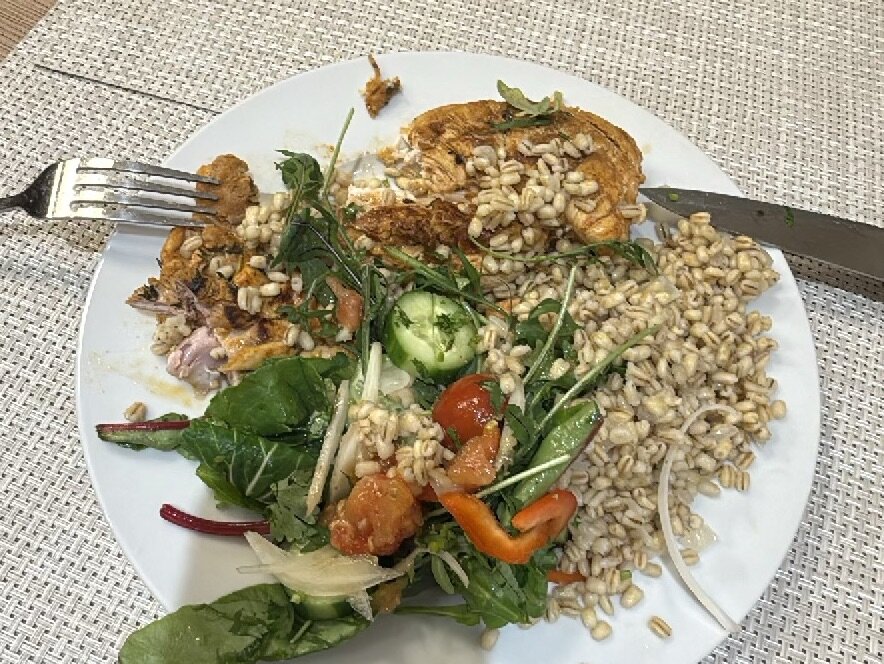
High protein lunch
Grilled Chicken, Barley & Salad
36g protein · 481 cal · 8g fiber
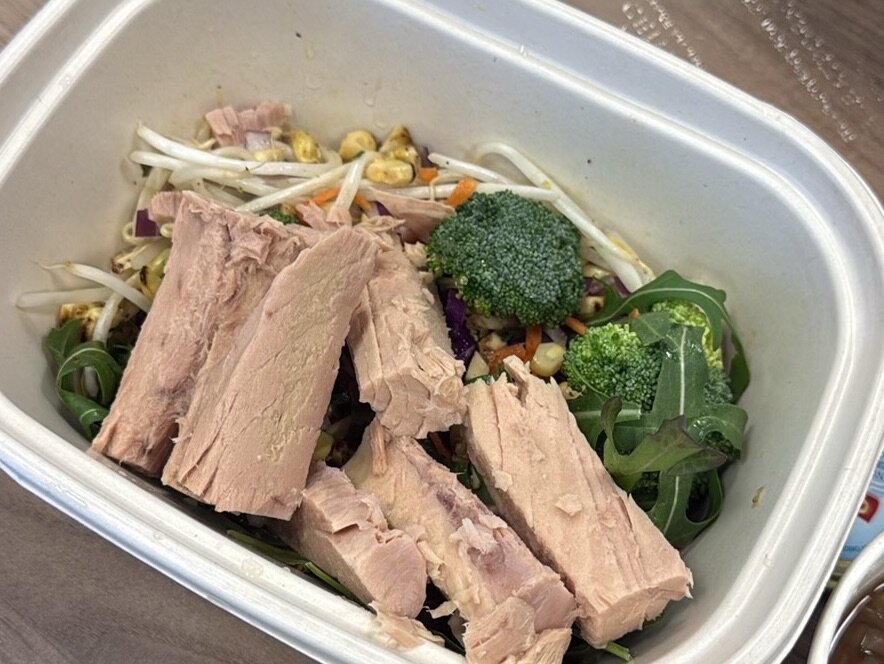
Balanced dinner
Tuna & Veggie Salad Bowl
38g protein · 320 cal · 6g fiber
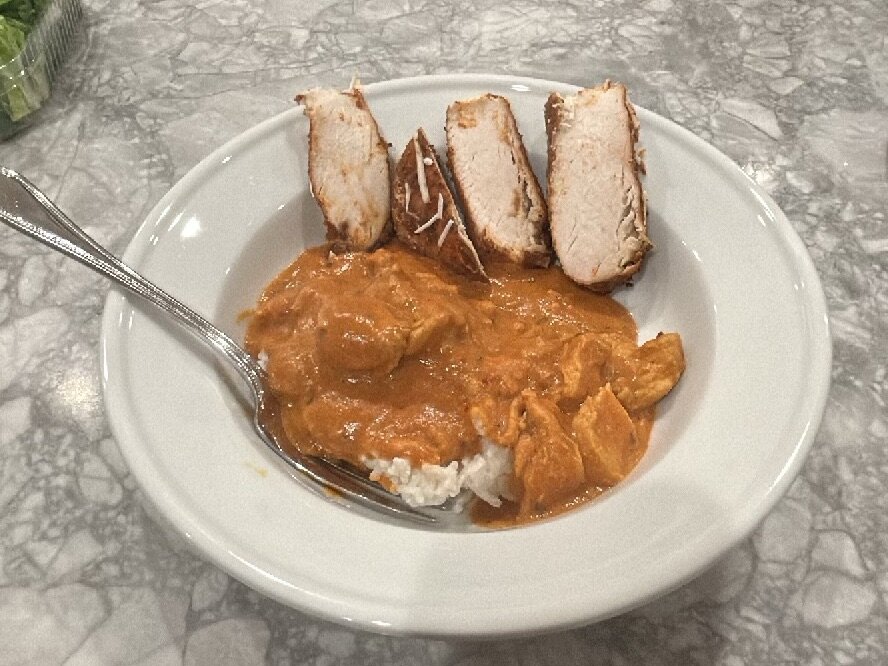
High fiber dinner
Chicken Tikka with Rice
48g protein · 499 cal · 7g fiber
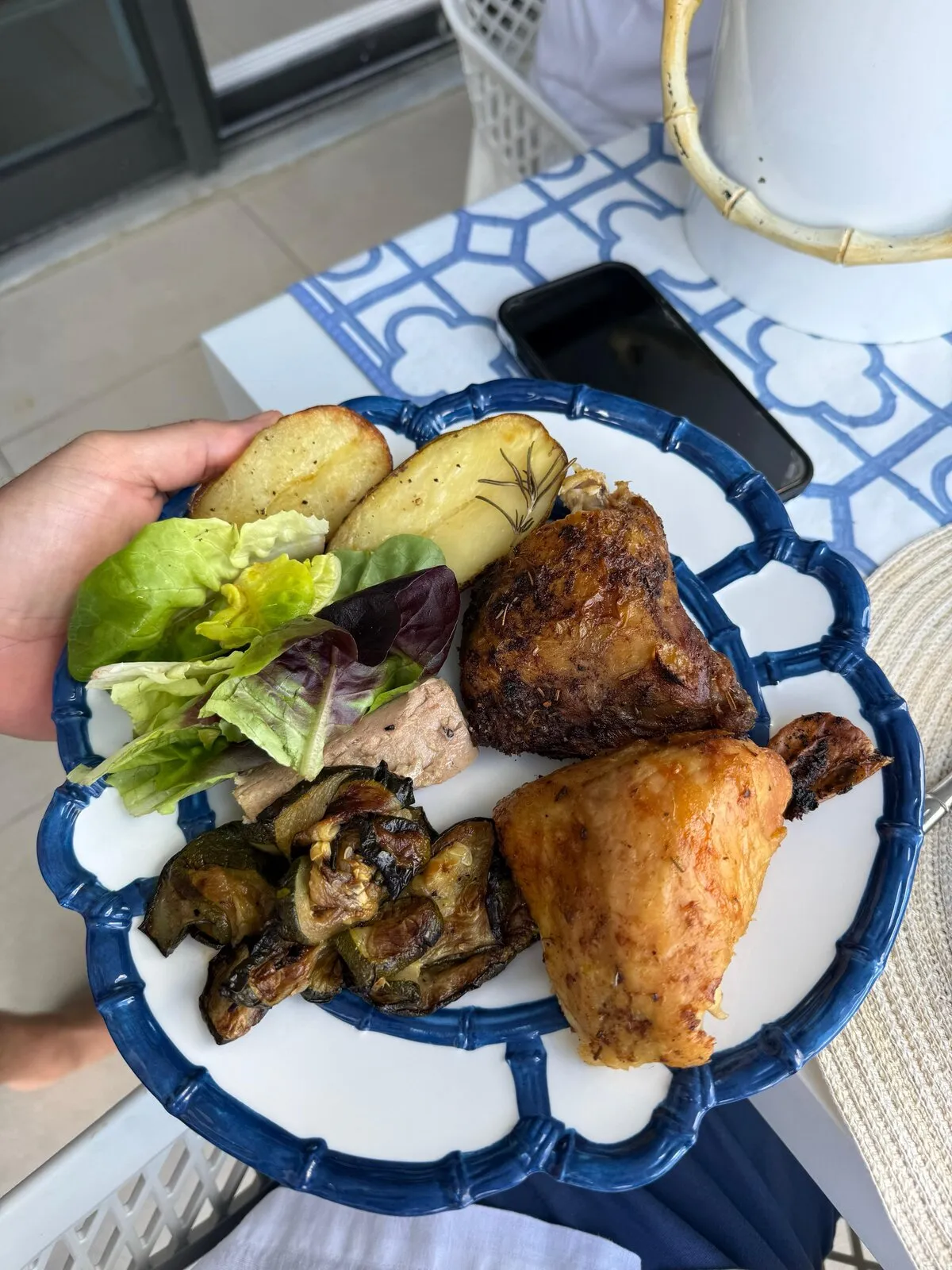
Lean & filling
Roast Chicken, Potatoes & Veg
43g protein · 405 cal · 6g fiber
What exercise is best for weight loss?
When your muscles are stronger and more metabolically active, they pull more glucose from your bloodstream without needing as much insulin. This directly addresses one of the root causes of weight gain and metabolic dysfunction.
Starting point
2-3 strength training sessions per week focusing on compound movements (squats, deadlifts, rows, presses), plus daily walking — aim for 7,000-10,000 steps.
Add cardio if you enjoy it
1-2 moderate cardio sessions per week on top of strength training is great. But don’t make cardio the centerpiece — the metabolic benefits of muscle matter more for long-term weight management.
How do stress and sleep affect weight loss?
The person who sleeps 8 hours and manages stress but eats imperfectly will often see better results than the person with a “perfect” diet who’s chronically stressed and sleep-deprived.
When should you consider GLP-1 medication?
Research shows that even a modest 5-10% reduction in body weight — whether achieved through lifestyle changes or medication — meaningfully improves metabolic health markers. The question isn’t lifestyle vs. medication. It’s: which combination is right for your situation?
How to decide which approach is right
If after 3 months of genuine consistency you’re not seeing meaningful progress, that’s a good signal to talk to your doctor about medication. And if you’re already on a GLP-1, the lifestyle strategies above will amplify your results and help you maintain them long-term. The two approaches are complementary, not competing.
Week-one action plan
Track your current protein for 3 days. Add one protein-rich food to each meal. Do two 30-minute strength sessions. Aim for 7,500 steps daily. Set a consistent bedtime. Don’t try to overhaul everything at once — small, sustainable changes beat aggressive short-term plans every time.
GLP-1 nutrition guide
If you’re considering or already on medication
Protein targets on GLP-1
How much you really need
Already on GLP-1?
How Fitmate supports GLP-1 users specifically
Hate calorie counting?
Weight loss without tracking every bite
Frequently asked questions about weight loss
Can you lose weight without GLP-1 medication?
Yes, many people do — but it requires a targeted approach. Strategies that improve insulin sensitivity (high protein intake, strength training, reducing refined carbohydrates) tend to be more effective than generic calorie-cutting. The key is consistency over 8-12 weeks with measurable targets.
How much protein do I need for weight loss?
Aim for 1.2-1.6g per kilogram of body weight, or roughly 25-40g per meal across 3-4 meals. Protein helps with satiety, supports muscle mass during weight loss, and produces a lower insulin response compared to carbohydrates. Most people are significantly under-eating protein.
Is Ozempic or Mounjaro worth it for weight loss?
GLP-1 medications can be effective because they address insulin resistance and reduce appetite through biological mechanisms. They’re not a replacement for lifestyle changes, but a powerful complement when diet and exercise alone aren’t producing results after 3+ months of genuine consistency.
What exercise is best for weight loss?
Strength training is generally more effective than cardio alone because it directly improves insulin sensitivity and builds metabolically active muscle tissue. Aim for 2-3 strength sessions plus 7,000-10,000 daily steps. Add cardio if you enjoy it, but don’t make it the centerpiece.
Why is weight loss so hard?
Weight loss difficulty often comes down to insulin resistance, metabolic adaptation, and inflammation — not willpower. Your body actively fights calorie restriction by slowing metabolism and increasing hunger hormones. That’s why targeted strategies (protein, strength training, sleep) work better than just “eating less.”
Alon Laniado

Founder, FitMate Coach
Alon is the founder of FitMate Coach, which provides 1:1 weight loss coaches helping people stick to their plan. He is certified in Nutrition with Stanford University School of Medicine and with Precision Nutrition, and is a certified Health & Wellness Coach and Personal Trainer with the American Council on Exercise.
He is the author of Focus on Fullness: A Playbook for Weight Loss That Works and Lasts, based on the analysis of 50,000+ daily food logs and 200,000+ coaching conversations.
Keep reading
The Complete GLP-1 Nutrition Guide
Protein targets, meal timing, and data from 3,000+ tracked meals
How Much Protein on GLP-1?
Why your needs change on medication — and how to hit them
Body Recomposition on GLP-1
Lose fat and preserve muscle while on medication
Preventing Weight Regain
What research says about maintaining loss after GLP-1
GLP-1 and Muscle Loss
Up to 40% of weight lost can be muscle — here’s how to prevent it
Strength Training on GLP-1
The exercise strategy that makes the biggest difference
Ready to take a targeted approach?
FitMate Coach builds personalized nutrition plans — AI-powered meal tracking, protein monitoring, and coaching that understands your metabolism.