Why foods high in fat can quietly stall weight loss — and what the science says about calorie density, satiety, and the 9-calorie-per-gram problem.
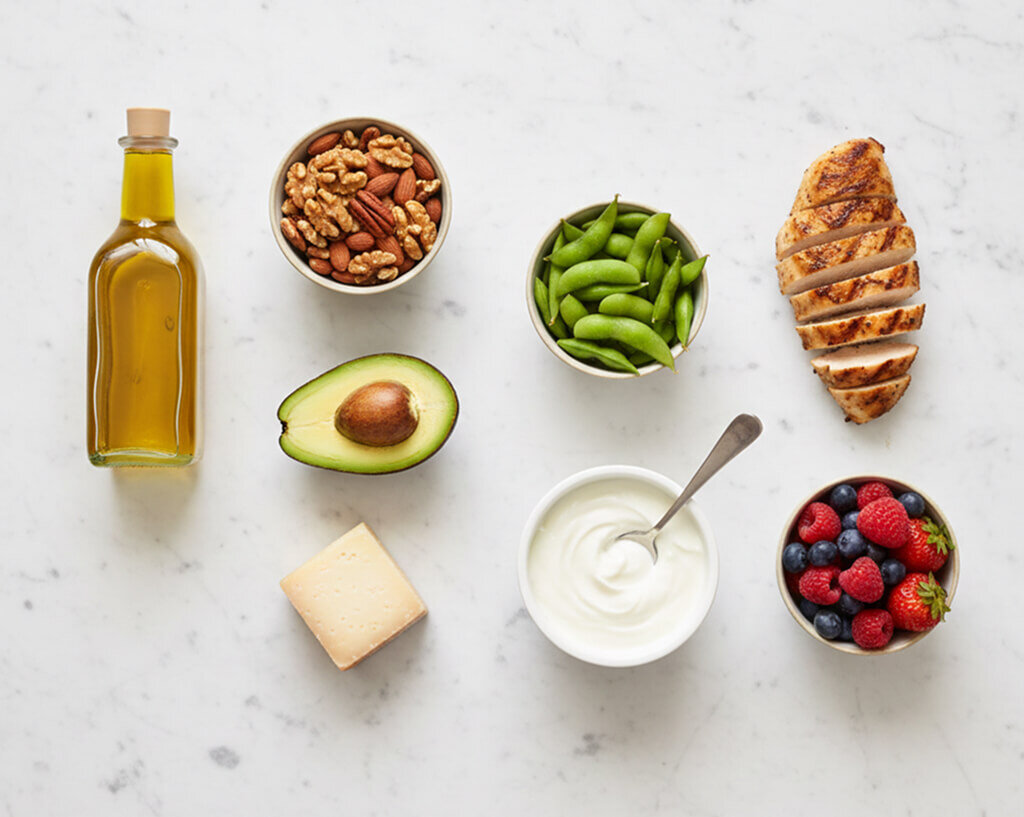
Many “healthy” foods are calorie-dense because of their fat content. Lean protein and fiber alternatives provide more fullness per calorie.
What Are Hidden Calories?
Hidden calories are calories in foods or food preparation methods that people tend to underestimate or overlook. They are “hidden” not because they are invisible on a nutrition label, but because people consume them in larger quantities than they realize or do not account for them when estimating daily intake.
Research consistently shows that most people underestimate their calorie intake by 30–50%. The largest contributor to this gap is dietary fat — specifically cooking oils, butter, dressings, sauces, cheese, nuts, and fatty meats. These are the categories where portion sizes are hardest to judge visually and where “healthy” labeling creates a false sense of calorie safety.
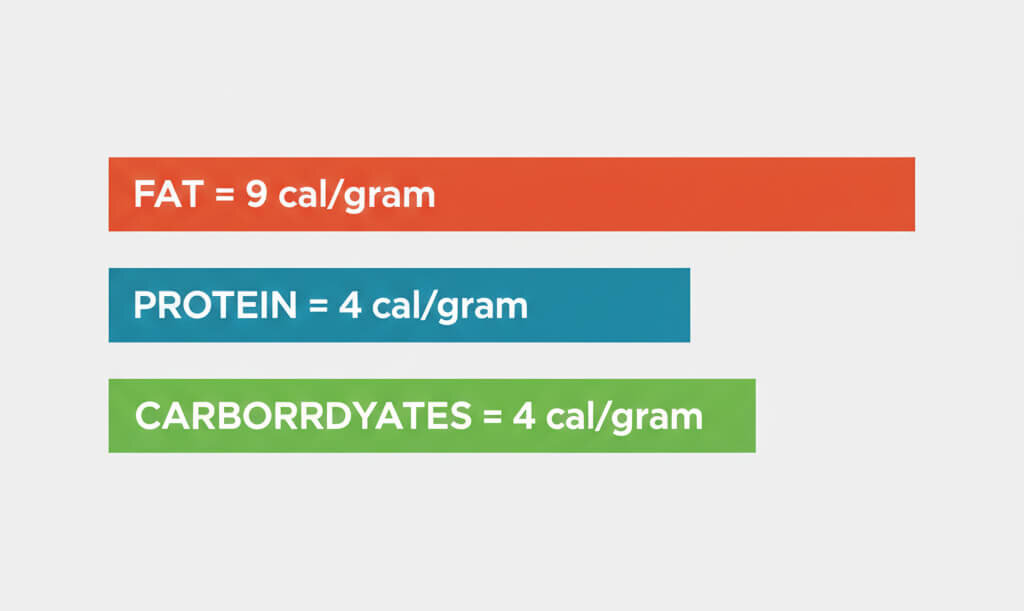
Fat provides more than double the calories per gram compared to protein or carbohydrates.
Which Healthy Foods Are the Most Calorie-Dense?
The following table compares the calorie content of foods commonly perceived as healthy with lower-calorie alternatives that provide greater satiety (fullness) per calorie.
| High-fat food (typical serving) | Calories | Lower-fat alternative | Calories |
|---|---|---|---|
| Olive oil, 3 tbsp (typical pour) | 360 | Cooking spray | 5–8 |
| Butter, 2 tbsp | 200 | Cooking spray + herbs | 5–10 |
| Ranch dressing, realistic pour | 250–300 | Mustard or lemon + 1 tsp oil | 5–45 |
| Almonds, ½ cup | 340 | Edamame, 1.5 cups shelled | ~190 |
| Bacon, 3 strips | 120–150 | Bresaola, 2 oz | ~85 |
| Salami, 2 oz | 220–250 | Lean turkey breast, 2 oz | ~60 |
| Cheddar cheese, 2 oz | 220 | Reduced-fat mozzarella, 2 oz | ~140 |
| Peanut butter, 2 tbsp | 190 | PB2 powdered, 2 tbsp | 60 |
| Granola, 1 cup | 400–500 | High-fiber cereal, 1 cup | 120–160 |
| Heavy cream in sauce, ¼ cup | 200 | Greek yogurt, 2 tbsp | 15–20 |
| Avocado, 1 whole | ~240 | ¼ avocado (measured) | ~60 |
| Coconut oil, 1 tbsp | 120 | Cooking spray | 5–8 |
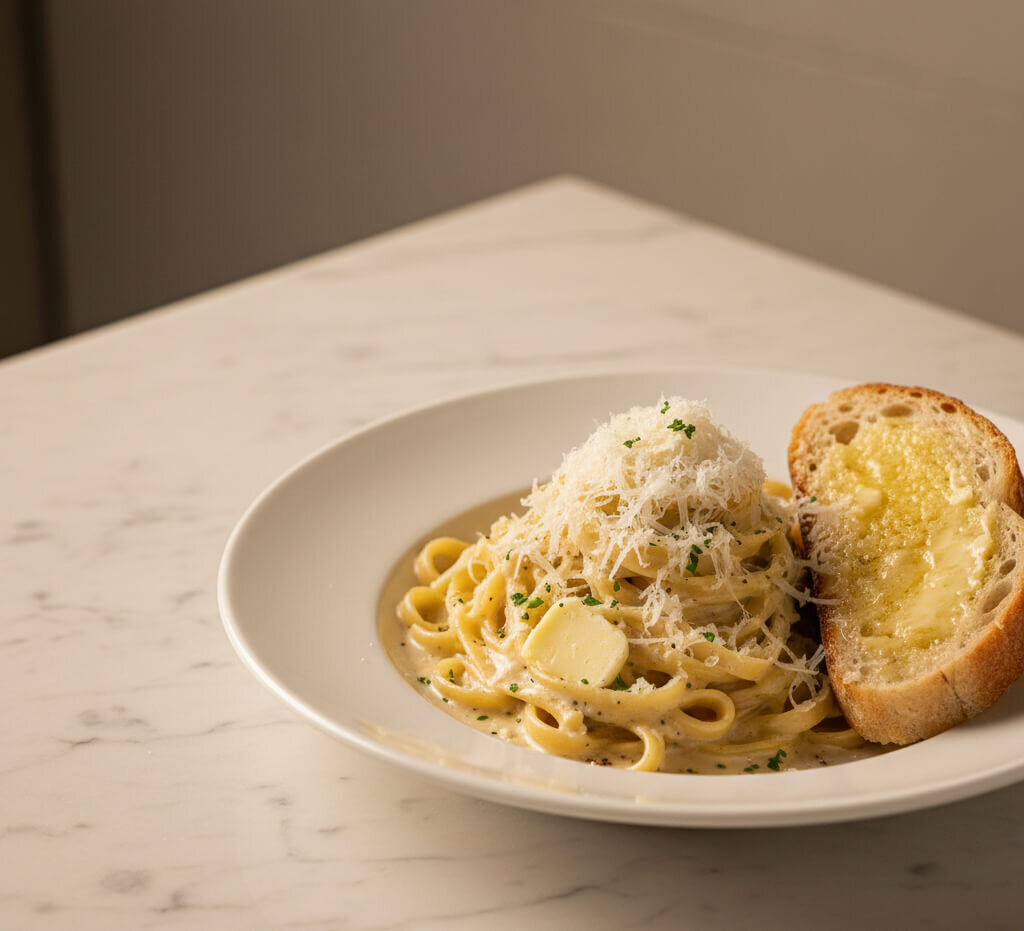
Same-size meal with added fats: ~900 cal
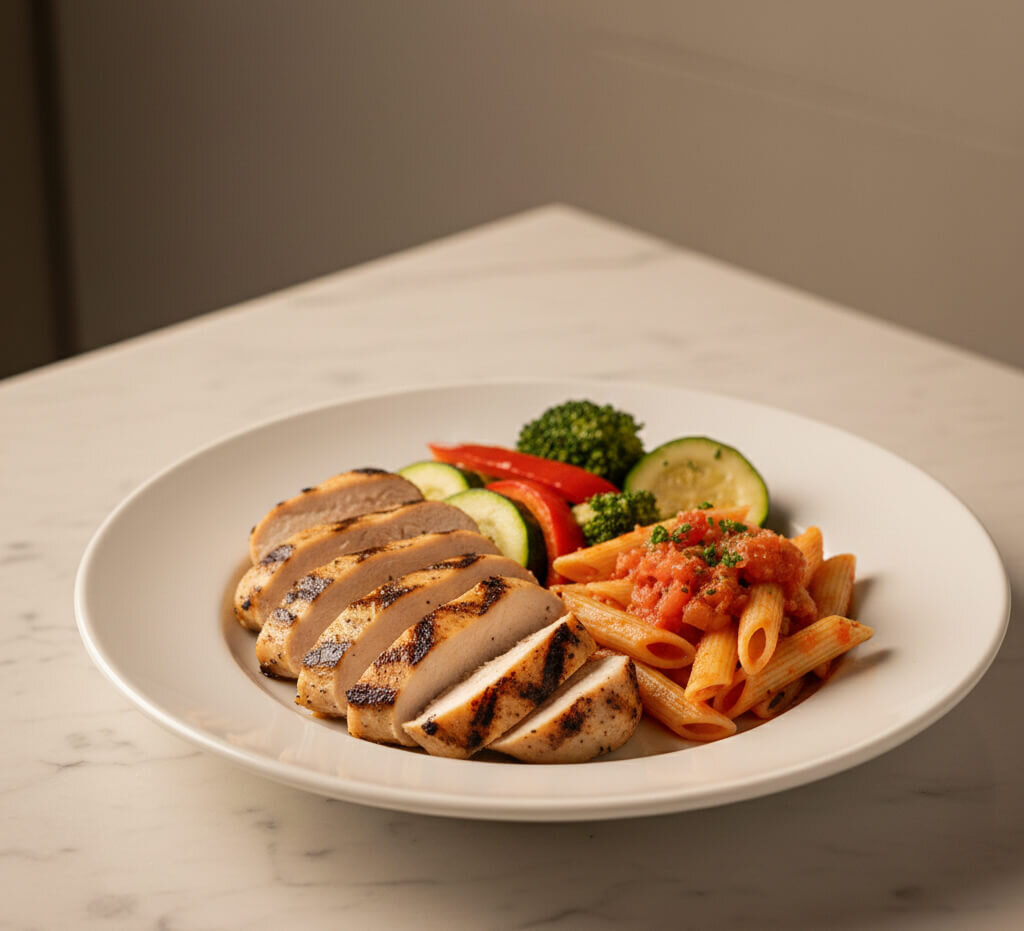
Same-size meal, lean swaps: ~450 cal
Calorie Density Versus Satiety: Why Fat Does Not Keep You Full
Calorie density refers to the number of calories per gram or per typical serving of a food. Satiety refers to how full and satisfied a food makes you feel relative to its calorie content. These two attributes do not always move together.
A food can be calorie-dense and low in satiety (like oil, butter, or nuts), or calorie-light and high in satiety (like lean chicken breast with vegetables). For weight loss, the most effective foods are those that provide high satiety per calorie.
The two nutrients that contribute most to satiety are protein and fiber. Protein sends direct satiety signals to the brain. Fiber slows digestion, extending feelings of fullness. Foods high in both — such as beans, lentils, chicken with vegetables, Greek yogurt with berries, or eggs with spinach — produce the highest fullness per calorie.
Fat, despite being calorie-dense, is relatively weak at signaling fullness. This is why a tablespoon of oil (120 calories) does not make you feel any more satisfied, while the same 120 calories from a chicken breast (roughly 3.5 ounces) provides noticeable satiety.
The Seven Most Common Hidden Fat Traps
1. Cooking oils used without measuring
A generous pour of oil when cooking adds 360–480 calories. Most people do not measure oil and significantly underestimate how much they use. USDA data shows added fats and oils are the second-largest calorie source in the American diet, behind grains. Oil does not contribute to fullness — these are invisible calories that do not register as food eaten.
2. Salad dressings and sauces
A well-dressed salad can contain 250–300 calories from dressing alone. Once you add croutons (fried in oil), candied nuts, and shredded cheese, a 150-calorie base of vegetables and protein becomes a 700-calorie meal. Most of those additional calories are fat.
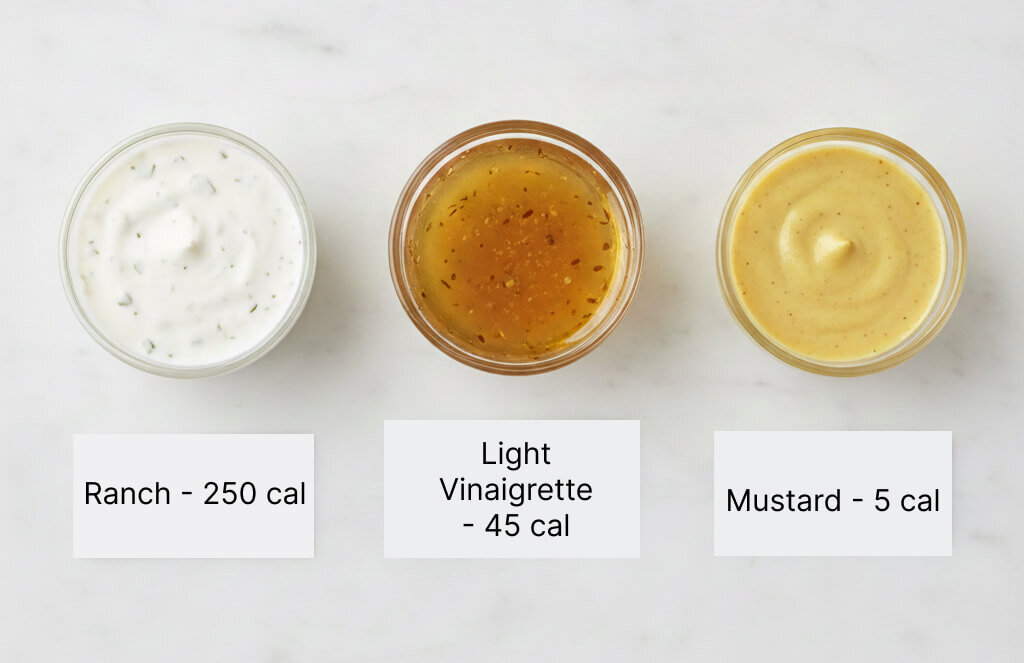
The same salad, three dressings, three very different calorie counts.
3. Butter and cream in cooking
Butter appears at every stage of cooking — spread on toast, melted in the pan, tossed with vegetables, stirred into sauces. Each tablespoon adds 100 calories. A quarter cup of heavy cream in a pasta sauce or soup adds 200 calories. These “finishing fats” make dishes richer but provide no additional fullness.
4. Fatty meats consumed as “protein”
Bacon, sausage, salami, pepperoni, and chorizo derive 50–70% of their calories from fat. Eating these as a protein source is inefficient — you are paying a high calorie price for relatively little protein. Lean alternatives like bresaola (151 calories per 100g, 32g protein, 2% fat), turkey breast, and chicken breast deliver dramatically more protein per calorie.
5. Nuts and nut butters eaten by habit
Nuts are easy to overeat because they are small, calorie-dense, and socially normalized as healthy snacks. The gap between a measured quarter-cup serving (170 calories) and what people actually eat from a bag (400–500 calories) is enormous. Nut butters have the same problem — two tablespoons is 190 calories, but most people exceed this without realizing.
6. Full-fat cheese added to everything
Cheese contributes more saturated fat to the American diet than any other single food. At 100–110 calories per ounce, cheese adds calories quickly when grated on pasta, melted on eggs, cubed as a snack, or layered in sandwiches. Most people use 2–3 ounces without thinking — that is 220–330 additional calories, primarily from fat.
7. Coffee drinks and specialty beverages
Lattes with whole milk, flavored coffees with cream, and blended drinks can add 150–400 calories per drink. When consumed daily, this represents 1,000–2,800 additional calories per week from beverages alone — almost entirely from fat and sugar.
How to Find Hidden Fat Calories in Your Own Diet
The most effective method is to log your meals for a few days — including all cooking oils, butter, sauces, dressings, cheese, nuts, and fatty meats. This does not need to be permanent. A short period of 3–7 days is usually enough to identify the two or three largest sources of unintended fat calories.
When logging, pay particular attention to three categories:
- Fats added during cooking: oil, butter, cream, ghee. Measure for a few days to learn what you actually use versus what you estimate.
- Fats added at the table: dressing, sauces, cheese, spreads, sour cream, mayonnaise. These are the easiest to swap or reduce.
- Fatty protein choices: bacon, sausage, salami, high-fat ground beef. Swapping to leaner options maintains protein while cutting fat calories significantly.
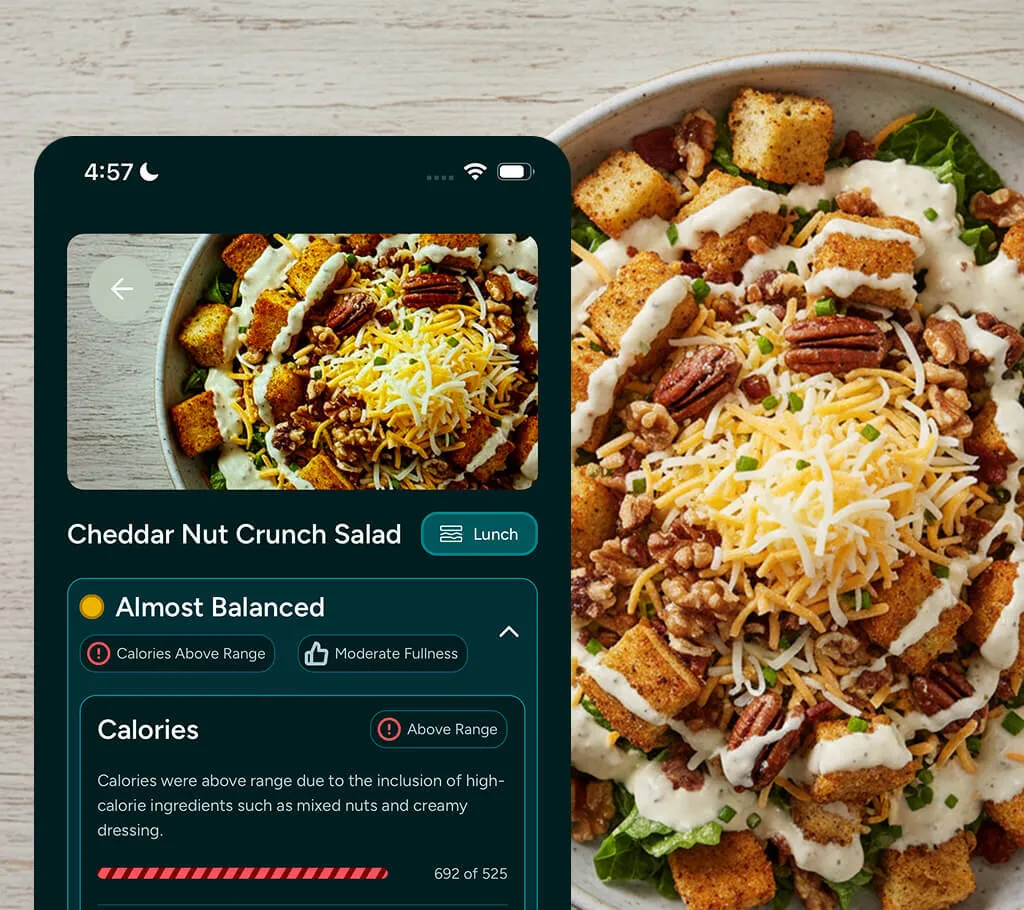
Most people discover they consume 500–1,000 more calories per day than they estimated — primarily from added fats.
Frequently Asked Questions
What are hidden calories?
Hidden calories are calories in foods or preparation methods that people tend to underestimate. The most significant hidden calories come from dietary fat, which contains 9 calories per gram — more than double protein or carbs. Common sources include cooking oils, butter, dressings, nuts, cheese, cream sauces, and fatty meats like bacon and salami.
Why do healthy foods have so many calories?
Many foods labeled “healthy” are high in fat, which contains 9 calories per gram. Olive oil, nuts, avocado, and nut butters are nutritionally valuable but extremely calorie-dense. Health and calorie density are separate attributes — a food can be nutritious and still make weight loss harder if consumed in typical unmeasured quantities.
Which healthy foods are the most calorie-dense?
The most calorie-dense “healthy” foods include olive oil and coconut oil (120 calories per tablespoon), nuts and nut butters (170–200 calories per small serving), avocado (240 calories per whole fruit), granola (400–500 calories per cup), dark chocolate (150–170 calories per ounce), and full-fat cheese (100–110 calories per ounce).
What is calorie density and why does it matter for weight loss?
Calorie density is the number of calories per gram or per serving of a food. High calorie-density foods (oils, nuts, cheese) pack many calories into a small volume, making them easy to overconsume. Low calorie-density foods (vegetables, lean protein, legumes) provide fewer calories per volume and keep you fuller for longer. For weight loss, choosing lower calorie-density foods allows satisfying portions within a calorie target.
Can I eat healthy fats and still lose weight?
Yes. Healthy fats are important for overall health. The issue is quantity, not the food itself. During weight loss, get healthy fats from foods you already eat (fish, eggs, small amounts of nuts) rather than adding large amounts of oil, butter, avocado, or nut butter to meals. Measuring fat portions is the single most impactful change most people can make.
How do I find hidden fat calories in my diet?
Log your meals for 3–7 days, paying attention to cooking oils, butter, dressings, cheese, nuts, and fatty meats. Most people discover they consume 500–1,000 more calories per day than estimated, primarily from fats. A short tracking period is usually enough to identify the largest sources.
Why is fat 9 calories per gram while protein and carbs are only 4?
Fat molecules contain more carbon-hydrogen bonds than protein or carbohydrate molecules. These bonds store energy, and when broken during metabolism, they release more energy per gram. This is a fundamental property of the macronutrient. Every gram of fat — whether from olive oil, butter, nuts, or cheese — provides 9 calories, compared to 4 for protein or carbohydrates.
For a practical, step-by-step guide to identifying and reducing hidden fat calories in your daily meals, see How to Cut Hidden Fat Calories From Your Meals. For structured support with portion awareness and meal feedback, Fitmate Coach uses AI-powered meal analysis and 1-on-1 coaching to help members spot hidden fats and build sustainable habits.
Related Resources
How to Cut Hidden Fat Calories From Meals
Practical swap-by-swap guide with calorie savings per swap
The Maximize Fullness Principle
The science behind prioritizing protein and fiber for satiety
What Is Online Weight Loss Coaching?
How coaching helps with the behavioral side of portion awareness
Weight Loss Without Calorie Tracking
How to manage calories without daily logging
Ready to Learn More?
Discover how to make food choices that keep you full and support your weight loss goals.
On a GLP-1 medication?
We have specialized nutrition guides for Ozempic, Wegovy & Mounjaro
Our GLP-1 guides are backed by data from 3,000+ tracked meals — covering protein targets, muscle preservation, meal timing, and more.