A practical, swap-by-swap guide to finding and removing the hidden fat calories that silently add 500–1,000+ calories per day.
This guide is based on patterns observed across more than 50,000 daily food logs analyzed through the Fitmate Method. About 65% of new FitMate members consume more high-fat foods than they realize. The swaps below target the most common sources of unnecessary fat calories, ranked by how frequently they appear in member food logs.
How FitMate helps: When you log a meal in FitMate, the AI estimates your calories, protein, and fiber. If a meal comes back higher than expected, it is usually because of hidden fats — oil in cooking, dressing on the salad, or a fatty protein choice. Your coach can then help you identify the specific swap. Most members discover their biggest hidden fat sources within the first week.
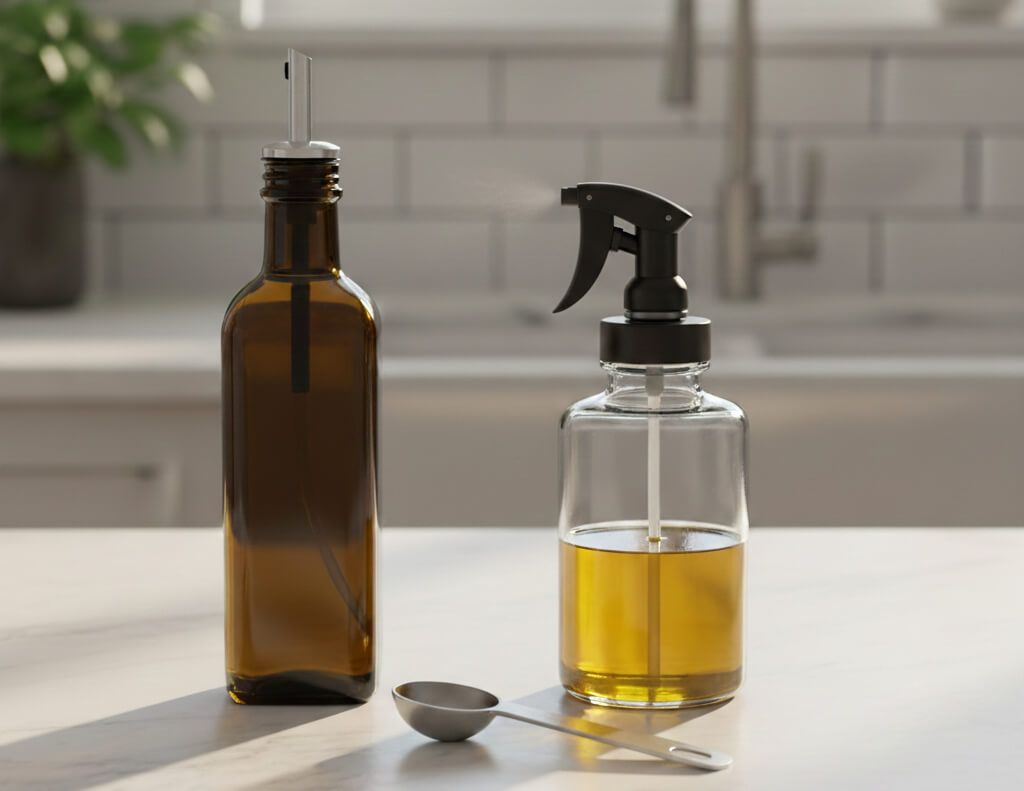
1. Cooking Oils: The Biggest Hidden Fat Source
Cooking oil is the single most underestimated calorie source in home cooking. One tablespoon of any cooking oil — olive, avocado, coconut, vegetable — contains approximately 120 calories, almost entirely from fat. A generous pour, which is how most people use oil, easily adds 3 to 4 tablespoons per cooking session, totaling 360 to 480 calories before any food has been added to the pan.
For context, 400 calories from a pour of oil is roughly equivalent to the calories burned during an hour of brisk walking. USDA data shows that added fats and oils are the second-largest source of calories in the American diet, right behind grains.
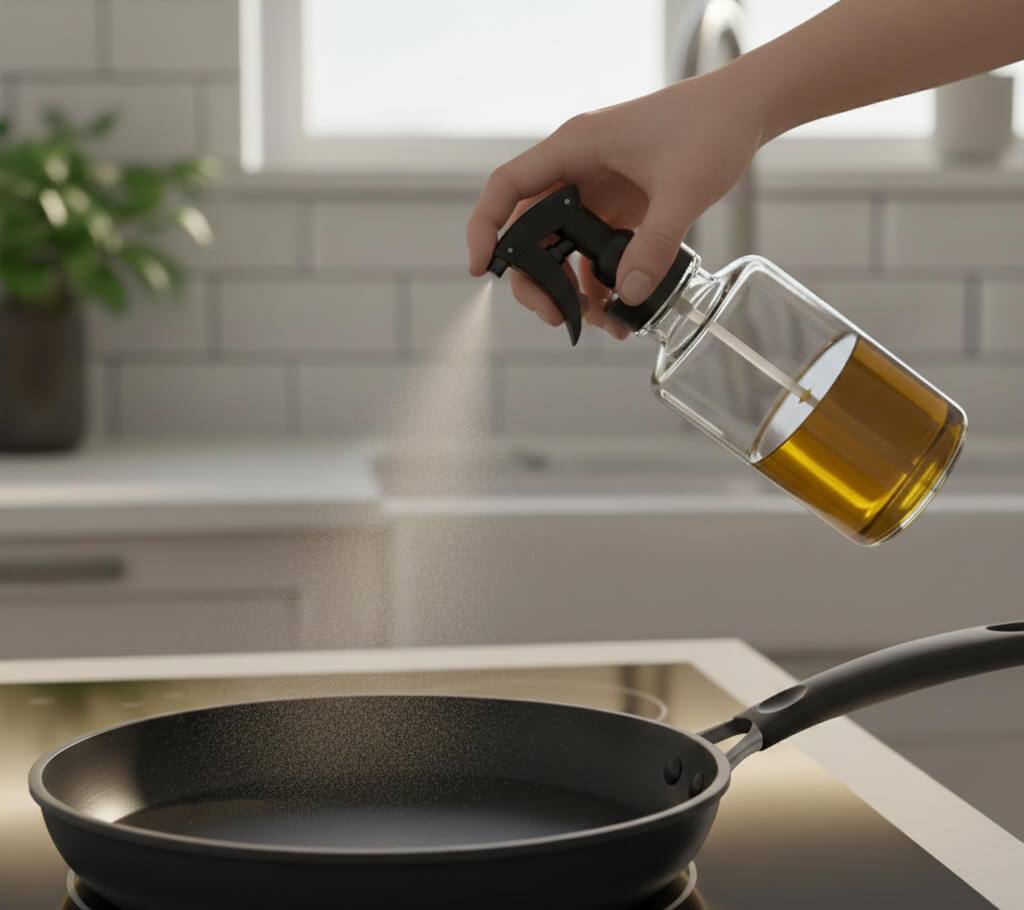
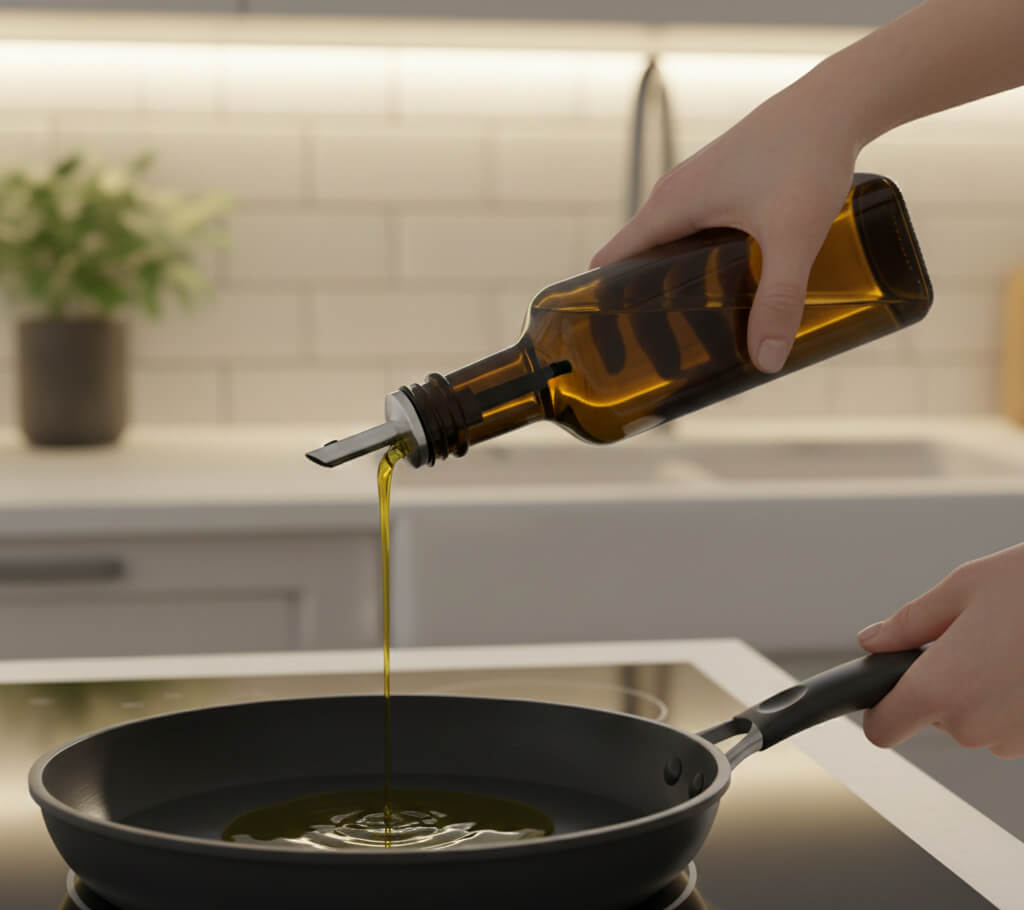
You will still get healthy fats from foods like fish, eggs, and small amounts of nuts. The goal is not to eliminate fat — it is to stop adding pure fat when spray or other methods achieve the same cooking result.
2. Dressings and Sauces: Where Salads Go Wrong
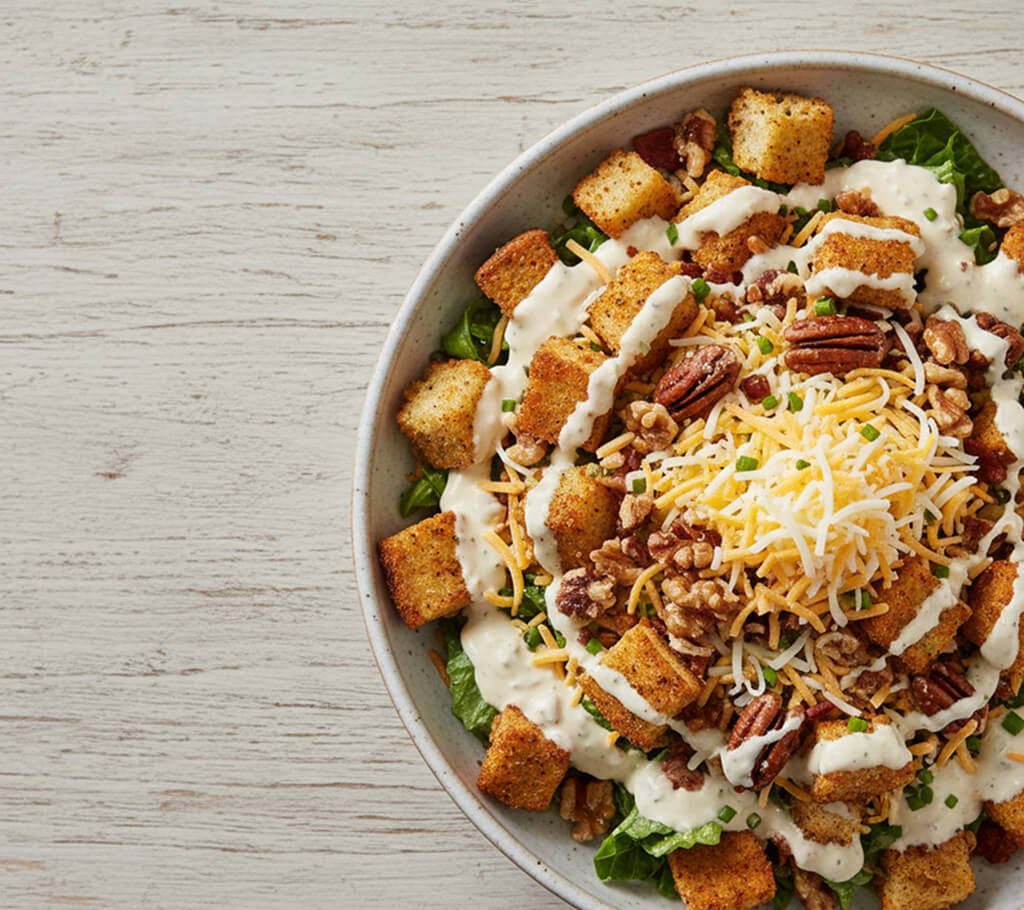
Salad dressings are one of the most common reasons a “healthy” meal ends up being calorie-dense. Two tablespoons of ranch dressing contain about 130 calories — and most people use significantly more than two tablespoons. Realistic pours are typically 250–300 calories. Caesar, blue cheese, and creamy vinaigrettes have similar profiles.
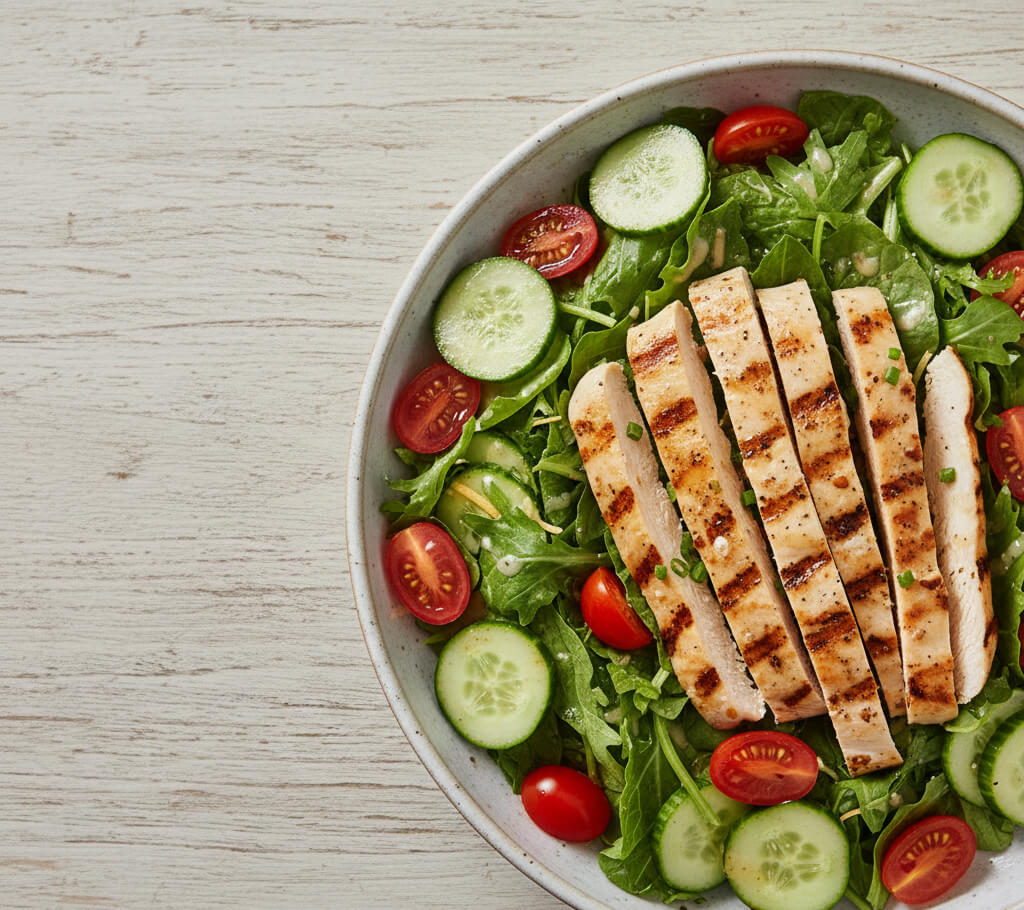
A salad with grilled chicken and vegetables can go from a 350-calorie meal to a 700-calorie meal based solely on the dressing, croutons, candied nuts, and shredded cheese piled on top.
3. Fatty Meats: The Protein That Costs Too Many Calories
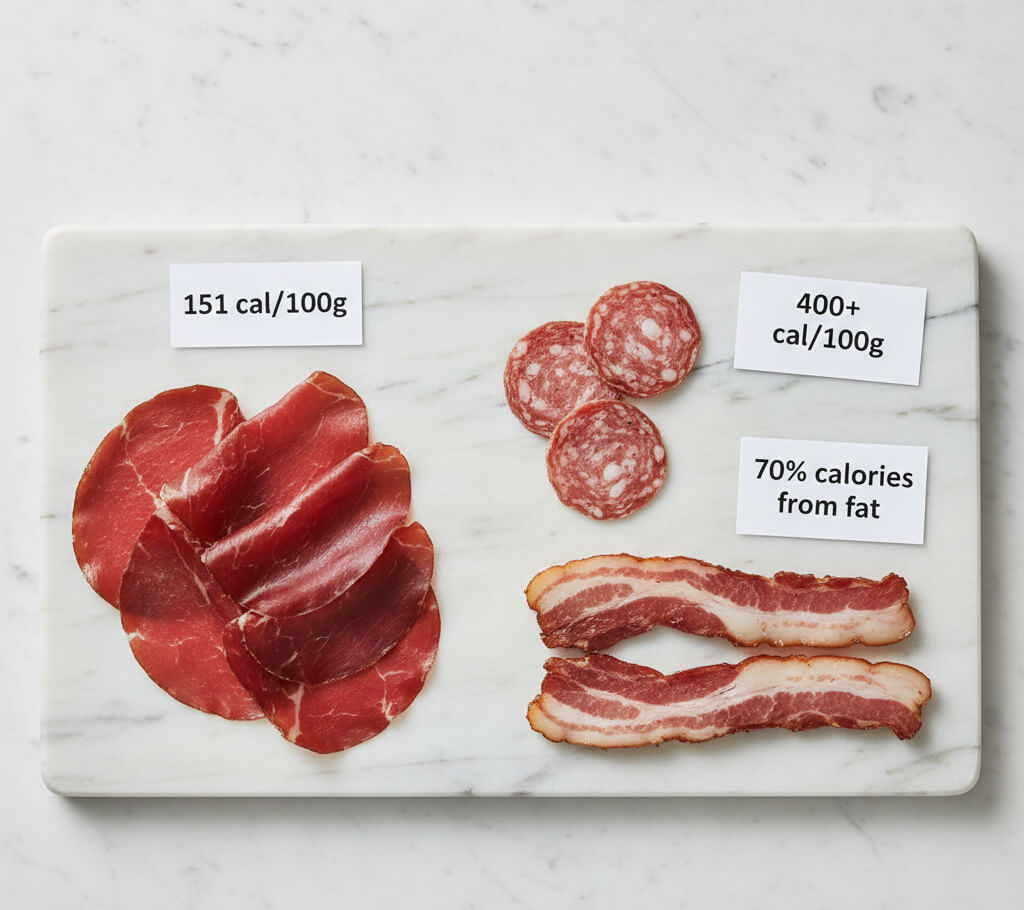
Not all protein is equal when it comes to fat calories. Bacon, sausage, salami, and pepperoni derive 50–70% of their calories from fat. You think you are eating protein, but you are mostly eating fat.
4. Butter, Cream, and Finishing Fats
Butter is 100 calories per tablespoon and appears at every stage of cooking: spread on toast, melted in the pan, tossed with vegetables, stirred into sauces. A quarter cup of heavy cream in a pasta sauce or soup adds 200 calories. These “finishing fats” do not contribute to fullness — they are invisible calories.
5. Cheese: The Silent Calorie Adder
Most cheeses contain approximately 100–110 calories per ounce, and nobody uses just one ounce. Shredded cheese on eggs, grated parmesan on pasta, cheddar cubes as a snack — these add 150–300 calories to meals without adding meaningful fullness.
6. Nuts and Nut Butters: Healthy but Calorie-Dense
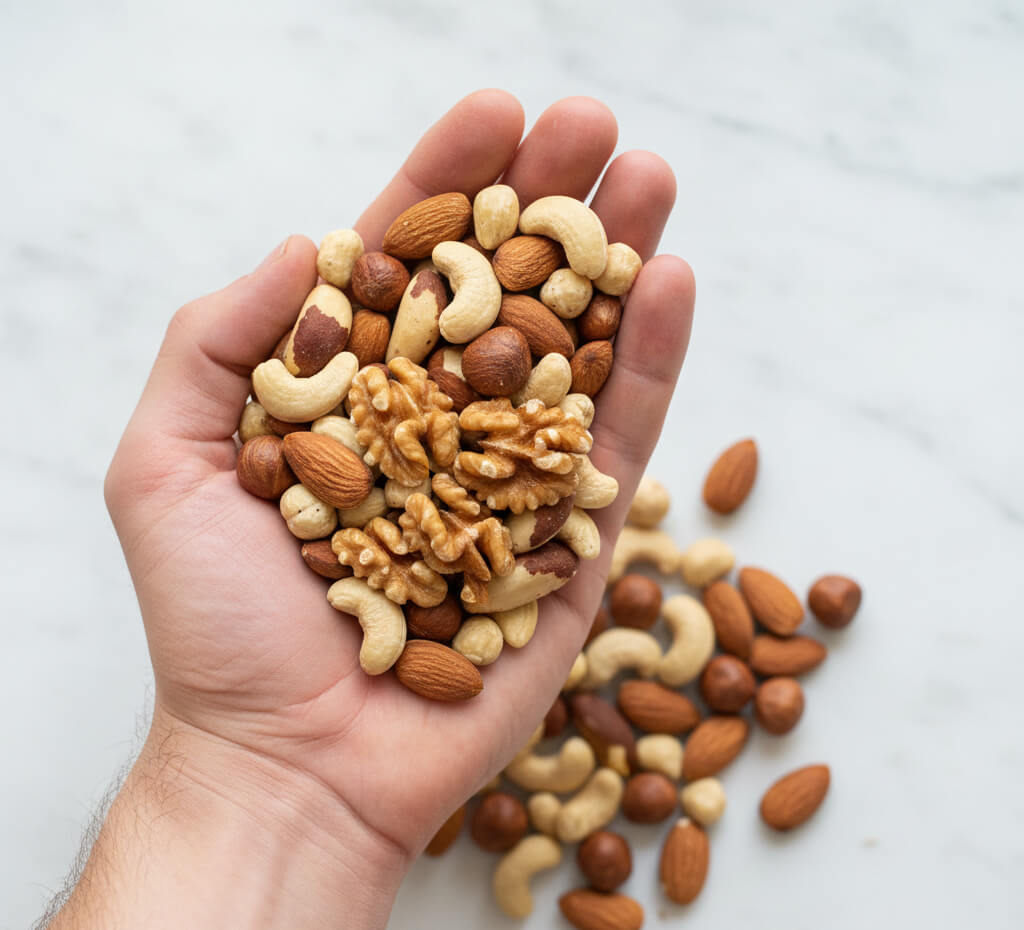
Nuts are nutritious, but they are one of the most calorie-dense foods commonly eaten as snacks. A quarter cup of almonds is about 170 calories. Two handfuls from a bag can easily total 400–500 calories — and nuts do not keep you full relative to that cost.
7. Set Up Your Kitchen to Make Lean Choices Automatic
Your food environment has a stronger influence on what you eat than willpower does. The foods that are most visible and accessible are the ones you reach for first.
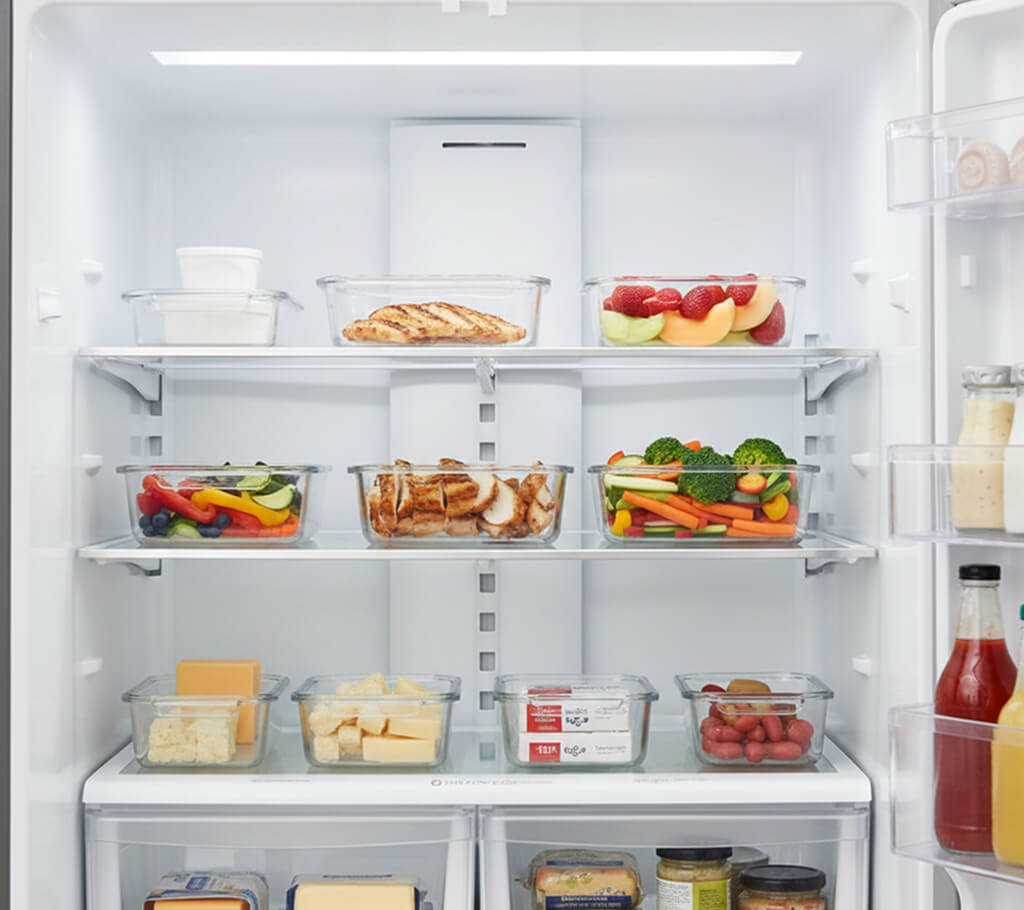
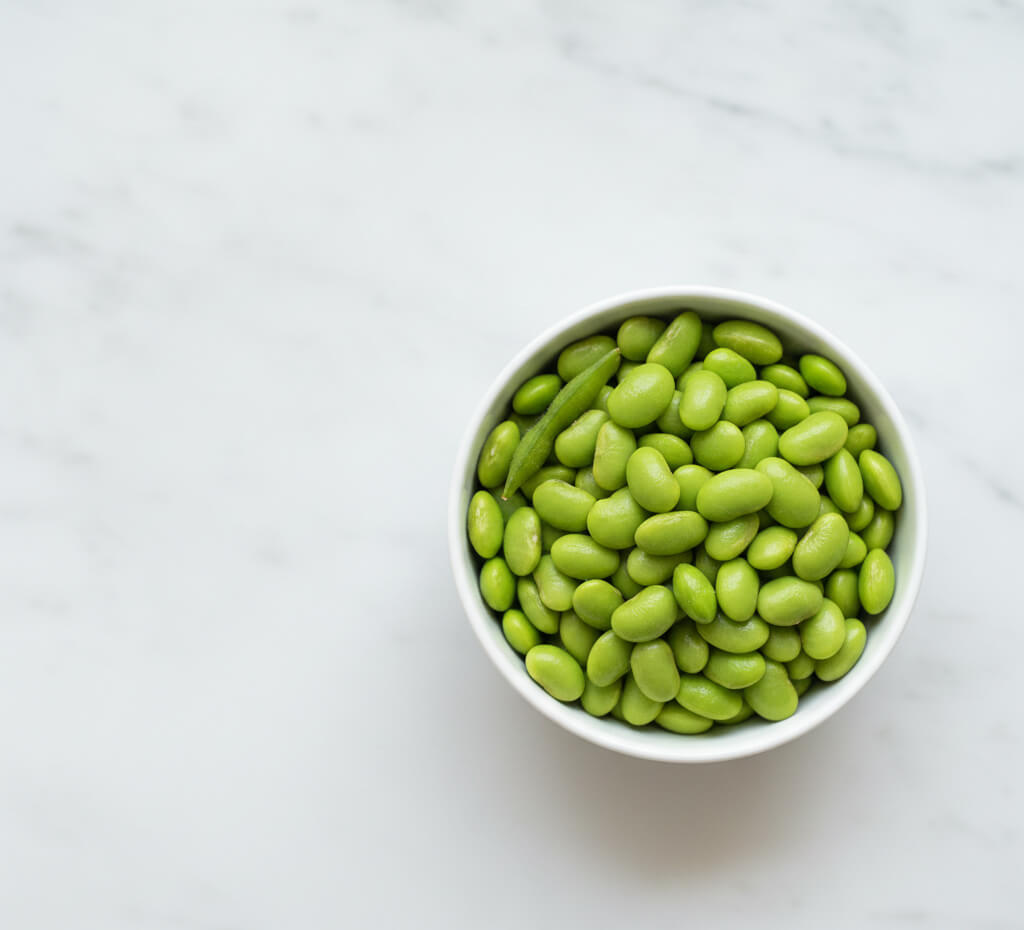
Place protein-rich snacks — edamame, jerky, Greek yogurt, hard-boiled eggs, bresaola — at eye level in your fridge and pantry. Keep pre-cut fruit and vegetables in clear containers at the front. Move calorie-dense fatty foods (chips, full-fat cheese, nuts, cookies) out of sight or out of the house entirely. If you enjoy planned treats, keep portion-controlled options available so you satisfy the craving without opening a full container.
FitMate tip: Many FitMate members photograph their fridge and pantry setup and share it with their coach. This gives your coach visibility into your food environment and lets them suggest specific changes tailored to your habits. Small environmental shifts often produce bigger results than dietary willpower.
Learn more about the Maximize Fullness principle
What One Day of Cutting Hidden Fats Looks Like
Applying these swaps across a single day adds up to significant calorie savings without eating less food or feeling hungry:
- Breakfast: Cooking spray instead of butter, bresaola instead of bacon. Save 200–300 calories.
- Lunch: Mustard or lemon instead of creamy dressing, skip the calorie-dense toppings. Save 200–300 calories.
- Dinner: Spray instead of poured oil, herbs instead of butter, marinara instead of cream sauce. Save 200–400 calories.
- Snacks: Lean meats instead of salami, reduced-fat cheese, portioned nuts or edamame. Save 200–400 calories.
Frequently Asked Questions
What are the most common sources of hidden fat calories in meals?
Based on analysis of over 50,000 FitMate food logs, the most common sources are cooking oils used without measuring (300–480 calories per session), salad dressings and sauces (130–300 calories per realistic serving), fatty meats like bacon and salami (150–250 calories per serving, mostly from fat), butter in cooking and as a spread (100 calories per tablespoon), full-fat cheese (110 calories per ounce), and nuts eaten without portioning (400–500 calories per two handfuls). About 65% of new FitMate members consume more of these foods than they realize.
How can I reduce fat calories without feeling hungry?
Replace high-fat, low-satiety foods with high-protein, high-fiber alternatives. Fat provides 9 calories per gram but does not signal fullness as effectively as protein or fiber. Swap cooking oil for spray, replace bacon or salami with bresaola or lean turkey, use mustard instead of creamy dressing, and choose edamame over nuts. These swaps reduce calories while maintaining or increasing satiety. This is the core principle behind the Fitmate Method.
Is olive oil bad for weight loss?
Olive oil is not unhealthy — it has genuine nutritional benefits. However, during weight loss it is extremely calorie-dense (120 calories per tablespoon) and provides very little satiety relative to those calories. Most people significantly underestimate how much they use. Switching from poured oil to cooking spray saves 300–400 calories per cooking session without changing the taste of the food.
How does FitMate help members identify hidden fat calories?
FitMate Coach uses AI-powered meal analysis to estimate calories, protein, and fiber from meal photos and descriptions. When a meal comes back higher than expected, it is usually because of hidden fats. Your coach then helps you identify the specific swap. Most members discover their biggest hidden fat sources within the first week of logging. Learn more about FitMate Coach
What is bresaola and why is it good for weight loss?
Bresaola is an Italian air-dried beef made from a lean cut with virtually all fat removed before curing. It contains approximately 151 calories per 100 grams, 32 grams of protein, and only 2% fat. By comparison, salami contains 400–450 calories per 100 grams and bacon derives about 70% of its calories from fat. Bresaola provides a flavorful, satisfying cured meat option with a far superior protein-to-calorie ratio.
Related Pages
- The Fitmate Method: Maximize Fullness
- Hidden Calories in Healthy Foods
- How to Hit Your Protein Targets
- Weight Loss for Busy Professionals
- Weight Loss Without Calorie Tracking
On a GLP-1 medication?
We have in-depth GLP-1 nutrition guides
Protein targets, meal timing, side effect management, and more — all backed by data from 3,000+ tracked meals.